







A container can trap heat, moisture, and stale air fast. That can lead to discomfort, rust risk, mold, and poor indoor conditions. The solution is simple: use the right ventilation strategy to keep fresh air moving and moisture under control inside your container space.
To ventilate a shipping container, you need a system that lets fresh air enter and hot or moist air leave. The best setup depends on how the shipping container will be used, the local climate, and whether you need passive vents, fans, insulation, or a full ventilation system for long-term comfort.

Outline
Why does a shipping container need ventilation?
What happens without proper ventilation?
What are the main ways to ventilate a shipping container?
Are passive vent systems enough?
When should you use fans or active vents?
How do you ventilate a shipping container home in hot climates?
How do insulation and ventilation work together?
Where should vents be placed in a container?
What ventilation setup is best for storage vs living use?
What should buyers check before choosing a ventilation solution?
Why Does a Shipping Container Need Ventilation?
A shipping container is built from steel, and steel reacts quickly to outdoor conditions. It can heat up under the sun, cool down fast at night, and trap moisture inside the container. That is why ventilation matters. Without air movement, the air inside can become damp, hot, and uncomfortable.
When a container is used as a shipping container home, office, workshop, or room for equipment, the problem gets worse. People, appliances, showers, cooking, and even daily breathing create more humidity. If that moisture cannot escape, it can damage finishes and reduce comfort.
Good shipping container ventilation helps control temperature, improves air quality, and protects both the structure and the people using it. It is one of the most important design details in any container conversion.
What Happens Without Proper Ventilation?
A container without proper ventilation can quickly develop serious comfort and maintenance problems. The first issue is usually condensation. Warm moist air touches cool steel, water forms on surfaces, and then that moisture sits on walls, ceilings, and corners.
The next issue is poor ventilation. When fresh air cannot move through the unit, you get stale air, rising heat, and sometimes odor buildup. In some cases, a stored chemical or machine can also release a fume that needs to be removed safely.
A clear lack of ventilation can also affect long-term performance. It may lead to rust, mold, damp insulation, and a less healthy indoor environment. So if you want to ensure your container stays usable and comfortable, airflow cannot be an afterthought.
Common risks from poor airflow
- Heat buildup
- Mold growth
- Rust and moisture damage
- Bad smell
- Lower comfort
- Reduced material life

What Are the Main Ways to Ventilate a Shipping Container?
There are several ways to ventilate a shipping unit, and the best choice depends on the use case. In simple terms, you can choose passive airflow, powered airflow, or a combined system.
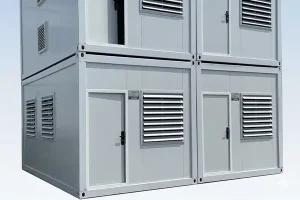
The first method is passive ventilation. This uses fixed openings such as a passive vent, side louvers, or roof-based airflow devices. These help outside air move through the unit naturally. They are simple and low-cost, especially for containers used for storage.
The second method is active airflow. This may include an exhaust fan, extractor fan, or other ventilation fans that move air in or out mechanically. These systems are better when the container will be used for living, office work, equipment rooms, or in hot and humid weather.
Main ventilation choices
| Ventilation option | Best for | Main benefit |
|---|---|---|
| Passive vents | Basic storage | Low cost, simple |
| Louvered vents | General airflow | Easy air movement |
| Roof turbine vents | Hot climates | Natural heat exhaust |
| Exhaust fans | Living and work use | Stronger air removal |
| Full HVAC/ERV system | Long-term occupancy | Comfort and control |
Are Passive Vent Systems Enough?
Sometimes yes, but not always. A passive vent works well when the shipping container is used for light-duty storage, short-term use, or mild weather. It allows outside air to move through the unit without power.
A common setup uses small vents or louvered openings placed at different heights so air can enter and exit. These vents allow natural airflow, especially when wind direction helps. In some cases, turbine vents or whirlybirds on the roof can improve air movement by using wind to pull warm air out.
Still, passive systems have limits. If you are trying to ventilate your shipping container in a humid or heavily occupied setting, passive airflow may not be enough. For a home, office, or workshop, you often need a stronger ventilation solution.
When Should You Use Fans or Active Vents?
You should consider active vents when natural airflow is weak or when indoor moisture and heat are high. A powered exhaust vent or exhaust fan can remove warm, moist air much faster than passive openings alone.
This matters in kitchens, bathrooms, utility rooms, and occupied living areas. If the unit is a home, office, or work pod, people generate moisture all day. In that case, powered extraction can help circulate air and keep the room safer and more comfortable.
An active system is also useful when the container holds equipment, chemicals, batteries, or machines. Some of these uses may need specialized ventilation for heat or fume control. The more demanding the use, the more likely you need fans rather than simple static vents.
How Do You Ventilate a Shipping Container Home in Hot Climates?
In hot or humid climates, a container can heat up quickly because steel tends to absorb heat. The goal is to reduce heat gain and push hot air out before it builds up. That means combining airflow with heat control.
A smart method is to place intake vents lower in the structure and an exhaust opening higher up. This helps cooler air enter while warm air rises and leaves. A roof turbine can also help remove trapped heat. In strong sun, shading and reflective finishes improve performance too.
For a shipping container home, active airflow is often the best ventilation choice in hot regions. A fan-assisted setup or hvac system can help keep the container cool, improve comfort, and reduce heat buildup during long summer periods.
Good hot-climate strategies
- Shade the roof and walls
- Use intake and exhaust balance
- Add roof turbine vents
- Use mechanical fans
- Reduce solar heat gain
- Control indoor moisture
How Do Insulation and Ventilation Work Together?
Many people think airflow alone solves everything, but that is not true. To insulate well and manage comfort, you need ventilation and thermal control working together. One handles air movement. The other reduces heat transfer.
Good insulation helps stop the steel shell from driving major temperature swings. This can reduce condensation risk and make the indoor environment easier to control. Options such as spray foam insulation are common because they seal well and help control heat gain and loss.
In cold climates, insulation is especially important because it helps keep the unit warm in the winter. In hot regions, it reduces heat gain. But even with insulation, you still need airflow. A well-insulated container with no air exchange can still have bad moisture problems.
Where Should Vents Be Placed in a Container?
Placement matters a lot. A good rule is simple: place low openings where fresh air can enter, and high openings where warm air can leave. That allows air to enter and exit more naturally.
For example, a container vent can be placed higher on one side while lower vents bring air in from the opposite side. This supports natural movement across the interior. In some setups, adding vents in the container wall works well. In others, roof-based exhaust is better.
The final layout depends on use. A 40ft container may need more than one airflow point because it is longer. 20ft containers may need a simpler layout. If the container has divided rooms, each zone may need separate airflow planning.
Practical placement ideas
- Lower sidewall intake openings
- High-side or roof exhaust points
- Cross-ventilation across the room
- Extra vent near wet areas
- Separate airflow for toilets or utility areas
What Ventilation Setup Is Best for Storage vs Living Use?
A container used for storage does not need the same setup as a living unit. For long-term storage, the goal is usually to reduce trapped moisture and protect the container and its contents. In that case, passive or louvered vents may be enough.
A container home or office is different. People create heat and moisture, so the system has to manage comfort as well as structure. That usually means a better ventilation system, stronger air exchange, and maybe cooling or heating support.
If the unit is a tiny house, office, or room with cooking and bathing, you may need an erv or full hvac setup. That is especially true when the outdoor temperature changes a lot or when the local climate is damp.
| Container use | Best setup |
|---|---|
| Basic storage | Passive or louvered vents |
| Equipment room | Fan + exhaust control |
| Office | Active fan + insulation |
| Home or cabin | Balanced airflow + HVAC/ERV |
| Wet room area | Dedicated extractor fan |
What Should Buyers Check Before Choosing a Ventilation Solution?
Start with purpose. Ask how the container will be used. Is it for storage, living, work, or equipment? The answer changes everything. A simple storage unit may need only minimal airflow, while a home needs adequate airflow plus temperature control.
Then look at local climate. In certain climates, you can rely more on natural airflow. In cold climates or humid coastal areas, you may need stronger moisture control and better insulation. This is also where the size and interior layout matter.
Finally, check whether the structure already has vents installed or if you need to install vents later. Some containers come with basic openings, but many converted units need a custom plan based on use. The right system should be efficient, practical, and matched to the real project.
Case Example: A Better Ventilation Plan for a Container Home
Imagine one buyer converts a container into a small home office and sleeping unit. At first, the design uses only one static side vent. The result is heat buildup during the day and moisture on the steel surfaces at night.
The improved design adds low intake vents, one roof exhaust point, insulation, and a fan near the wet area. Now the unit has better air movement, lower moisture risk, and more stable interior comfort.
This is why proper ventilation should be planned from the start. A small change in vent design can make a major difference in comfort and long-term performance.
FAQs
How do you ventilate a shipping container?
To ventilate a shipping container, you need a way for fresh air to enter and warm or moist air to leave. That can be done with passive vents, fans, roof exhaust, or a full mechanical system depending on the use.
Are vents in a shipping container enough for a home?
Not always. Vents in a shipping container may be enough for basic storage, but a home usually needs more air control, especially in wet, hot, or highly occupied spaces.
What is the best ventilation for a shipping container home?
The best ventilation usually combines insulation, intake and exhaust airflow, and mechanical support such as an exhaust fan or HVAC/ERV system when needed.
Can I use passive ventilation only?
Yes, for some storage uses or mild conditions. But for living spaces, passive airflow alone may not control heat, moisture, and comfort well enough.
Do I need insulation and ventilation together?
Yes. Insulation helps control temperature. Ventilation controls moisture and stale air. Both are important in a container conversion.
Why does condensation happen inside the container?
Condensation happens when warm moist air touches cool steel. The water then forms on metal surfaces. Better insulation and airflow help reduce this problem.
Key Takeaways
A shipping container needs airflow to manage heat, moisture, and comfort.
Good ventilation protects both the structure and the people using it.
Passive vents can work for storage, but homes usually need more.
Fans, roof exhaust, and balanced airflow are stronger options for occupied units.
In humid or hot regions, airflow and heat control must work together.
To ventilate well, you should combine vent placement, insulation, and use-specific planning.
A living unit needs a better ventilation system than a basic storage unit.
The right design depends on size, use, and local climate.
Plan airflow early, not after moisture problems appear.
A better vent strategy helps keep the container safer, drier, and more comfortable.