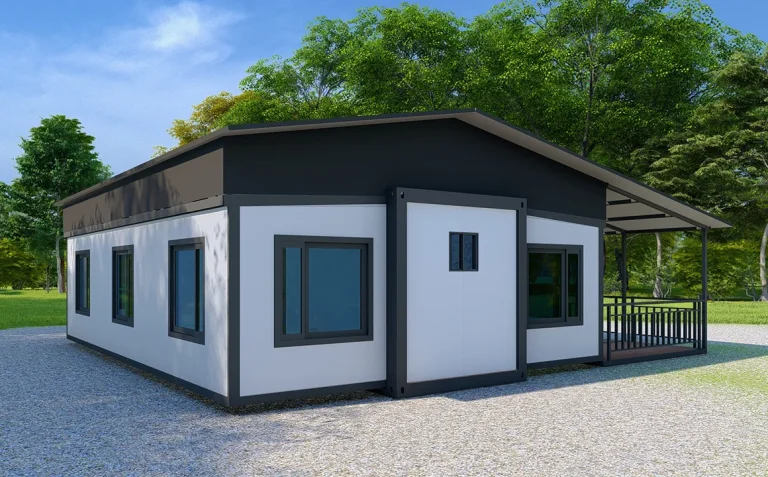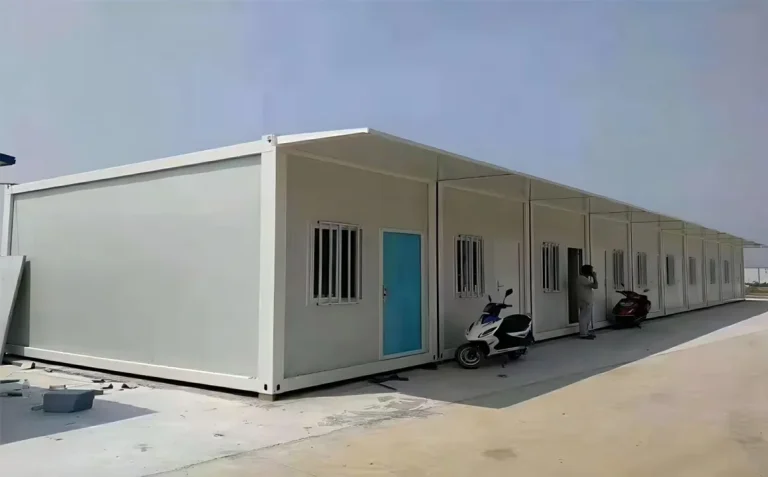








Traditional building can take too long, cost too much, and create too many delays. That is a real problem when buyers need fast housing, mobile project units, or flexible living space. An expandable container house solves this by giving you quicker delivery, easier setup, and practical usable room in one compact system.
An expandable container house is a fold-out modular house that ships in a compact form and opens on site to create more interior space. It is a practical container home option for project housing, temporary living, camps, public-use buildings, and other buyers who need fast, portable, and cost-effective building solutions.
Outline
What is an expandable container house?
Why are expandable container houses becoming more popular?
How does an expandable container home work?
Should you choose a 20ft or 40ft expandable container house?
What can the interior layout include?
Are expandable container houses suitable for residential and project use?
What materials and structure make the house durable?
How do shipping, delivery, and installation affect buyer decisions?
Can you customize the design and configuration?
What should buyers check before choosing expandable homes for sale?
What Is an Expandable Container House?
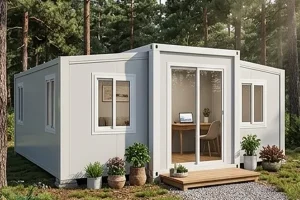
An expandable container is a fold-out modular house built to save shipping volume while creating more usable living area after deployment. In transport mode, it stays compact. On site, it opens to form a larger and more practical interior. This makes it a smart choice for buyers who want both mobility and usable room.
A modern Expandable Container House combines transport efficiency with real function. It is not just a box. It is a practical container home with room for sleeping, washing, storage, and daily use. It works well in camps, temporary housing, relief applications, and many project-based environments. Your site highlights this product as a deployable, foldable solution designed for fast temporary buildings and lower shipping cost.
For global B2B buyers, the biggest value is simple: faster procurement, faster site readiness, and easier relocation later. That is why more contractors, distributors, and public-sector buyers are looking at container houses instead of waiting for slower conventional construction.
Why Are Expandable Container Houses Becoming More Popular?
The biggest reason is efficiency. Buyers want a house that is easier to transport, quicker to deploy, and more practical to use. A fold-out structure gives that balance. It keeps shipping compact but opens into more comfortable living or working space on site.。
Another reason is versatility. These units can serve as a container home, site accommodation, emergency shelter, clinic support room, or temporary public-use module. That makes them useful across very different industries. The same product logic can support mining camps, municipal projects, disaster response, and workforce housing.
They are also appealing because they are cost-effective. A compact transport form can reduce freight expense while still providing spacious living after setup. Your homepage states that each 20ft shipping unit can accommodate three sets of foldable integrated houses, which directly supports lower logistics cost and better delivery efficiency.
Why buyers like this product
- Compact transport
- Faster delivery
- More usable interior space
- Strong fit for project housing
- Better logistics than many fixed-build solutions
- Practical option for expandable homes
How Does an Expandable Container Home Work?
An expandable container home uses a folding or sliding structure that opens after transport. The main body stays compact during shipment. Once it reaches the destination, the side sections extend outward to transform the unit into a larger living or working area.
This approach is useful because it combines portable transport with a more practical final footprint. The unit can include a living room, bedroom, toilet, and utility areas depending on the final configuration. That gives the buyer more value than a simple closed box.
Your site describes the system as a foldable expansion box connected through guide rails and folding rods, designed for efficient on-site deployment while keeping transportation compact. That matches the core reason buyers choose this type of modular housing product.
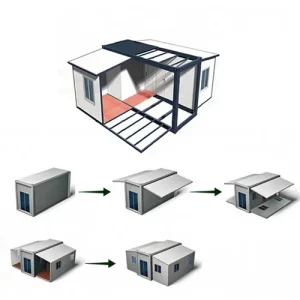
Expandable Container House
Should You Choose a 20ft or 40ft Expandable Container House?
This depends on your use case. A 20ft expandable container house is a good choice when the buyer wants a more compact, lower-volume unit for small teams, temporary living, guard functions, or limited-site use. It is easier to move and often better for projects with tighter budgets or smaller site footprints.
A 40ft expandable container house gives more flexibility. It supports larger family use, bigger teams, wider room separation, and more complete interior planning. Buyers looking for a 2 bedroom arrangement or larger shared living zone often prefer the 40ft option. A 40ft format can also create a more spacious feel for longer stays.
Both sizes can work well. The key question is not only dimension. It is purpose. Ask how many people will use the unit, how long they will stay, and whether the unit is for residential, office, site camp, or mixed use.
| Size | Best For | Typical Advantage |
|---|---|---|
| 20ft | Small projects, temporary use, compact sites | Lower transport volume |
| 40ft | Family use, team living, longer stays | More practical interior room |
| 20 ft fold-out unit | Entry-level modular use | Easier movement |
| 40ft container expansion model | Larger living layouts | Better room division |
What Can the Interior Layout Include?
A good design turns a standard shell into a useful house. Depending on project purpose, the interior can include a living room, one or more bedroom spaces, a toilet, a small kitchen area, and storage points. That is why interior planning matters as much as structure.
Some buyers want a simple one-room unit. Others want a 2 bedroom or even 3 bedroom arrangement. A family-style modular home may need a separated sleeping zone, sitting area, and washroom. A camp-style unit may focus on sleeping plus utility. The best layout depends on the end use.
A well-planned interior should feel clear and functional, not crowded. The goal is to create flexible space that supports real daily use. That is one reason many buyers now compare expandable homes with fixed small buildings and even tiny house alternatives.
Common interior options
- 1 bedroom plus living area
- 2 bedroom family-style unit
- 3 bedroom shared-use layout
- Small kitchen zone
- Toilet and shower
- Storage cabinet area
- Utility wall for electricity access
- Optional heater and cooling system
Are Expandable Container Houses Suitable for Residential and Project Use?
Yes. These units can support both project-based and longer-duration uses. In project environments, they work well as worker housing, supervisor quarters, temporary clinics, site accommodation, and camp support buildings. In non-project settings, they can also serve as small residential units, tourism cabins, retail support spaces, or off-grid living solutions.
The key is matching the product to the application. A simple deployment unit may be enough for temporary site use. A more refined container home with upgraded finishes, insulation, and utility systems can support longer stays and more comfortable modern living.
Your site presents these solutions for campsites, military barracks, earthquake relief buildings, temporary schools, clinics, public housing, and on-site project support. That broad application range shows the product’s real versatility for B2B and institutional buyers.
What Materials and Structure Make the House Durable?
Durability starts with structure. A strong frame, reliable connection points, and quality wall systems all matter. A good unit should be sturdy, durable, and able to withstand repeated transport and setup cycles without losing stability or function.
That is why buyers should ask about the structural frame, wall panel system, roof detail, and material protection. Units built with high-quality materials are better able to support long-term use and repeated relocation. A better shell also helps the unit withstand harsh weather in demanding climates.
What to check in the structure
- Frame strength
- Wall and roof panel quality
- Floor support
- Door and window sealing
- Corrosion protection
- Weather resistance
- Overall stability
How Do Shipping, Delivery, and Installation Affect Buyer Decisions?
Transport is one of the biggest reasons buyers choose this product. Because the unit can fold during shipment, more products can fit into a given transport volume. That improves freight planning and can lower total shipping expense.
The next issue is site handling. A product that arrives efficiently but takes too long to deploy loses some of its advantage. That is why delivery and setup logic should always be considered together. Buyers should ask how long unloading takes, how much labor is needed, and what site preparation is required before installation.
Your site directly states that the product supports sea, land, and air transportation and that the folded format improves logistics efficiency. For many global buyers, this is not a minor detail. It is one of the main reasons to choose an expandable container in the first place.
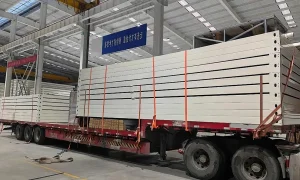
Container house transportation
Can You Customize the Design and Configuration?
Yes. One of the strongest advantages of this category is the ability to adjust the design to the end use. Buyers can change room count, windows, doors, finish level, sanitary setup, and utility planning based on the project. That makes the product highly customizable.
Your homepage notes full customization options for insulation, windows, doors, interior finishing, and electrical systems, along with OEM and ODM support. That makes this type of container house manufacturer especially attractive to distributors, EPC firms, and project developers who need product variation across regions or clients.
The best custom plan should improve both function and buyer confidence. A different configuration may be needed for camp housing, public-use rooms, tourism units, or family accommodation. Good customization improves comfort, compliance, and project fit at the same time.
Popular customization choices
- Window and door size
- Interior partitions
- Washroom option
- Exterior finish
- Utility routing
- Lighting plan
- Climate-control upgrade
- Project branding
- Bulk order adjustment for bulk shipment
What Should Buyers Check Before Choosing Expandable Homes for Sale?
Start with purpose. The right buyer first decides how the unit will be used: project camp, family living, public service, tourism, or emergency deployment. This affects size, design, and finish level.
Next, check transport and compliance. Ask whether the product matches your destination regulation, local building regulations, and permit needs. A smart supplier should help with product details that affect compliance, including structure, insulation, layout, and utility planning. In many cases, the buyer should also verify any required permit before ordering.
Finally, compare supplier capability. A reliable manufacturer should offer clear specifications, export support, customization help, and realistic lead times. That is especially important for global buyers who need repeat orders, project coordination, or mixed-product procurement.
Buyer checklist
- Size: 20ft or 40ft
- Intended use
- Room count
- Utility plan
- Climate conditions
- Transport route
- Local building regulations
- After-sales support
- Production lead time
- Payment terms
Why Do Expandable Container Houses Fit Modern Housing Trends?
Today’s market values speed, efficiency, and flexibility. Buyers want buildings that can adapt to changing needs, support faster deployment, and still provide a comfortable life or work environment. That is exactly where expandable container house products perform well.
They suit modern expectations because they combine innovation, transport efficiency, and practical living value. A compact shipping form plus larger final footprint gives buyers a better balance of logistics and function. It is a simple but smart answer to many housing and project-space problems.
That is why more global buyers are looking at homes for sale in modular formats instead of relying only on slower fixed-build models. A quality fold-out unit can offer cozy use, better efficiency, strong versatile use value, and a clear advantage for fast-moving projects or emerging housing needs.
FAQs
What is an expandable container house?
An expandable container house is a fold-out modular house that ships in a compact form and opens on site to create a larger usable interior.
Is a 20ft or 40ft expandable container house better?
It depends on your use. A 20ft expandable container house is better for compact needs and easier movement. A 40ft expandable container house is better for larger room plans and more comfortable multi-person use.
Can an expandable container home include two bedrooms?
Yes. Many buyers choose a 2 bedroom setup, especially in the 40ft format, because it gives a better balance between private sleeping space and shared living room area.
Are expandable container houses durable enough for repeated use?
Yes, if they are built with a strong structure and quality materials. Buyers should always check frame design, wall panels, transport logic, and weather resistance.
Are these homes suitable for off-grid or remote locations?
They can be. Many buyers use them in remote camps or off-grid locations with adapted utility setups, depending on local conditions and support systems.
What should I ask before buying?
Ask about size, room plan, shipping method, structure, customization, utility options, lead time, and payment terms.
Key Takeaways
An expandable container combines compact transport with larger final interior use.
A good container home can serve both project and living applications.
20ft and 40ft models solve different space and logistics needs.
Interior planning matters for bedroom, washroom, and living room comfort.
Strong structure and high-quality materials improve durability and repeat-use value.
Folding transport helps reduce freight pressure and improve logistics.
Customization is important for public projects, camps, tourism, and family use.
Buyers should always check local building regulations, permits, and compliance needs.
A reliable supplier should support export planning, customization, and after-sales communication.
For many B2B buyers, an expandable unit is a cost-effective answer to fast, scalable, and practical housing needs.