







Rising land, labor, and material costs make building a home harder than ever. Many buyers want a more flexible, lower-cost path, but the wrong choice can lead to budget overruns, code problems, and expensive upgrades. A clear cost comparison helps you choose the right build from the start.
In most cases, a basic shipping container home can look cheaper at first, but a barndominium may offer better value when you need more living space, easier layouts, and simpler utility integration. The true answer depends on size, finish level, local labor, local building codes, and whether you want a compact container home or a larger custom structure.
Quality of Construction and Modification
Outline
What is the real difference between a container home and a barndominium?
Which option is usually cheaper to build?
What affects the cost to build a barndominium?
What affects the cost of building a container home?
How does cost per square foot compare?
Which type of home offers more design flexibility?
Are shipping container homes cheaper than traditional houses?
What do buyers need to know about insulation, zoning, and codes?
Which option works better for modern living and long-term value?
How should you choose between a barndominium or container home?
What Is the Real Difference Between a Container Home and a Barndominium?
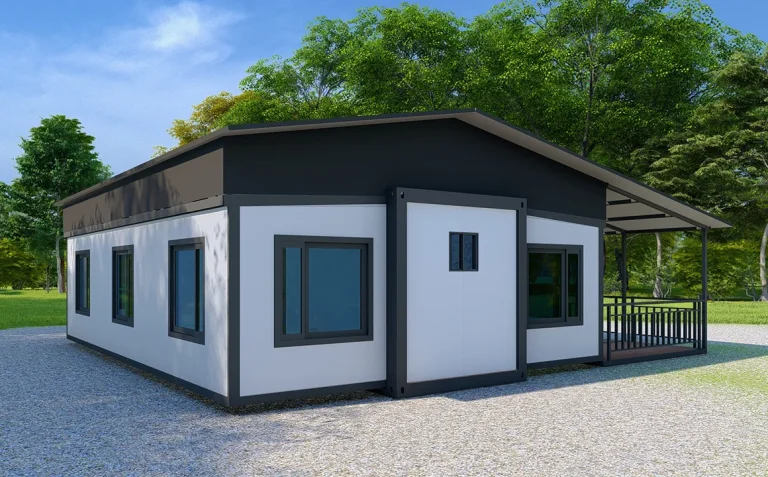
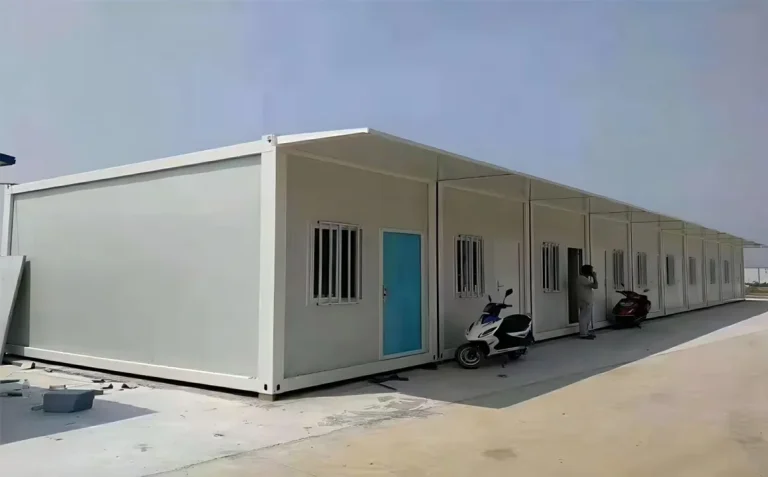
A container home is built from one or more steel containers. A shipping container home uses a modular approach, where units are connected, stacked, or modified to create a finished residence. This appeals to buyers who like compact design, faster assembly, and a more minimalist style.
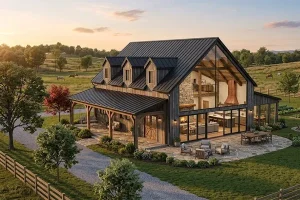
Barndominiums are different. They are usually metal building structures converted into homes with wide interior spans and flexible layouts. Many buyers like them because they can create a very spacious interior with fewer structural limits than a shipping container shell.
The biggest difference is how each one handles layout and structure. A container home is made from narrow box-shaped modules. A barndominium starts as a broader shell, so it is often easier to create an open floor plan, larger living areas, and a more traditional residential feel.
Which Option Is Usually Cheaper to Build?
When people ask “barndominium vs container home,” they usually want one simple answer. In reality, the lower price depends on project size and finish level. A very small container home may cost less than a barndominium because it uses a smaller footprint and fewer materials.
But once you add site work, framing changes, utilities, window openings, and interior finishing, a container home could become more expensive than expected. In many cases, building a barndominium is often more efficient for larger homes because the structure is easier to plan around and scale.
So which is cheaper to build? For a small, simple dwelling, the container option may win. For a larger home with more standard room proportions, a barndominium may deliver the better overall cost.
Quick rule of thumb
- Small footprint, simple finish: container home
- Larger family layout, easier interior planning: barndominium
- Highly custom concept build: depends heavily on design and labor
- Premium finishes: either option can become expensive
What Affects the Cost to Build a Barndominium?
The cost to build a barndominium depends on structure size, slab work, interior finish, and utility complexity. One reason many buyers like this model is that a wide steel shell can be built efficiently, especially if the design stays simple.
A barndominium may also reduce framing complexity because the base structure already supports a broad interior span. That makes it easier to add a kitchen, bedrooms, bath, and large living zones without cutting through steel modules like you would in a container conversion.
Still, the cost is not always low. A barndominium may need upgraded insulation, premium windows, interior walls, plumbing runs, and customized finishes. If the design becomes elaborate, the cost of materials and labor can rise quickly.
What Affects the Cost of Building a Container Home?
Building a container home looks simple on social media, but the real budget depends on many hidden steps. Buying a used or new shipping container is only the beginning. You still need transport, foundation, cutting, welding, reinforcement, utilities, and finish work.
A container home starts with a steel box, but that box was not originally built for comfortable residential use. Once you cut openings for doors and windows, you may need extra reinforcement. When you combine multiple containers, costs can rise even more because structure and waterproofing become more complex.
That is why shipping container homes require careful planning. Buyers often assume the shell saves money, but container homes require insulation, framing, moisture control, and careful mechanical integration. Without that, the home may not perform well.
Main cost items in a container build
| Cost item | Why it matters |
|---|---|
| Container purchase | New vs used affects quality and price |
| Delivery and crane work | Moving steel modules costs money |
| Structural modification | Openings weaken the shell |
| Insulation | Essential for comfort |
| Plumbing and electrical | Harder in tight steel spaces |
| Interior finishing | Adds major cost quickly |
How Does Cost Per Square Foot Compare?
Many buyers compare per square foot pricing because it feels simple. But this can be misleading. A small container home may have a higher cost per square foot than expected because fixed costs like foundation, permits, and utilities are spread across fewer square feet.
Barndominiums often perform better in this kind of cost comparison because larger open shells scale more efficiently. When you build more space in one structure, the average cost per square foot may drop, especially if the design remains straightforward.
That said, a container build can still offer real cost savings if you keep the design compact and avoid over-customization. A small container used as a studio, guesthouse, or office may cost less overall, even if its square-foot number looks high.
Which Type of Home Offers More Design Flexibility?
This is where barndominiums often win. Because the shell is larger and more open, it is easier to create a flexible floor plan, bigger rooms, and broader spans. If you want a more traditional residential layout, barndominiums and traditional houses share some design advantages.
A container home, by contrast, works within the shape of the box. That can still create a truly unique home, and many buyers love the look. The nature of shipping containers allows creative stacking, modern lines, and a distinct style that stands out.
But it also creates limits. Narrow widths can make hallways, kitchens, and bathrooms more difficult to plan. So while container homes also offer exciting design options, barndominiums usually make internal layout easier.
Design strengths
- Container home: bold style, modular growth, compact efficiency
- Barndominium: broader rooms, easier room flow, stronger open floor layouts
- Both: strong customization potential when planned well
Are Shipping Container Homes Cheaper Than Traditional Houses?
Sometimes, yes. A shipping container home can be cheaper than traditional construction when it is small, simple, and carefully designed. This is especially true when the buyer wants a compact home, office, or retreat rather than a large family residence.
However, compared to traditional homes, container builds can carry unusual costs. Reinforcement, moisture control, steel treatment, and code compliance may raise the budget. In some areas, traditional houses are easier to permit and finance, which changes the value equation.
So while container homes make a strong case for efficient, small-scale building, they do not automatically beat every traditional home on price. The answer depends on scope, site, and finish level.
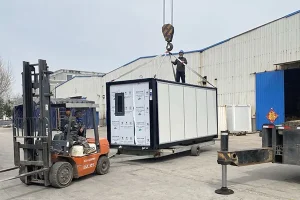
Delivery and transportation
What Do Buyers Need to Know About Insulation, Zoning, and Codes?
This is one of the most important parts of the decision. Without proper insulation, a steel container can become very hot or cold. Without proper insulation, comfort drops, and heating and cooling costs rise. Good wall, roof, and floor treatment is essential.
Buyers must also check building codes and zoning rules. In some places, a shipping container home is accepted. In others, the local zone may restrict it or require special engineering approval. The same is true for barndominiums, though they are often easier to understand within standard residential frameworks.
Always review local building codes early. Whether you build a shipping container home or build a barndominium, code review should happen before detailed design. That helps you make an informed choice and avoid expensive redesign later.
Which Option Works Better for Modern Living and Long-Term Value?
For compact, design-driven, or modular projects, a container home works well. It fits buyers interested in modern living, efficient use of space, and a more unusual residential concept. Some people also choose it for sustainable living because of the reuse narrative and modular process.
For bigger families or buyers who want easier expansion, barndominiums may offer stronger long-term comfort. They tend to provide more flexible rooms, larger common spaces, and a layout closer to everyday residential expectations. In many cases, homes offer better flow when the structural shell is wider.
So the best answer is not only about price. It is about lifestyle. A barndominium and a container home solve different problems. One favors broad interior freedom. The other favors compact modular identity.
How Should You Choose Between a Barndominium or Container Home?
If you are choosing between a barndominium and a container solution, start with your real goal. Do you want a compact modern build, or a large flexible family house? That first question often decides the direction.
Then compare the site, budget, climate, and code environment. A container home could be perfect for a smaller project, guest unit, or remote site. A barndominium may be better when you want more conventional room sizing and simpler scaling.
The best way to compare costs is to price the full project, not just the shell. Include foundation, utilities, finish work, insulation, transport, and code requirements. That is how you build either option on facts instead of assumptions.
Decision checklist
- Total size needed
- Climate and insulation requirements
- Budget for full build, not just structure
- Site access and delivery limits
- Local permitting and zone rules
- Desired style: rustic or modern modular
- Long-term use: weekend retreat, full-time home, or rental
- Pros and Cons at a Glance
Pros and cons of barndominiums
Pros
- Easier large layouts
- Better open floor plan
- More natural fit for larger families
- Often better for broad living space
Cons
- May cost more for smaller builds
- Less distinct than a container concept
- Can still become expensive with premium finishes
- Pros and cons of container homes
Pros
- Strong modular identity
- Compact and often fast to assemble
- Great for minimalist or design-led projects
- A container home could be ideal for a small retreat or rental
Cons
- Narrow form can challenge layouts
- Steel shell requires smart insulation
- Shipping container homes require careful engineering
- Costs rise fast when adding complexity
FAQs
Is a container home or barndominium cheaper to build?
A small container home is often cheaper at the start, but for larger layouts a barndominium may provide better value and easier planning.
What is the biggest cost problem in a shipping container home?
The main issue is not the box itself. It is modification, insulation, structural work, and utility integration after purchase.
Are barndominiums cheaper than traditional houses?
Sometimes. They can be more efficient than many traditional houses, especially when the design stays simple and open.
Can a container home be a dream home?
Yes. A dream home can absolutely be a container build if you value bold design, compact efficiency, and modular style.
Do container homes save money long term?
They can, but only if they are well designed. Poor thermal planning can raise heating and cooling expense, so details matter.
Which is better for a family home?
For more bedrooms and larger common areas, barndominiums are often easier. For smaller modern living setups, a shipping container home may be a good fit.
Key Takeaways
A small container home may cost less upfront, but larger custom builds can lose that advantage.
Barndominiums usually offer easier layouts and broader living space.
The true answer in barndominium vs container cost depends on size, finish, and code requirements.
A shipping container home needs careful planning for structure, insulation, and utilities.
Barndominiums often deliver better value for larger homes.
Container builds shine in compact, modular, design-led projects.
Always check local building codes and zoning before committing.
The shell price alone does not tell the full story.
The smartest choice is the one that fits your budget, site, and long-term use.
To make an informed decision, compare the full project cost, not just the headline material price.