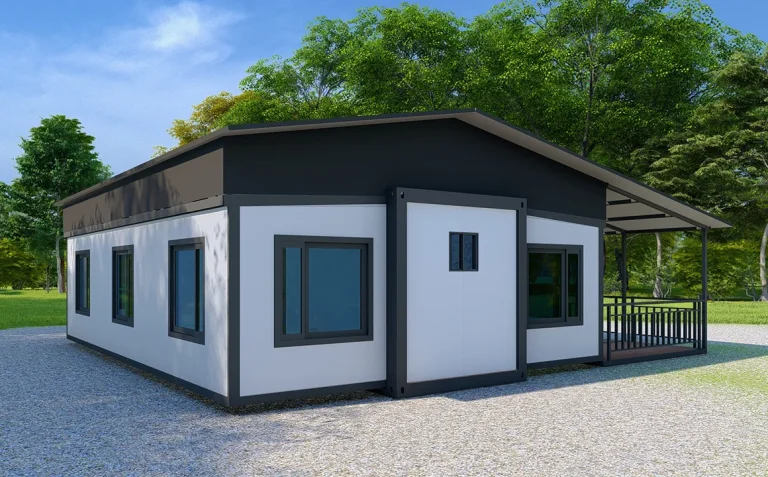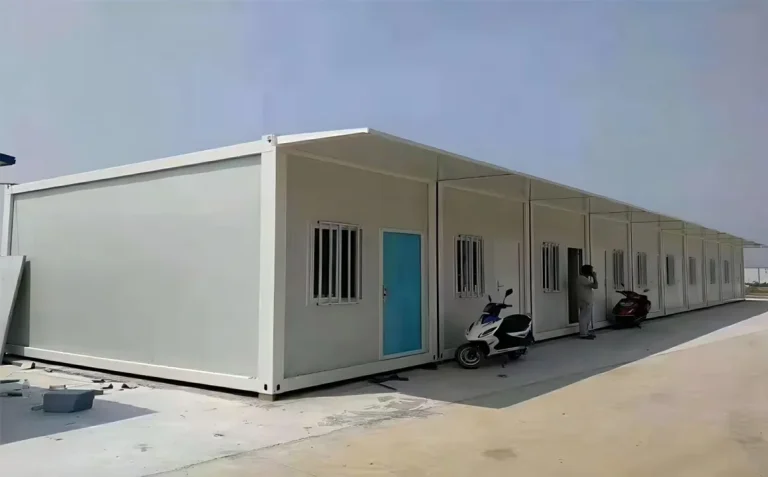







Traditional construction is often slow, expensive, and hard to scale. That becomes a bigger problem when buyers need fast delivery, flexible layouts, and practical building systems for changing projects. A china green container house offers a smarter way to build with speed, efficiency, and modern modular value.
A china green container house is a modern container house solution designed for fast deployment, flexible use, and efficient transport. It combines modular design, durable materials, and practical layouts for housing, offices, camps, and public-use projects. For buyers seeking scalable and more sustainable building options, a green container house is a strong alternative to conventional methods.
Hybrid modular construction
Outline
What is a China green container house?
Why is a green container house gaining attention in the global market?
What types of modular container house solutions are available?
How do folding, detachable, and expandable container systems differ?
Why is steel structure important in prefab container house design?
Can a container house support both living and project use?
What makes a prefab home practical for modern buyers?
How does customization improve housing solutions?
Why do buyers choose China for modular construction supply?
What should buyers check before choosing a container house supplier?
What Is a China Green Container House?
A china green container house is a factory-made container house built for flexible deployment across many project types. It is designed to provide fast installation, reliable structure, and efficient transportation while reducing the complexity of site work. Instead of relying on slow traditional construction, buyers can use a ready-made modular container house system that is easier to plan and deliver.
The phrase china green container often refers to a product category that combines efficient building methods with a more practical approach to material use, transport, and installation. In simple terms, it is a modern building solution that tries to balance speed, structure, and usability. A green container house is especially attractive to buyers who want a cleaner project workflow and stronger control over budgets and timelines.
For many clients, this is more than a simple shelter. A modern container home can be used as accommodation, office space, a dormitory, or even a commercial support unit. That is why these systems are increasingly seen as complete living solutions rather than temporary boxes.
Why Is a Green Container House Gaining Attention in the Global Market?
The global market likes solutions that are fast, reliable, and flexible. A green container concept fits this need because it brings together easier transport, efficient production, and repeatable quality. Buyers no longer want only a building. They want a building system that can move with the project and adapt to different uses.
Another reason is the growing interest in green building and more practical resource use. Many project owners now look at how a building is made, how fast it can be installed, and how it performs over time. A prefab solution helps reduce on-site waste and improve schedule control. That makes it more appealing for the modern construction industry.
There is also a clear business reason. These systems are often more cost-effective than many site-built alternatives for camps, schools, clinics, temporary offices, and support spaces. In large construction projects, speed and repeatability matter a lot. That is exactly where modular systems perform well.
Why the market is paying attention
- Faster delivery and setup
- Better shipping efficiency
- Lower on-site labor demand
- Scalable planning for repeat projects
- Strong fit for public and private sector use
What Types of Modular Container House Solutions Are Available?
Today’s container house market includes several product types, and each one suits different use needs. The main categories are usually expandable container, folding container, detachable container, and flat pack systems. These formats give buyers more freedom to choose a product based on transport, budget, and function.
A standard prefab container house may be used as staff accommodation, a classroom, a clinic, or a container office. A larger modular home may include multiple rooms for family or team use. A smaller unit can serve as a temporary support room or retail point. This variety is one of the biggest reasons modular systems are popular.
Some buyers focus on compact transport. Others need more indoor room after deployment. That is why different types exist. A well-developed supplier should be able to explain which format is best for your project instead of trying to push only one type.
| Product Type | Best For | Main Advantage |
|---|---|---|
| Expandable container house | Larger room after setup | More usable interior area |
| Folding container house | Fast deployment | Efficient setup |
| Detachable container | Repeat transport | Reusable structure |
| Flat pack container house | Bulk shipping | Better loading efficiency |
How Do Folding, Detachable, and Expandable Container Systems Differ?
A folding container system is built to reduce setup time. It opens quickly and is useful for projects that need speed and convenience. This makes folding designs a strong fit for field camps, temporary housing, and emergency response buildings.
A detachable system is different. It comes as separate parts that are assembled on site. This allows efficient transport and easier repeated use across different locations. A detachable container is a practical choice when buyers care about long-term reuse and lower transport volume.
An expandable prefab unit focuses on interior space. It ships in a compact form, then opens to create a wider usable area. That makes it a good option for clients who want more room without giving up transport efficiency. In that sense, prefab folding and expandable logic both improve logistics, but in slightly different ways.
Quick comparison
- Folding container house: faster opening, ideal for urgent deployment
- Detachable unit: good for repeat shipping and relocation
- Expandable container: better for larger living or working area
- Flat-pack container: strong for volume delivery and scalable projects
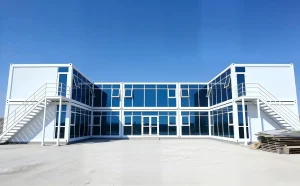
Expandable Container House
Why Is Steel Structure Important in Prefab Container House Design?
A strong steel structure is the backbone of a good container house. It provides support, helps the building survive transport, and protects long-term performance. Without a reliable structure, even a good-looking unit will not last.
For global buyers, structural integrity is one of the most important checks before purchase. The unit may face movement, stacking, weather exposure, and repeated installation. A stronger frame improves durability, safety, and long-term value. That is why modular steel construction remains central in this industry.
Good steel framing also helps support better layout planning. It creates confidence for windows, doors, roof loads, insulation layers, and utility placement. In a market full of product claims, the real test is whether the structure can hold up over time and across different uses.
Can a Container House Support Both Living and Project Use?
Yes. One of the strongest advantages of a container house is its flexibility. The same product logic can serve very different purposes. A single unit may become accommodation for workers. Another may become a clinic room or office. A larger module may be used as a prefab home or tourism cabin.
This adaptability makes the product useful across public, commercial, and industrial settings. In project environments, it supports camps, offices, and field housing. In non-project settings, it can serve as a tiny house, shop, visitor center, or temporary service building. This broad use range is one reason demand keeps growing.
The interior can also be adjusted to match the function. A unit can include a sleeping zone, washroom, work desk, or shared living space. Some buyers need a single unit. Others need a 2 bedroom plan or connected multi-unit block. That is why these systems work well for both basic and advanced applications.
What Makes a Prefab Home Practical for Modern Buyers?
A good prefab house solves several buyer problems at the same time. It reduces construction time, improves shipping control, and allows easier quality management because much of the work is done in the factory. This makes the final process smoother for the buyer.
A modern prefabricated house is also more practical because it supports clear planning. Buyers know the size, structure, material options, and delivery path earlier in the process. That reduces uncertainty. For a distributor, contractor, or wholesaler, predictability is a major advantage.
Many people also like the balance between function and design. A good unit blends aesthetics with functionality. It is not only about shelter. It is about creating a comfortable space that feels modern, usable, and professional. That is especially important in tourism, camps, rural development, and public-use projects.
Why prefab appeals to modern buyers
- Faster procurement
- Easier installation planning
- More reliable factory quality
- Better shipping control
- Practical housing solutions
- Stronger sense of affordability
How Does Customization Improve Housing Solutions?
Not every buyer wants the same product. That is why customization matters. A school module is not the same as a tourism cabin. A work camp is not the same as a luxury container house. The more flexible the product line, the easier it is to meet different project goals.
A customizable system lets buyers change room layout, windows, doors, interior finish, roof options, and utility planning. Some may need hvac, better insulation, or upgraded wall systems. Others may want a different facade, brand colors, or solar panels for off-grid or low-power locations.
This is where a true one-stop factory becomes valuable. A capable partner can provide tailored solutions instead of standard boxes only. That makes the final result more useful for real deployment and gives the buyer more control over performance and appearance.
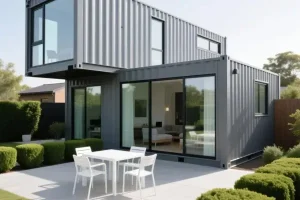
container home
Why Do Buyers Choose China for Modular Construction Supply?
China has become a major center for modular construction because it offers strong manufacturing capacity, fast production, and broad export experience. Buyers often choose Chinese factories because they need a dependable supplier that can handle volume, shipping, and customization at the same time.
Many buyers also look for practical value. A made in china product can be competitive when it combines good engineering, efficient production, and responsive service. For overseas distributors and contractors, this matters because they are not buying only a product. They are buying a supply partner.
Regions such as guangdong and foshan are often associated with strong manufacturing ecosystems. That helps buyers source products, accessories, finishes, and support services more efficiently. In global trade, strong factory clusters often make delivery and coordination easier.
What Should Buyers Check Before Choosing a Container House Supplier?
First, check product range. A capable container house manufacturer should offer more than one format. Buyers should be able to compare foldable house, flat pack, detachable, and expandable options based on real use needs.
Second, check experience and support. Ask whether the factory offers oem service, export documentation, installation guidance, and after-sales help. A supplier with 20 years of experience or broad project exposure is usually better prepared for complex orders. Some factories also emphasize global delivery scale such as service to 160 countries, which can indicate export maturity.
Third, review quality and application fit. Look at structure, finish level, compliance support, and ability to support special-use sectors such as disaster relief, cultural tourism, and rural revitalization. The best supplier is the one that can match the product to the project, not just quote a low price.
Buyer checklist
- Product type and range
- Export experience
- OEM and design support
- Material and structure quality
- Delivery lead time
- Utility and finish options
- Price vs long-term value
- Ability to support repeat orders
Are Green Container Houses Good for Sustainable Living?
Yes, when the design and application are matched properly. A green container house can support sustainable living because it reduces site waste, improves transport efficiency, and allows more predictable factory production. This does not mean every unit is automatically “green,” but the system can support smarter resource use.
The use of recyclable materials, efficient production methods, insulation upgrades, and energy-efficient design choices can improve the product further. In some applications, buyers may add solar panels or low-energy systems to reduce operating demand and support remote use.
For many buyers, sustainability is not only about image. It is about useful performance. A faster, more efficient, and more adaptable unit can support better project outcomes and lower waste across the building cycle. That is where modular systems can offer real value.
FAQs
What is a China green container house?
A china green container house is a factory-made modular building solution designed for fast transport, quick installation, and flexible use in housing, office, camp, and public project applications.
Is a green container house suitable for permanent living?
It can be, depending on design, local requirements, and how the unit is fitted out. Many buyers use it for temporary housing, while others upgrade the product for longer-term use.
What is the difference between folding and expandable systems?
A folding container focuses on quick deployment, while an expandable container house focuses on increasing usable indoor area after shipment.
Are modular container homes only for camps?
No. Modular container homes can be used for tourism, offices, clinics, schools, worker housing, and many other project or commercial uses.
Can I customize the layout and finish?
Yes. Most buyers can request different room plans, windows, doors, finishes, utility systems, and exterior styles based on project needs.
Why do buyers source container houses from China?
Buyers often choose China for strong manufacturing capacity, better production efficiency, export support, and more flexible customization options.
Key Takeaways
A container house offers faster and more flexible deployment than many traditional building methods.
A green container house appeals to buyers who want practical and more efficient building systems.
Product types include expandable container, folding, detachable, and flat pack systems.
A strong steel structure is essential for long-term performance.
These products support both living and project-based uses.
A good prefab system improves delivery, quality control, and planning.
Customization helps the product fit real project needs.
China remains a strong source for modular construction supply.
Buyers should compare product range, support, quality, and export experience before choosing a partner.
For many B2B clients, modular systems provide scalable and practical housing solutions.