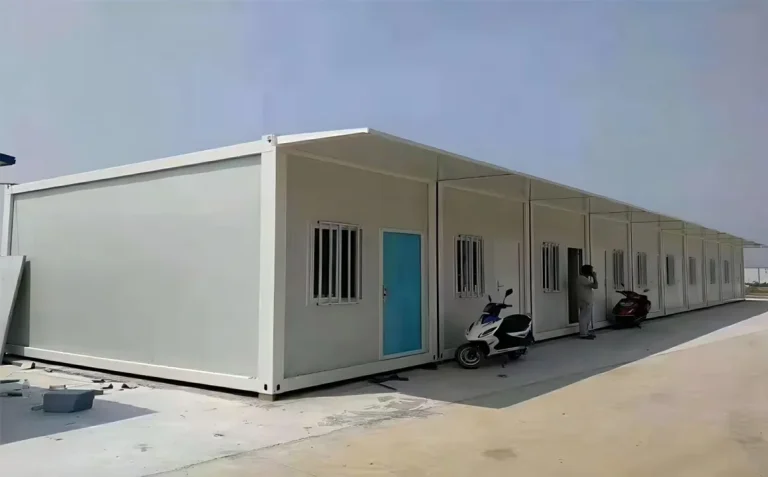








A steel container can turn into an oven in summer and a cold box in winter. That creates comfort problems, moisture risk, and higher finish costs later. The cheapest solution is not just buying the lowest-price material. It is choosing an insulation method that controls heat, moisture, and long-term performance together.
The cheapest way to insulate a shipping container is usually a budget-friendly framed system with foam board or mineral wool, depending on the local climate and how the container will be used. For the best balance of price, moisture control, and performance, many buyers compare spray foam, rigid board, and batt systems before starting the build.

Volumetric modular construction involves
Outline
Why does a shipping container need insulation?
What is the cheapest way to insulate a shipping container?
Is spray foam worth the extra cost?
Can foam board insulation be a cheaper option?
Is mineral wool a good low-cost insulation choice?
Why does condensation matter so much in a steel container?
How do framing and interior walls affect cost?
What is the best insulation method for a container home or workspace?
How do ventilation and moisture control work with insulation?
What should buyers check before choosing a shipping container insulation system?
Why Does a Shipping Container Need Insulation?
A shipping container is a steel box. Steel heats up fast, cools down fast, and reacts quickly to the weather outside. That means the inside of the container can become very hot, very cold, or damp if it is left untreated. Good insulation helps control those swings.
The second reason is moisture. When warm indoor air touches cold steel, you can get condensation. That creates droplets, damp surfaces, and long-term risk. In a container used as a room, office, or container for a home, this problem gets worse because people, cooking, and daily use all create moisture.
A third reason is comfort and operating cost. Without insulation, heating and cooling gets harder and more expensive. A good insulation plan helps keep the container more stable, protects finishes, and creates better usable space for long-term use.
What Is the Cheapest Way to Insulate a Shipping Container?
The cheapest way to insulate a container is usually not one universal material. It depends on whether you want a low upfront budget, a faster install, or better moisture protection. For many projects, the most affordable route is a simple frame with foam board insulation or batt insulation inside finished interior walls.
If the container is only a basic workspace or light-duty room, a framed wall with foam board can be a practical cost-effective way to start. It is widely available, easier to cut, and simple to combine with plywood or other interior finishes. This keeps labor simpler than some spray systems.
But there is a catch. Cheap materials can become expensive later if they do not manage moisture well. So the real low-cost answer is the one that fits the climate and use. For a dry zone and basic use, rigid board can work well. For a humid zone or full-time living use, a cheap-looking setup may fail and cost more later.
Low-cost options buyers often compare
- Foam board
- Rigid foam board
- Mineral wool
- Fiberglass
- Budget framed wall systems
- Partial spray foam in problem areas
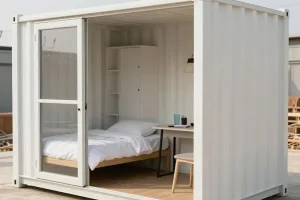
worker housing
Is Spray Foam Worth the Extra Cost?
Many buyers ask this because spray foam usually costs more at the start. The answer depends on what you value. If you want a strong air seal, better moisture control, and less wasted interior depth, closed cell spray foam is often one of the strongest choices.
One major benefit is that spray foam insulation fills the corrugation of the steel shell. That helps create a tight seal and limits air gaps where condensation can form. In many climates, this helps reduce condensation and moisture problems much better than loose-fill or poorly installed board systems.
The downside is budget. If your only goal is the lowest initial price, spray foam may not be the cheapest option. But if you care about durability, fewer moisture issues, and long-term performance, it can still be a smart investment. It is especially useful when the container will be a home, office, or finished room rather than simple storage.
Why buyers choose spray foam
| Benefit | Why it matters |
|---|---|
| Strong seal | Helps block moist air |
| Better fit to steel shape | Follows wall corrugation |
| High performance | Delivers a high r-value |
| Moisture control | Helps reduce mold risk |
| Space efficiency | Keeps more interior space |
Can Foam Board Insulation Be a Cheaper Option?
Yes. Foam board insulation is often one of the most budget-friendly ways to insulate a shipping container. Sheets of foam board are relatively easy to buy, cut, and install. They are often used with furring strips, wood studs, or light framing to create a finished wall system.
A big reason it is affordable is labor simplicity. Many builders can handle it with basic tools. Common sizes like 4×8 sheets make planning easier, and the material works well when you want a repeatable process across the walls and ceiling. For some buyers, that keeps the whole insulation project under control.
Still, the performance depends on installation quality. If the board leaves gaps, warm indoor air can reach the steel and cause condensation. That is why many installers pair rigid board with sealant, tape, and a vapor barrier. When done well, rigid foam board can be one of the most practical low-budget options.
Is Mineral Wool a Good Low-Cost Insulation Choice?
Mineral wool is another strong candidate, especially when buyers care about fire resistance and a non-flammable insulation option. It is made from stone or slag wool, and it performs well in framed wall systems. It also handles heat and sound better than many people expect.
Compared with fiberglass, mineral wool is denser and often easier to fit tightly between framing members. That makes it useful in wood framing or steel framing builds where you want reliable performance without a premium spray cost. For some projects, this makes mineral wool a very smart middle-ground choice.
The main limitation is moisture strategy. Mineral wool itself can perform well, but the wall system still needs proper control layers. If warm indoor air reaches the steel shell, you can still have moisture issues. So mineral wool works best when the vapor barrier, vent design, and cladding layers are planned correctly.
Why Does Condensation Matter So Much in a Steel Container?
This is one of the biggest issues in any modified shipping container project. The shell is steel. When humid indoor air touches cooler metal, water forms. That is condensation. If it happens again and again, it can damage finishes and create hidden wet spots.
That moisture can show up as droplets on the walls, damp insulation, and even black mold in bad cases. It can also shorten the effective lifespan of interior materials. So when you plan insulation, you are not only thinking about temperature. You are also planning to prevent condensation.
This is why the cheapest answer is not always the safest answer. A very low-budget setup may look good on day one, but if it traps moisture it can become a long-term problem. Real savings come from balancing material price with moisture control and correct installation.
Signs your container may have moisture trouble
- Wet spots on wall panels
- Smell of damp air
- Mold and rust risk
- Poor air quality
- Hidden moisture behind finish layers

How Do Framing and Interior Walls Affect Cost?
Framing changes the whole budget. The moment you build a frame inside the shell, you add lumber or metal members, fasteners, labor, and finish layers. But you also create a practical cavity for insulation, wiring, and interior finishing.
Many low-cost builds use furring strips instead of a full build-out of stud walls. This helps save space and money. Others use full 2×4’s to create deeper cavities for batt insulation, mineral wool, or board systems. The best choice depends on the use of the container and how polished the final result must be.
Your interior walls also affect the final feel of the room. Plywood, panels, or other finishes make the space look complete, but they add cost. So when buyers compare the cheapest insulation path, they should always include framing and finish-out cost, not just insulation material alone.
What Is the Best Insulation Method for a Container Home or Workspace?
The best insulation method depends on the end use. If the unit is a basic storage container, low-cost board or batt solutions may be enough. If it is a workspace, office, or home, performance matters more because people spend time inside.
For a full-time living unit, many builders prefer closed cell systems or a hybrid system because they help with air sealing and moisture control. A shipping container insulation plan for a home must handle comfort, long-term durability, and interior finish quality. In that case, spray foam often stays near the top of the list.
For a lighter-duty use, a framed wall with foam board, mineral wool, or fiberglass may be enough. The cheapest path for a workshop is often not the same as the cheapest path for a bedroom or office. So always define the use before you choose the product.
Best-fit guide by use
| Use | Good option |
|---|---|
| Basic storage | Simple board insulation |
| Workshop | Board or mineral wool with venting |
| Office | Better sealed board or spray foam |
| Home | Spray foam or hybrid system |
| Hot/humid climate | Moisture-focused sealed system |
How Do Ventilation and Moisture Control Work With Insulation?
You cannot separate ventilation from insulation. Even the best insulation can fail if the room traps too much moisture. A container needs some way to manage humidity, air exchange, and interior conditions.
That may mean a simple vent, cross-flow air movement, mechanical extraction, or a dehumidifier depending on the use. If you want to insulate your container properly, you also need to think about where warm air goes, how fresh air enters, and whether moisture can escape before it reaches the steel.
In some cases, the right strategy is not thicker insulation. It is better moisture planning. Good air movement, smart use of a vapor barrier, and the right finish system help protect the shell and improve comfort over time.
What Should Buyers Check Before Choosing a Shipping Container Insulation System?
First, check the climate. A dry inland region needs a different solution than a hot coastal site. The right types of insulation depend heavily on humidity, temperature swing, and whether warm moist air is moving from inside to outside or the other way around.
Second, define the use. Will the container be a home, office, workspace, or light storage? A shell used for storing food or equipment has different needs than a sleeping room. This changes the best insulator, wall build-up, and moisture plan.
Third, compare system cost, not only material cost. Look at material, framing, finishing, ventilation, labor, and long-term durability together. That is how you choose a truly cost-effective system instead of the cheapest short-term product.
Buyer checklist
- Local climate
- Expected indoor use
- Moisture risk
- Ventilation plan
- Material cost
- Labor and installation complexity
- Lost interior room from thick walls
- Finish-out expectations
- Long-term performance
FAQs
What is the cheapest way to insulate a shipping container?
For many projects, the cheapest option is a framed wall with foam board or mineral wool, depending on climate and use. The best low-cost choice is the one that also controls moisture well.
Is spray foam the best choice for a shipping container?
Spray foam is often one of the best performers, especially for moisture control and air sealing, but it is not always the lowest upfront price.
Can I use fiberglass in a shipping container?
Yes, but fiberglass needs careful installation and moisture planning. If warm air reaches cold steel behind it, you may get condensation problems.
Do I need a vapor barrier in a container build?
In many cases, yes. A vapor barrier helps manage moisture movement, but the right placement depends on climate and wall assembly.
How do I prevent condensation inside a shipping container?
You prevent condensation by combining insulation, air sealing, ventilation, and moisture control. The goal is to stop humid air from reaching cold steel surfaces.
Is mineral wool better than foam board?
Not always. Mineral wool is great for fire resistance and framed walls. Foam board is often easier and cheaper for simple builds. The better choice depends on your use and climate.
Key Takeaways
The cheapest way to insulate a shipping container depends on climate, use, and moisture risk.
Foam board insulation is often one of the lowest-cost practical options.
Spray foam costs more upfront but often performs better long term.
Mineral wool is a strong alternative when fire resistance and framed-wall performance matter.
Condensation is one of the biggest risks in a steel container build.
A cheap insulation choice can become expensive if it causes mold and moisture problems.
Framing, finish-out, and ventilation all affect the real project cost.
A home or office needs a better system than a simple storage unit.
Good insulation should protect comfort, durability, and usable interior space.
The best result comes from balancing upfront budget with long-term performance.