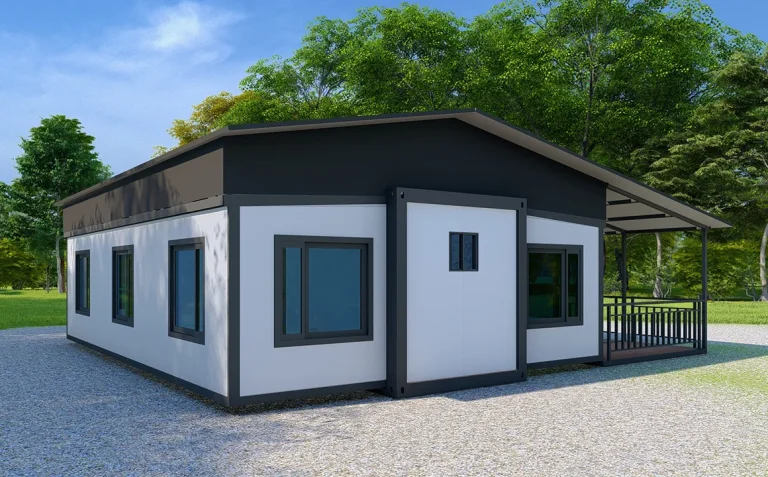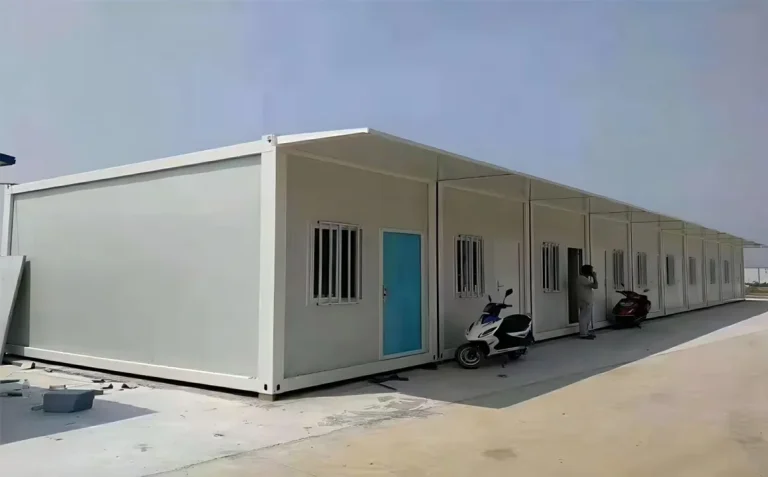








Slow site delivery, rising labor costs, and changing project needs can derail housing plans fast. Traditional construction often takes too long for camps, site offices, emergency housing, and fast-track developments. An expandable container house solves this by arriving ready-made, installing quickly, and scaling with project demand.
An expandable shipping container house is a factory-built modular structure that folds for transport and expands on site to create larger usable living or working space. It is commonly used for workforce accommodation, site offices, emergency shelters, temporary housing, and project-based facilities because it is fast to deploy, easy to move, and more space-efficient than many standard container formats. Permits and zoning rules still apply and vary by location.
Container Home
As a China-based factory specializing in modular container houses, we see this product from a real project angle. Contractors, EPC firms, distributors, and government buyers do not just want a box. They want fast deployment, consistent quality, lower transport cost, and layouts that are ready for use on site.
Article Outline
What is an expandable container house?
How is an expandable container home different from a standard container?
Why is this container house becoming so popular in project housing?
What are the differences between 20ft and 40ft models?
What layouts are possible, including 2 bedroom and 3 bedroom plans?
What materials make the structure durable and sturdy?
How fast is installation and what comes pre-installed?
Where is an expandable house best used: camps, offices, homes, or emergency projects?
What should buyers know about permits, shipping, and site planning?
How do you choose the right supplier for a modular project?
What is an expandable container house?
An expandable container house is a factory-built container house that can be folded or compacted for transport and then opened on site to create more living space. In practical terms, it combines the transport logic of a shipping unit with the usability of a small prefab house. Many models use side sections that unfold outward, which is why some suppliers describe the format as a butterfly-style house. Some sellers also market it as a 3 in1 expandable container house or say it’s also called 3 in1 because one compact transport unit opens into a much wider interior.
This is one reason the product is appealing to B2B buyers. The unit arrives compact, then opens into a much more spacious usable footprint. Compared with an original container house or a fixed standard container, the expandable format gives more room without sending oversized freight from the factory. That helps reduce logistics pressure and speed up project deployment.
From a buyer’s point of view, the key idea is simple. This is not just a shipping container with a door and window. It is a modular housing product designed around transport efficiency, fast installation, and practical site use.
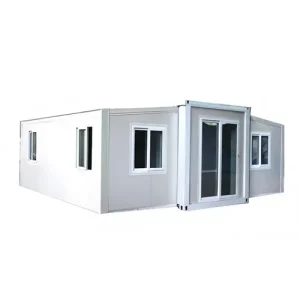
Expandable Container House
How is an expandable container home different from a standard container?
A standard shipping container is designed first for freight. An expandable container is designed first for space efficiency after delivery. That difference matters. A freight container is structurally optimized for stacking and transport. An expandable house is optimized for compact shipping plus larger deployed use on land. That is why many project buyers compare container-inspired prefab units rather than assuming all “container homes” are the same.
An expandable container home also differs in finish and setup. Many units come pre-installed with doors, windows, electrical components, wall panels, and basic internal systems. Product listings commonly mention sandwich-panel walls, galvanized steel frames, prefinished wall surfaces, and configured rooms such as a bedroom, toilet, or office area.
This is why many B2B clients prefer these systems for project use. They are not trying to create a social-media tiny home from a recycled freight box. They are buying a deployable building system that is cost-effective, transportable, and ready to serve as real accommodation or workspace.
Why is this container house becoming so popular in project housing?
The short answer is speed. Modular labor camp and accommodation references consistently emphasize that most work is completed in the factory, which shortens site schedules and reduces field labor. That is a major advantage for contractors, NGOs, and industrial operators working under tight timelines.
The second reason is flexibility. An expandable container home can serve as a dormitory, office, clinic, classroom, meeting room, guard post, or temporary residence. Workforce housing suppliers commonly describe modular camps as scalable and reusable across changing project phases.
The third reason is transport efficiency. Because the unit folds for delivery, buyers can move more housing per unit of freight volume than with fixed full-width modules. That can improve the cost per deployed room, especially on export projects. For camp builders and distributors, that matters as much as the purchase price.
What are the differences between 20ft and 40ft models?
In most markets, the two common base formats are 20ft and 40ft. A 20ft unit usually works well for compact offices, guard rooms, clinics, single-unit site accommodation, or smaller family layouts. A 40ft model gives more width and planning freedom once opened, making it better for larger rooms or multi-room use. Product references commonly list both 20FT and 40FT size options for expandable houses.
A 40ft container format is often the better choice when you need larger internal zones, such as a 2 bedroom or 3 bedroom layout, a combined office and meeting area, or more premium container home configurations. A smaller 20ft unit is often more budget-friendly for mobile site uses where the building needs to move often.
Here is a simple comparison:
| Base model | Best use | Main advantage |
|---|---|---|
| 20ft | site office, clinic, single room, quick-use unit | easier transport, lower budget |
| 40ft | family housing, larger office, camp room, multi-zone unit | more living space, better layout flexibility |
What layouts are possible, including 2 bedroom and 3 bedroom plans?
One of the strongest selling points of an expandable system is layout flexibility. Buyers can configure open-plan rooms, offices, clinics, classrooms, or residential plans depending on the use. Product listings often show applications that include accommodation, office, dormitory, camp, toilet, bathroom, classroom, and changing room.
For project housing, common layouts include:
single-room office with cabinet and washroom
one bedroom plus living zone and toilet
2 bedroom worker or family module
3 bedroom wider residential or camp configuration
meeting room plus admin office
clinic or first-aid room
classroom or training unit
That makes the expandable format useful for both temporary and semi-permanent project use. A portable house can start as a site office and later be reassigned as staff housing. A camp room can be duplicated in rows. A small cabin layout can serve tourism or remote operations. That kind of layout versatility is one reason the product fits so many sectors.
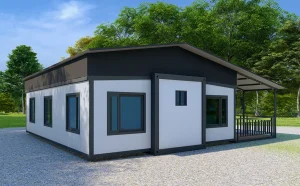
Expandable Container House
What materials make the structure durable and sturdy?
The best expandable units are built around a steel structure, often using galvanized steel or hot-dip treated steel components for corrosion protection. Multiple product references list galvanized or hot galvanized steel frames and sandwich-panel wall systems as key materials.
Wall and roof systems often use sandwich panels with an insulated core. Depending on the product, this may be EPS, rock wool, PU, or similar materials. Some suppliers highlight great thermal properties, non-flammable internal core options, and • fire resistant or • thermal performance claims depending on the panel type selected. Those choices affect heat control, acoustic performance, and project compliance.
In simple terms, the house needs to be sturdy, durable, and able to withstand transport plus repeated use. That is why serious buyers should ask about frame thickness, panel type, anti-corrosion treatment, roof loading, and expected lifespan before purchasing.
How fast is installation and what comes pre-installed?
One big reason buyers choose an expandable unit is that installation is fast. Much of the structure and interior setup is completed in the factory, so site work is mainly positioning, opening, leveling, and connecting utilities. Prefab labor camp references and modular accommodation suppliers repeatedly stress fast deployment and reduced field work.
Many units are pre-installed with:
windows and doors
wall and roof panels
base flooring
electrical box and lights
bathroom fixtures in some models
optional curtain, cabinet, or simple decoration packages
This is why the house is easy to deploy compared with conventional site-built structures. In some project settings, crews only need to position the unit, expand it, anchor it, and connect power and water. If the design includes wet areas, the team may need to disconnect services before relocation and reconnect on the new site.
That is a strong reason to use an expandable solution for remote camps, emergency housing, mining projects, and fast-track public programs.
Where is an expandable house best used: camps, offices, homes, or emergency projects?
The best use depends on the buyer’s project. For industrial and workforce use, these units are excellent for dormitories, dining support areas, clinics, guard posts, and administration blocks. Workforce housing suppliers describe modular camp systems as ideal for remote sites, disaster response, and temporary staff deployment.
For commercial and civil use, the product can work as a site office, show unit, retail kiosk, classroom, sales office, tourism cabin, or even a compact house to live in where local rules permit. Some buyers market them as a modern container residence or a modular mobile home, while others use them as a foldable container office for project turnover.
For NGOs and emergency buyers, the advantages are obvious:
compact transport
rapid deployment
reusable structure
flexible room use
more dignified shelter than some temporary alternatives
What should buyers know about permits, shipping, and site planning?
Even if the unit is factory-made, a permit may still be required. Multiple permit and zoning references say container or prefab house projects usually need to comply with local building codes, land-use rules, and permitting processes. The exact requirements depend on location, intended use, and local authority.
That means buyers should check:
land-use zoning
foundation or anchoring requirements
electrical and plumbing approvals
transport access to site
crane or forklift needs
local wind and snow requirements
Shipping also needs planning. The whole point of an expandable design is transport efficiency, but site access still matters. Buyers should verify unloading conditions, site leveling, and whether the project will use a canopy, rooftop accessories, external stair, or extra wet-room connection.
A smart rule for distributors and EPC teams is this: approve the layout, site condition, and permit path before ordering containers in bulk.
How do you choose the right supplier for a modular project?
Start with project fit. A good supplier should understand whether you need a single-unit office, camp rows, residential housing, or a mixed-use project. They should also be able to customize floor plans, finishes, electrical standards, and optional packages.
Then check the real factory strengths:
export packing and loading experience
steel and panel quality
engineering support
cut-to-size openings and room layout options
document support for international buyers
speed for bulk orders
As a China-based factory serving global B2B clients, we know that contractors and distributors do not only buy a product. They buy a delivery promise. They need high-quality production, practical support, and a supplier who understands bulk deployment, not just retail sales.
FAQs
What is an expandable shipping container house?
It is a factory-built housing unit that folds for transport and expands on site into a larger usable building. It is commonly used for accommodation, offices, camps, and temporary project facilities.
Is an expandable container home the same as a real shipping container home?
Not exactly. A shipping container home usually refers to a converted freight container, while an expandable house is usually a prefab structure designed for compact shipping and larger opened space after delivery.
Can I use a 40ft container house as a 2 bedroom unit?
Yes, many 40ft models are suitable for 2 bedroom or even 3 bedroom layouts depending on the design and local regulations. Product references commonly list accommodation and residential-style uses for 40FT expandable units.
Do I need a permit for an expandable container house?
Often yes. Permit, zoning, and code requirements depend on the site, the intended use, and local rules. Buyers should always check local authority requirements before purchase or installation.
What materials are usually used?
Most units use a steel frame, often galvanized steel, plus insulated sandwich panels for walls and roof. Panel type and frame thickness can vary by model and project standard.
Are expandable houses good for workforce camps?
Yes. Prefabricated accommodation providers regularly position modular units for workforce camps, remote projects, emergency shelter, and fast site deployment because they are fast, reusable, and scalable.
Key takeaways
An expandable container house is built for compact transport and larger on-site use.
It is a strong fit for camps, site offices, temporary housing, emergency projects, and some residential uses.
20ft and 40ft models serve different budget and layout needs.
Most units use galvanized steel frames and insulated sandwich panels.
Fast installation is a major advantage because many parts come pre-installed.
Buyers still need to check permit and zoning rules before deployment.
The best supplier is one that supports layout customization, export logistics, and real project execution.