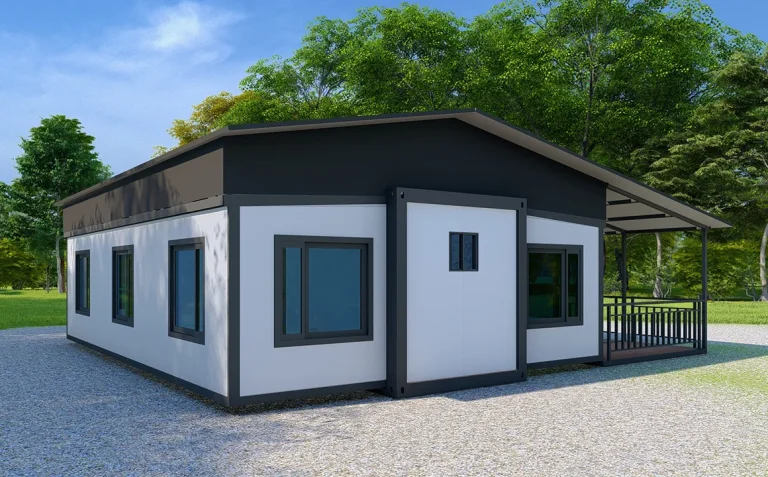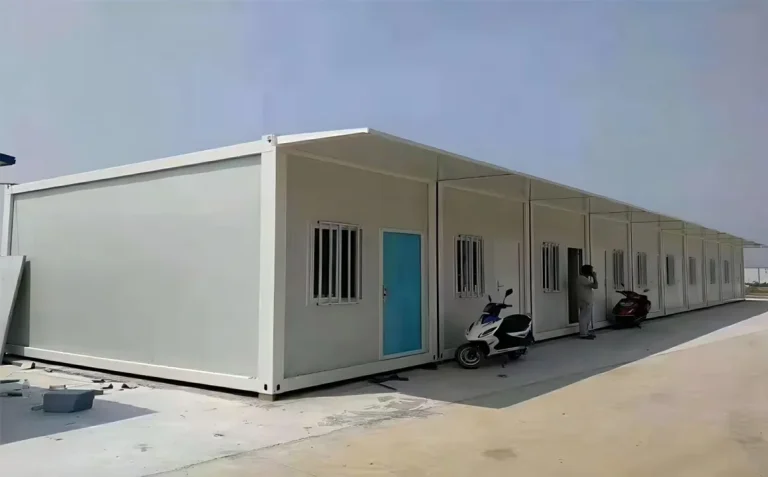








A shipping container can look strong, but it still needs a safe base. If the ground is uneven, wet, soft, or poorly prepared, the whole container home may tilt, rust, or move. The solution is choosing the right foundation for shipping containers before installation starts.
The best foundation for a shipping container home depends on soil condition, project use, climate, load, budget, and whether the container house is temporary or permanent. Common options include pier foundation, concrete slab, strip foundation, pile foundation, gravel base, and temporary foundation blocks. A proper foundation keeps the container level, stable, dry, and securely anchored.
Article Outline
Do Shipping Container Homes Need a Foundation?
Why Is a Shipping Container Foundation Important?
What Are the Main Types of Shipping Container Foundations?
Is a Pier Foundation Good for a Container Home?
When Should You Use a Concrete Slab Foundation?
What Is a Strip Foundation for Shipping Containers?
When Is a Pile Foundation the Best Foundation?
Can Temporary Foundations Work for Container Houses?
How Do Soil, Drainage, and Climate Affect Foundation Design?
How Should B2B Buyers Choose the Right Foundation?
Do Shipping Container Homes Need a Foundation?
Yes, most shipping container homes need a foundation. The foundation does not always need to be complicated, but the container needs a stable base. A strong base keeps the container level, protects the bottom of the container from moisture, and helps transfer the weight of the container into the ground.
A simple storage container on hard ground may only need a basic temporary foundation. But a shipping container home is different. Once people live inside it, the structure must support furniture, occupants, plumbing, electrical systems, insulation, windows, doors, and sometimes additional roof or porch structures.
For a long-term container home, you’ll need a foundation that matches the local soil and building requirement. General building code guidance for foundations focuses on soil bearing capacity, settlement control, and foundation design according to expected loads.
Why Is a Shipping Container Foundation Important?
A shipping container foundation does three simple jobs: it keeps the container stable, keeps the container off the ground, and keeps the container level. These three things sound basic, but they affect the whole life of the container house.
Without a proper foundation, a container may settle unevenly. Doors and windows may become hard to open. Wall panels may shift. The base of the container may stay wet after rain. Over time, this can cause rust, damage, air leakage, and poor living comfort.
A solid foundation also helps with anchoring. In windy areas, flood-prone areas, or sites with soft ground, the container needs to be attached to the foundation.
For B2B buyers such as contractors, EPC companies, mining operators, and government project owners, the foundation is not a small detail. It is part of project safety, durability, and long-term cost control.
What Are the Main Types of Shipping Container Foundations?
There are different types of shipping container foundations. The most common options include pier foundation, concrete slab, strip foundation, pile foundation, temporary foundation blocks, gravel base, and hybrid foundation systems. Industry guides commonly divide container foundations into temporary, semi-permanent, and permanent categories, depending on service life and project requirements. (Discover Containers)
Here is a simple comparison:
| Foundation Type | Best For | Main Advantage | Main Concern |
|---|---|---|---|
| Pier foundation | Small to medium container homes | Cost-effective and raises container off ground | Needs correct point support |
| Concrete slab | Long-term residential or commercial use | Stable, flat, and strong | Higher cost and more concrete work |
| Strip foundation | Softer soil or linear support needs | Supports along container length | Requires trench and concrete work |
| Pile foundation | Weak soil, flood zones, coastal sites | Deep support and elevation | Needs engineering and equipment |
| Temporary foundation | Short-term camps or movable units | Fast and flexible | Not suitable for every permanent project |
| Gravel base | Storage or simple temporary use | Good drainage and lower cost | May not be enough for housing codes |
The best foundation is not always the most expensive one. The right foundation is the one that matches the project location, ground condition, container load, and expected use.
Is a Pier Foundation Good for a Container Home?
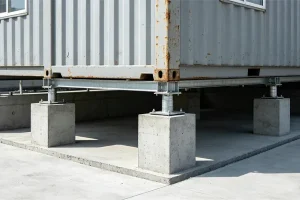
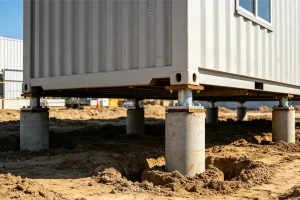
A pier foundation is one of the most common foundations for shipping containers. It uses concrete piers, steel posts, or blocks placed under the container corner points. For longer units, extra support may be placed at the midpoints of the container to spread the weight.
The main advantage of this foundation type is that it keeps the container off the ground. This space helps reduce moisture contact and improves airflow under the base of the container. It can also reduce concrete use compared with a full slab.
A pier foundation may work well for a modular container home, site office, rural cabin, or project accommodation unit. It is often a good balance between cost and stability when soil conditions are suitable. Some container foundation guides also describe pier foundations as popular because they are relatively simple and can support the container corners effectively. (Boxhub)
However, pier foundations must be placed correctly. If the piers are not level, the container may twist. If the soil is weak, the piers may settle. If wind or seismic loads are important, anchoring should be part of your foundation design.
When Should You Use a Concrete Slab Foundation?
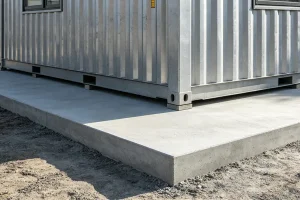
A concrete slab foundation is a strong and stable option for long-term container buildings. It creates a continuous flat surface, so the container on top has even support. A slab foundation is often used when the container home is designed as a permanent residence, office, clinic, classroom, or commercial building.
A concrete slab foundation can help reduce movement, improve floor stability, and support heavier interior layouts. It also works well when buyers want a cleaner finish around the building. For example, a slab can be integrated with a porch, walkway, drainage channel, or external platform.
The disadvantages are cost and preparation time. A concrete foundation needs excavation, formwork, reinforcement, curing time, and accurate leveling. It may not be the best option for temporary camps or remote sites where fast relocation is required.
Use a slab foundation when:
- The container home is permanent
- The soil is suitable for shallow foundation work
- The project needs strong and even support
- The building will include plumbing and fixed utilities
- The buyer wants a clean, durable, long-term base
For permanent housing or public projects, local engineers should confirm the slab thickness, reinforcement, drainage, and load requirements.
What Is a Strip Foundation for Shipping Containers?
A strip foundation supports the container along two long lines instead of only at several points. It is also known as a trench foundation or continuous footing foundation in many construction discussions. This type of base can be useful when the soil needs more contact area than pier support provides.
A concrete strip foundation can run under the long sides of the container. It gives continuous support and helps spread the weight of your container over a larger area. This can be useful for softer soil or long-term installations where more support is needed.
Industry explanations describe strip foundations as a foundation type that combines some benefits of piles and slabs because it provides larger ground contact than point supports while using less concrete than a full slab.
A strip foundation can be a good option for modular housing projects, worker accommodation camps, and semi-permanent site buildings. But it still needs accurate layout. If the two strip foundations are not level, the container can twist or settle unevenly.
When Is a Pile Foundation the Best Foundation?
A pile foundation is often used when the ground is weak, the site is wet, or the project needs deeper support. Piles transfer the load into deeper, stronger soil layers. This makes them useful for soft soil, coastal areas, flood-prone land, reclaimed land, or heavy modular building projects.
Pile foundations can offer strong support when shallow foundations are not enough. They can also raise the container above ground, which helps in areas with flood risk or poor drainage. In flood design guidance, open foundations such as piles, piers, or columns are often discussed as more suitable in high-risk flood conditions than solid walls, depending on local conditions and code.
A pile foundation is not usually the cheapest option. It needs more engineering and equipment. But when the site has poor soil, flood risk, or high load demands, it may be the safest and most professional foundation solution.
Use pile foundations when:
- Soil bearing capacity is low
- The site is near water
- The project is in a flood-prone area
- The building must be elevated
- The container house is part of a larger permanent project
- Local code requires deeper foundation support
For major B2B projects, pile foundations should be designed by a qualified structural or geotechnical engineer.
Can Temporary Foundations Work for Container Houses?
Yes, a temporary foundation can work for some container houses, especially when the project is short-term. Examples include construction site offices, temporary worker camps, emergency shelters, mobile project rooms, and short-term storage spaces.
Temporary foundations may use concrete blocks, steel supports, compacted gravel pads, timber mats, or adjustable support feet. The main goal is to create a level and dry base for your shipping container. For short-term use, speed and flexibility often matter more than permanent appearance.
However, temporary does not mean careless. Even a temporary container needs support at the right points. It should not sit directly on soft mud, standing water, or uneven ground. The container is still able to move, settle, or twist if the base is poor.
A temporary foundation may be suitable for a folding container house or short-term site unit, but a permanent residence should use a more engineered base.
How Do Soil, Drainage, and Climate Affect Foundation Design?
Soil is one of the most important factors in choosing the right foundation. Hard, compacted soil can support more load than soft, wet, or loose soil. If the ground is weak, the foundation may sink or move. This can affect the stability of your container.
Drainage is just as important. A foundation can prevent many problems by keeping water away from the container bottom. If rainwater stays around the base, it can increase rust risk, damage insulation, and make the site unsafe. Site grading should direct water away from the building area.
Climate also changes the foundation choice. In cold areas, frost depth matters. In coastal areas, corrosion and wind exposure matter. In flood-prone areas, elevation and anchoring matter. In hot desert areas, soil movement and thermal expansion may need attention.
Before placing your container, buyers should check:
- Soil type
- Site slope
- Water drainage path
- Local rainfall
- Flood risk
- Wind load
- Frost depth
- Seismic requirement
- Access for installation equipment
- Local building code
The foundation for your container should be planned as part of the full project, not as an afterthought.
How Should B2B Buyers Choose the Right Foundation?
For B2B buyers, choosing the right foundation starts with the project purpose. A container used for storage has different requirements from a container home used for workers or families. A disaster relief unit has different needs from a permanent school or clinic.
Here is a practical selection table:
| Project Type | Recommended Foundation Direction |
|---|---|
| Temporary construction camp | Temporary blocks, gravel base, or pier support |
| Long-term worker accommodation | Pier foundation, strip foundation, or slab |
| Permanent residential container home | Concrete slab, pier, strip, or engineered pile |
| Flood-prone project site | Elevated pier or pile foundation |
| Remote mining camp | Fast pier, steel support, or hybrid foundation |
| Public school or clinic | Engineered permanent foundation |
| Expandable housing unit | Level platform or reinforced foundation based on load |
| Multi-unit container complex | Engineered integrated foundation solution |
A detachable container house may use a different base than an expandable container house, because the building size, load path, and use case may change after installation.
As a China-based modular container house manufacturer, Sinomega supports customized project-ready housing solutions. We help construction contractors, developers, government project owners, EPC companies, importers, workforce camp builders, NGOs, and industrial operators match the container product with practical site planning.
Foundation Planning Checklist Before Ordering Container Homes
Before ordering a shipping container home, prepare basic site and project information. This helps the factory and local engineer recommend a suitable foundation for your shipping container.
| Item to Confirm | Why It Matters |
|---|---|
| Project location | Affects climate, code, and delivery |
| Unit quantity | Affects foundation layout and batch planning |
| Container size | Affects support points |
| Building use | Temporary or permanent foundation choice |
| Soil condition | Affects bearing capacity |
| Drainage condition | Helps prevent rust and settlement |
| Wind or seismic risk | Affects anchoring |
| Flood risk | May require elevated foundation |
| Interior layout | Affects weight distribution |
| Utility plan | Plumbing and electrical may need slab or trench planning |
| Installation method | Determines equipment and access |
| Local permit rules | Affects design approval |
If you want to review application examples before planning, Sinomega’s project cases can help you understand how modular container houses are used in camps, site offices, emergency housing, and infrastructure projects.
Case Study: Foundation Choice for a Workforce Camp
A workforce camp construction company needed modular housing for a mining project. The site was remote, and the project schedule was tight. The buyer wanted fast installation, stable living units, and lower site labor.
At first, the buyer considered placing a shipping container on the ground. After checking the site, this was not recommended. The soil was uneven, and rainwater could collect around the base. This would create rust risk and make doors harder to operate over time.
The recommended solution was a pier foundation with additional midpoints under longer units. This kept the container off the ground, improved airflow, made leveling easier, and reduced moisture contact. For common living units, the buyer used repeatable foundation points so installation teams could work faster.
For future expansion, the camp owner could add more units using the same foundation pattern. This made the project easier to manage and more scalable.
When Should You Ask for a Foundation Quote?
You should ask for a foundation-related container house quote before production begins, not after delivery. The factory needs to understand how the container will be used and how the site will support it.
Before requesting a quote, prepare:
Country and project location
Required number of units
Container type and size
Use: home, camp, office, school, clinic, shelter
Expected project duration
Soil condition if available
Flood or wind risk
Required interior layout
Delivery schedule
Installation plan
Local contractor capability
You can start by sending project details through Sinomega’s container house quote page. A clear request helps the manufacturer recommend a suitable product structure and support your foundation discussion with local engineers.
FAQs About Shipping Container Home Foundations
What is the best foundation for a shipping container home?
The best foundation depends on soil, climate, use, budget, and whether the container home is temporary or permanent. Pier foundations are common and cost-effective, concrete slabs are strong and stable, strip foundations provide continuous support, and pile foundations are better for weak soil or flood-prone sites.
Can I put a shipping container directly on the ground?
It is not recommended for a container home. Direct ground contact can cause moisture problems, uneven settlement, rust, and poor leveling. Even a basic temporary foundation is better than placing the container directly on soil.
Is a concrete slab foundation necessary?
Not always. A concrete slab is a good option for permanent homes, offices, clinics, and public buildings. But pier foundations, strip foundations, and pile foundations may also work depending on the site and design.
How many piers does a shipping container need?
A basic container often needs support at its four corners. Longer or heavier units may need extra support at midpoints. The final number depends on container size, weight, interior load, soil bearing capacity, and local engineering requirements.
What foundation is best for soft soil?
For soft soil, a pile foundation or engineered strip foundation may be better. The goal is to transfer the load into stronger ground or distribute the weight over a larger area.
Do expandable container homes need a different foundation?
They may. An expandable container home changes size after opening, so the support area and load distribution must be considered carefully. The foundation should be level, stable, and sized for the expanded layout.
Do container homes need to be anchored?
In many projects, yes. Anchoring may be required for wind, flood, seismic safety, or local code compliance. The anchor design should connect the container corner or frame to the foundation.
Key Takeaways
Most container homes need a foundation to stay level, stable, dry, and safe.
Common shipping container foundation options include pier foundation, concrete slab, strip foundation, pile foundation, temporary foundation blocks, and gravel base.
The best foundation depends on soil condition, climate, use, load, budget, and local building requirements.
Pier foundations are practical and cost-effective for many modular container homes.
Concrete slabs are strong and suitable for permanent buildings.
Strip foundations support along the container length and can work well on softer sites.
Pile foundations are better for weak soil, flood-prone land, and elevated structures.
Temporary foundations can work for short-term camps, site offices, and emergency use, but they still need proper leveling and support.
Good drainage helps protect the bottom of the container and reduce rust risk.
B2B buyers should plan the foundation before ordering the container house, especially for large camps, public projects, industrial sites, and long-term housing.