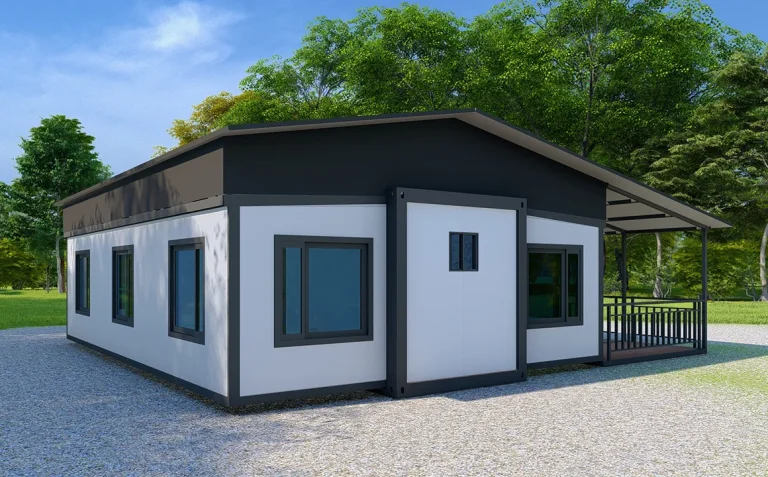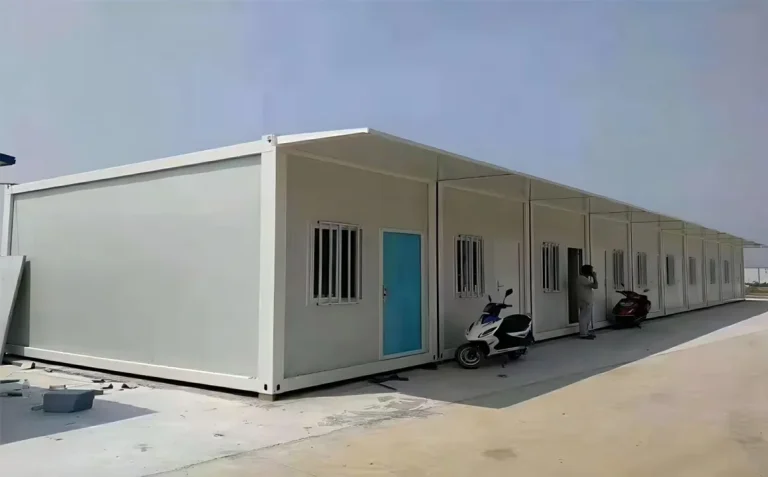








A shipping container can become hot inside when it sits under direct sunlight. Without insulation, ventilation, or roof protection, the internal temperature may rise fast and create discomfort, condensation, or heat damage. The solution is smart design: insulate, vent, shade, and control airflow.
Yes, shipping containers can get very hot inside, especially in hot climates, under direct sunlight, or when used without insulation and ventilation. Because a steel shipping container absorbs heat, the temperature inside can become uncomfortable for people and unsafe for temperature-sensitive items. To keep your shipping container cool, use insulation, vents, reflective roof coating, shade, airflow, and HVAC when needed.
Article Outline
Do Shipping Containers Get Really Hot Inside?
Why Does a Steel Shipping Container Heat Up So Fast?
How Hot Do Shipping Containers Get in Summer?
Why Are Insulation and Roof Design So Important?
How Can Ventilation and Airflow Keep a Container Cooler?
Should You Use HVAC, Air Conditioning, or a Refrigerated Container?
What Type of Insulation Works Best for Container Homes?
How Can You Protect Items Inside from Heat Damage?
Are Container Homes Comfortable in Hot Climates?
What Should B2B Buyers Ask Before Ordering a Modified Container?
Do Shipping Containers Get Really Hot Inside?
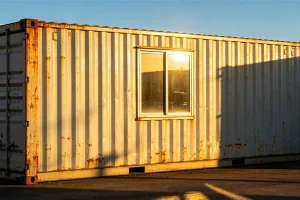
Yes, shipping containers get hot inside when they are exposed to sun, high heat, and poor airflow. A standard container is made from steel, and steel absorbs heat quickly. When the sun hits the roof and walls for many hours, the temperature inside can rise much higher than the outdoor air temperature.
This is why an unmodified storage container can feel like a metal box in summer. If there is no vent, no shade, no insulation, and no air movement, the air inside becomes trapped. For simple storage, this may damage some goods. For a shipping container home, it can make the living space uncomfortable.
Sinomega manufactures folding, detachable, flat pack, and expandable modular container houses for global construction, housing, camp, office, clinic, and school projects, with customization options for insulation, windows, doors, interiors, and electrical systems. For project buyers, heat control should be planned before production, not after installation.
Why Does a Steel Shipping Container Heat Up So Fast?
A steel shipping container heats up fast because steel conducts heat. When the outside surface gets hot, heat moves through the metal wall and roof into the interior. This is especially clear under direct sunlight.
Dark colors also absorb more solar heat. If the container exterior is dark blue, dark green, red, or black, it may absorb more heat than a light-colored or reflective surface. A roof receives the strongest sun exposure, so roof design is one of the most important parts of temperature control.
The U.S. Department of Energy explains that cool roofs are designed to reflect more sunlight than conventional roofs and absorb less solar energy, which helps lower building temperature. It also notes that conventional roofs can reach 150°F or more on sunny summer afternoons.This same principle matters for container homes because the roof is often the biggest heat-gain surface.
How Hot Do Shipping Containers Get in Summer?
Many buyers ask, “How hot do shipping containers get?” The exact answer depends on climate, sun exposure, color, airflow, roof design, insulation, and how the container is used. In hot sun, an uninsulated steel container can get extremely hot inside.
The internal temperature may rise quickly because the steel shell absorbs heat and the air inside has limited escape. If the doors are closed, the air inside warms up and stays trapped. This can be risky if the container stores temperature-sensitive items, tools, electronics, chemicals, furniture, documents, food packaging, or perishable goods.
For container homes, the issue is comfort and safety. A home cannot depend on steel walls alone. It needs insulation, ventilation, shade, suitable windows, and sometimes an air conditioner or split HVAC system.
Why Are Insulation and Roof Design So Important?
Insulation slows heat transfer. Without insulation, the steel wall and roof can pass heat into the room quickly. With insulation, the heat moves more slowly, making the interior easier to control.
For a shipping container home, the roof is especially important. The roof receives strong sun exposure. If the roof has no insulation, no shade, and no reflective coating, the inside can become hot even when the walls are insulated.
The U.S. Pacific Northwest National Laboratory explains that air sealing, insulation, and roof venting can help reduce solar heat gain through the roof and keep a home from overheating. The EPA also explains that a cool roof absorbs and transfers less heat from the sun to the building than a conventional roof, with solar reflectance and thermal emittance as key performance factors.
For modular housing buyers, this means roof design is not a small detail. It affects comfort, HVAC load, energy efficiency, and long-term usability.
How Can Ventilation and Airflow Keep a Container Cooler?
Ventilation helps hot air escape. When air inside the shipping container cannot move, heat builds up. A vent system allows hot air to leave and cooler air to enter. This improves airflow and helps keep the inside cool.
Common ventilation options include:
- Side wall vents
- High and low vents
- Exhaust fans
- Turbine vents
- Roof-mounted vents
- Bathroom and kitchen ventilation fans
- Window openings
- Louvered vents
- Mechanical ventilation systems
For simple storage, passive vents may be enough. For living spaces, offices, clinics, classrooms, or site accommodation, better ventilation and HVAC planning may be needed. A modified container should be designed according to its intended use.
Ventilation also helps with heat and humidity. In high humidity areas, trapped moisture may cause mildew, odor, and condensation. A dehumidifier may help in humid climates, especially when the container is used for storage needs or living spaces.
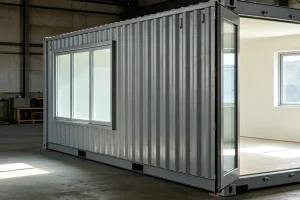
Should You Use HVAC, Air Conditioning, or a Refrigerated Container?
For people living or working inside a container, HVAC may be needed. Insulation and ventilation help reduce heat, but in extreme heat, an air conditioner may still be required.
A through-wall air conditioner, split HVAC system, or commercial through-wall unit can help control the interior temperature. But HVAC works best when the container is insulated and sealed correctly. If there are large gaps, poor insulation, or too much hot air entering, the air conditioning unit must work harder.
A refrigerated container, also called a reefer, is different. It is designed for temperature-controlled cargo such as food, medicine, or other perishable goods. If you are shipping perishables, a reefer may be the right choice. But for a modular home, office, or camp unit, a properly insulated and ventilated container house is usually more suitable than a cargo reefer.
Use this simple guide:
| Use Case | Recommended Cooling Method |
|---|---|
| Basic tool storage | Passive vents, shade, light roof coating |
| Furniture or documents | Vents, insulation, dehumidifier |
| Electronics storage | Insulation, ventilation, climate control |
| Container office | Insulation, windows, HVAC |
| Container home | Insulation, ventilation, air conditioning |
| Food or medicine transport | Refrigerated container / reefer |
| Hot construction site camp | Insulation, reflective roof, HVAC, shaded layout |
What Type of Insulation Works Best for Container Homes?
The best type of insulation depends on climate, budget, fire requirements, interior design, and project use. Common options include rock wool sandwich panels, polyurethane panels, fiberglass, rigid foam board, and spray foam insulation.
Spray foam can seal gaps well and reduce air leakage when applied correctly. Panel systems can support faster factory production and clean interior finishing. Rock wool panels may be preferred when fire performance is important. The right choice depends on the project’s climate and local requirements.
For Sinomega modular housing projects, insulation is usually planned together with wall panels, roof panels, window openings, electrical systems, and HVAC needs. A flat pack house may use a different assembly logic from a detachable container house, so insulation design should match the product structure.
A good container home should not only look finished. It should stay comfortable in real weather.
How Can You Protect Items Inside from Heat Damage?
If you use a shipping container for storage, heat can damage the items inside. Paint, candles, batteries, electronics, furniture, fabrics, leather goods, documents, plastics, food ingredients, and chemical products may suffer under extreme temperatures.
To reduce heat damage, use these steps:
| Problem | Practical Solution |
|---|---|
| Hot sun on roof | Add reflective paint or roof shade |
| Trapped air inside | Add vents or exhaust fans |
| Heat-sensitive storage | Add insulation or climate control |
| High humidity | Use a dehumidifier and ventilation |
| Dark exterior color | Choose light color coating |
| Direct ground heat | Raise the container and improve airflow |
| Poor air movement | Add high-low vent design |
| Perishable goods | Use refrigerated or temperature-controlled storage |
If you are using your shipping container for temperature-sensitive storage, do not rely on a standard container alone. You need a real cooling plan.
Are Container Homes Comfortable in Hot Climates?
Yes, container homes can be comfortable in hot climates if they are designed correctly. The key is to avoid treating a container home like a simple cargo box. A home needs insulation, windows, ventilation, shading, roof protection, and interior comfort planning.
A comfortable shipping container home in a hot climate may include:
- Insulated wall and roof panels
- Reflective roof coating
- Proper vents
- HVAC or air conditioning
- Window shading
- Light exterior color
- Raised foundation for airflow
- Moisture control
- Interior ceiling space when possible
- Roof overhang or secondary shade roof
A folding container house can be useful for fast-moving projects, while an expandable container house can provide more interior space after deployment. The cooling plan should match the product type, project climate, and occupancy level.
For B2B buyers, this matters because a project may involve hundreds of people. Poor thermal comfort can lead to complaints, higher energy use, and faster equipment wear.
What Should B2B Buyers Ask Before Ordering a Modified Container?
Before ordering a modified container, buyers should ask about heat control early. This is especially important for construction camps, mining projects, government housing, disaster relief, temporary clinics, schools, and office units.
Useful questions include:
- What is the project climate?
- Will the container sit under direct sunlight?
- Is the unit for storage, office, or living space?
- What insulation material will be used?
- How will the roof reduce heat absorption?
- Are vents included?
- Is HVAC needed?
- Will the container include bathroom or kitchen areas?
- Are windows shaded or double-glazed?
- Is humidity control needed?
- What is the expected energy efficiency target?
- Can the layout support maintenance access?
A good supplier should not only sell a container. It should provide a complete solution that matches climate, layout, shipping, assembly, comfort, and maintenance needs.
Sinomega’s project cases show modular container buildings used for worker accommodation, construction site offices, emergency sheltering, and industrial support facilities. If your project has special climate requirements, you can request a container house quote with location, quantity, layout, and cooling requirements.
Case Study: Cooling Plan for a Hot-Climate Workforce Camp
A construction contractor needed modular housing for a hot, dry project site. The buyer first asked for standard containers because the budget was tight. But the site had strong sun exposure, and the rooms would be used as living spaces.
The recommended plan included insulated wall panels, insulated roof panels, light exterior coating, high-low ventilation, shaded outdoor walkways, and split air conditioning units. The design also raised the units slightly off the ground to improve airflow under the floor.
This changed the project from “cheap boxes” into usable housing. The contractor reduced complaints, improved worker comfort, and made the units more suitable for long-term site use.
The lesson is simple: a container can get very hot, but the right design can control the heat.
Shipping Container Cooling Options Comparison
| Cooling Option | Best For | Main Benefit | Limitation |
|---|---|---|---|
| Passive vents | Storage and basic units | Low cost, no power needed | Limited in extreme heat |
| Exhaust fans | Workshops, storage, offices | Moves hot air out | Needs power |
| Roof vents | Hot air release | Helps roof-level heat escape | Works best with air intake |
| Reflective paint | Hot sunny climates | Reduces heat absorption | Needs correct coating maintenance |
| Insulation | Homes, offices, clinics | Slows heat transfer | Takes interior space |
| HVAC | Living and working areas | Strong temperature control | Higher power use |
| Shade roof | Camps and long-term sites | Reduces direct roof heat | Adds structure and cost |
| Refrigerated container | Perishable goods | Temperature-controlled | Not ideal as normal living unit |
The best cooling plan often combines several methods instead of relying on only one.
What About Asphalt, Pavement, and Site Layout?
A container placed on hot asphalt may feel warmer because the ground around it stores and releases heat. Pavement, dark gravel, and nearby metal surfaces can increase heat around the unit. This is why site layout matters.
For hot projects, buyers should consider:
- Light-colored ground surfaces
- Shade trees or shade structures
- Space between units
- Wind direction
- Roof orientation
- Covered walkways
- Raised foundation
- Drainage and airflow under the unit
- Avoiding heat-trapping corners
A container house is part of a site system. The same unit may feel cooler or hotter depending on where and how it is placed.
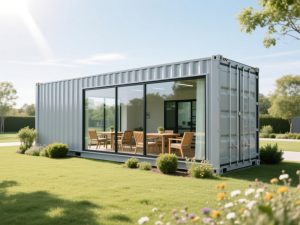
Container House
FAQs About Shipping Container Heat Control
Do shipping containers get really hot inside?
Yes. Shipping containers can get very hot inside when exposed to direct sunlight, high outdoor temperature, poor ventilation, and no insulation. Because they are made from steel, they absorb and transfer heat quickly.
How can I keep my shipping container cool?
To keep your shipping container cool, use insulation, vents, exhaust fans, reflective roof coating, shade, light exterior colors, and HVAC if people will live or work inside.
Do container homes need insulation?
Yes. A container home usually needs insulation for comfort, energy efficiency, and condensation control. Without insulation, the steel shell can become too hot in summer and too cold in winter.
Is a refrigerated container the best option for heat control?
A refrigerated container is best for temperature-sensitive cargo and perishable goods. For homes, offices, classrooms, or camps, a modified and insulated container with HVAC is usually more practical.
Can ventilation alone keep a container cool?
Ventilation helps, but it may not be enough in extreme heat. For living spaces, ventilation should be combined with insulation, roof protection, shading, and sometimes air conditioning.
What is the best roof solution for hot climates?
A good hot-climate roof solution may include insulation, reflective coating, roof ventilation, shade roof, or a secondary roof structure. The best choice depends on climate, budget, and intended use.
Can heat damage items inside a storage container?
Yes. Heat can damage electronics, plastics, furniture, documents, batteries, paint, chemicals, and perishable products. For temperature-sensitive items, add insulation, ventilation, or climate control.
Are container homes suitable for tropical climates?
Yes, container homes can work in tropical climates when designed with insulation, ventilation, moisture control, air conditioning, corrosion protection, and suitable roof design.
Key Takeaways
Shipping containers can get very hot inside, especially under direct sunlight.
A steel shipping container absorbs and transfers heat quickly.
Uninsulated, unvented containers are not ideal for people or temperature-sensitive items.
Insulation, ventilation, reflective roof coating, shade, and HVAC help keep the inside cool.
Cool roof principles matter because the roof absorbs strong solar heat.
Storage containers may only need vents and shade, but container homes need a complete comfort design.
A refrigerated container is useful for perishable goods, but not usually the best solution for normal living spaces.
Site layout matters: asphalt, dark surfaces, poor airflow, and tight spacing can increase heat.
For B2B projects, cooling design should be discussed before production, especially for camps, clinics, schools, offices, and long-term housing.
A professional modular container house manufacturer can help match insulation, ventilation, HVAC, roof design, and product type to your project climate and use case.