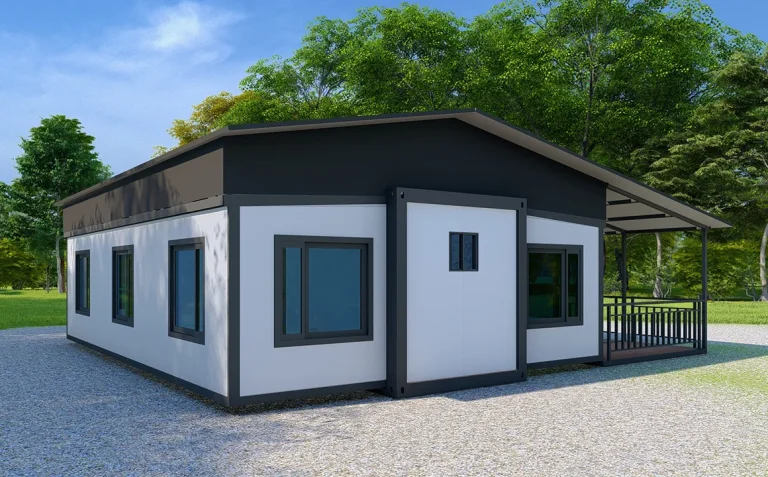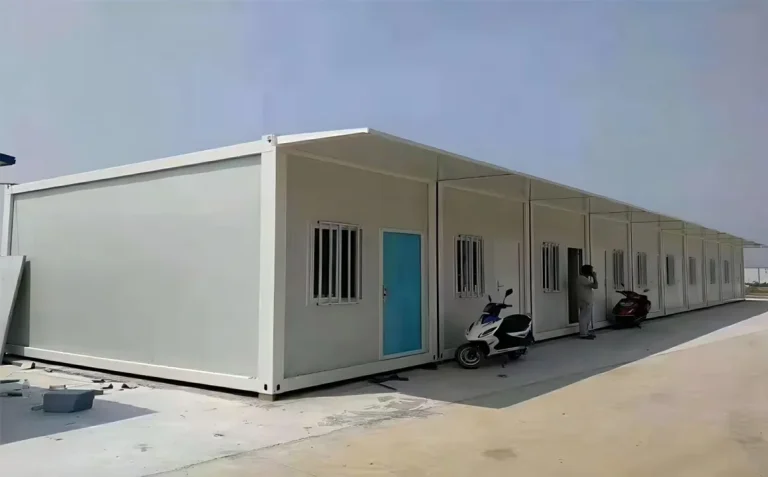








A container home can look strong on day one, but poor rust control, weak insulation, and bad modification can shorten its life fast. For contractors, developers, and project owners, this creates risk. The solution is choosing a well-designed shipping container home system built for long-term use.
A shipping container home can last 25 to 50 years or longer when it uses a high-quality shipping container or steel frame, proper insulation, rust protection, strong waterproofing, and regular maintenance. Climate, container condition, structural design, and project installation all affect the lifespan of a container home.
Article Outline
- What Is the Average Lifespan of a Shipping Container Home?
- Why Are Shipping Containers Built to Last?
- What Factors Influence the Lifespan of a Container Home?
- How Does Rust Affect Shipping Container Home Longevity?
- Why Is Insulation Important for Container Houses?
- Does Climate Change How Long a Container Home Will Last?
- Is a New Shipping Container Better Than a Used Container?
- How Do Folding, Detachable, Flat Pack, and Expandable Container
- Houses Compare?
- How Can You Make Your Shipping Container Home Last Longer?
- How Should B2B Buyers Choose a Reliable Container House Factory?
- FAQs About Shipping Container Home Lifespan
- Key Takeaways
How Long Does a Shipping Container Home Last? Lifespan, Durability, and Container Houses Guide
What Is the Average Lifespan of a Shipping Container Home?
The average lifespan of a shipping container home is usually around 25 to 50 years, depending on design, climate, maintenance, and the condition of the container. A well-built container home can last for decades. A poorly protected one may face rust, leaks, and wear much sooner.
So, how long do shipping container homes last in real projects? The answer is not one fixed number. A simple tiny home in a dry climate may last much longer than a coastal unit exposed to salt air. A container home used for a mining camp may face more wear and tear than a display unit in a real estate sales center.
As a China-based factory specializing in modular container houses, we often explain this to clients: the shipping container home lifespan depends on the whole system. Steel quality matters. So do insulation, roof design, waterproofing, welding, painting, foundation, and after-sale care.
For project buyers, our modular container house project solutions are designed for real construction use, not only simple storage conversion.
Why Are Shipping Containers Built to Last?
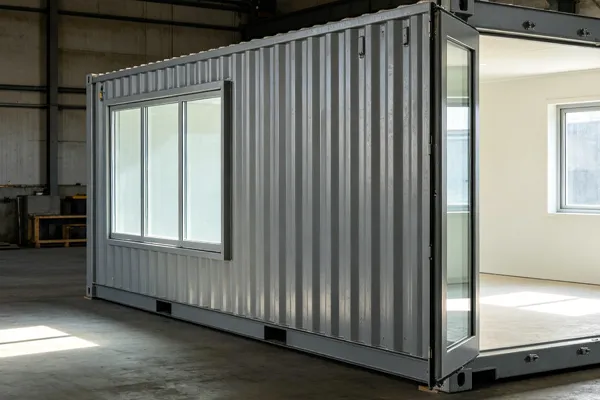
A shipping container is made to carry heavy cargo across sea, rail, and road. It must handle lifting, stacking, vibration, moisture, and shipping across long distances. That is why shipping containers are built with strong steel, corner posts, cross members, and corrugated side panels.
Most shipping containers are made from weathering steel or corten steel. This durable material forms a protective surface layer when exposed to air. That layer helps slow deeper corrosion. It does not mean a shipping container will never rust. It means the steel shipping structure starts with good durability.
A steel shipping container also has a strong frame. The corner castings and posts carry much of the load. The corrugate side panels help the container walls resist bending. This is why many people are building homes made with shipping containers. They see strength, speed, and a ready-made box shape.
However, a container used for shipping is not automatically ready to become a safe living space. Building a shipping container home requires design checks, safe cutting, proper weld quality, insulation, ventilation, and code-aware planning.
What Factors Influence the Lifespan of a Container Home?
Several factors influence the lifespan of a container home. The most important ones are container condition, climate, rust protection, insulation, roof drainage, foundation, and quality of modification. Each point matters. Together, they decide whether the container home will last.
Here is a simple table for project owners:
| Factor | Why It Matters | Risk If Ignored |
|---|---|---|
| Container condition | Affects structural integrity | Hidden rust, weak frame, leaks |
| Climate | Controls moisture and temperature stress | Faster corrosion in humid or coastal areas |
| Insulation | Reduces condensation and heat transfer | Mold, damp walls, poor comfort |
| Roof design | Keeps water away from steel | Rust, leaks, roof damage |
| Foundation | Keeps the unit level and dry | Floor corrosion, door misalignment |
| Modification quality | Protects strength after cutting | Weak walls, cracks, safety issues |
| Maintenance | Extends service life | Small problems become major repairs |
A container home won’t perform well if the project only focuses on low price. Good design saves money later. This is especially true for government housing, worker camps, disaster relief housing, and industrial sites where units must perform every day.
For long-term project planning, our container house manufacturer service supports layout design, steel structure planning, packing, export, and project delivery.
How Does Rust Affect Shipping Container Home Longevity?
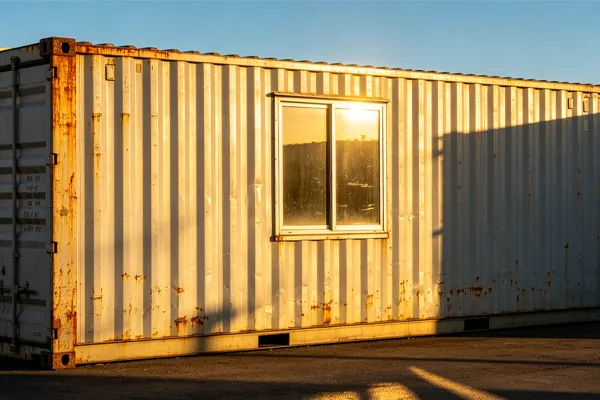
Rust is one of the biggest threats to a shipping container home. Even corten steel can rust if water stays on the surface for too long. Rust and corrosion become worse in coastal areas, rainy regions, tropical climates, and places with moisture and salt.
Corrosion often starts at weak points: scratches, weld areas, cut openings, roof edges, bottom frames, and joints around windows or doors. If a container roof holds water, rust can spread faster. If the underside touches wet ground, the life of a container can shorten.
To control rust, a factory should clean the steel, repair damaged areas, use anti-rust primer, apply proper paint, seal joints, and design good drainage. Buyers should inspect the container roof, bottom frame, weld seams, and door corners before accepting large project orders.
Rust Risk Chart
| Environment | Rust Risk | Suggested Protection |
|---|---|---|
| Dry inland climate | Low to medium | Standard coating and inspection |
| Rainy climate | Medium | Better roof slope and waterproofing |
| Coastal climate | High | Strong anti-corrosion coating |
| Mining or industrial site | Medium to high | Reinforced coating and regular checks |
| Tropical humid area | High | Ventilation, insulation, and moisture control |
With proper care, rust can be controlled. Without it, rust can reduce longevity quickly.
How Long Does a Shipping Container Home Last? Lifespan, Durability, and Container Houses Guide
Why Is Insulation Important for Container Houses?
Insulation is not only about comfort. It also helps protect the container home. Steel conducts heat and cold quickly. Without insulation, the inside of the container can become too hot, too cold, or wet with condensation.
Condensation happens when warm air touches a cold steel surface. Water droplets may form inside the container. Over time, this can damage interior panels, cause mold, and increase rust. Good insulation helps reduce this risk.
Common choices include rock wool, glass wool, polyurethane panels, and spray foam. Spray foam insulation can seal gaps well, but it must be applied correctly. For many B2B projects, insulated sandwich panels are popular because they are clean, fast to install, and easy to standardize.
To insulate a shipping container well, the factory should consider climate, wall thickness, roof system, ventilation, and local building use. A container office in a desert project has different needs from a container dormitory in a cold region.
Our flat pack container house systems can be supplied with insulation options for camps, offices, classrooms, and temporary housing projects.
Does Climate Change How Long a Container Home Will Last?
Yes. Climate has a strong effect on how long your container home will last. Containers in dry climates often perform better because rust develops more slowly. Containers in coastal or humid places need stronger protection because salt and moisture speed up corrosion.
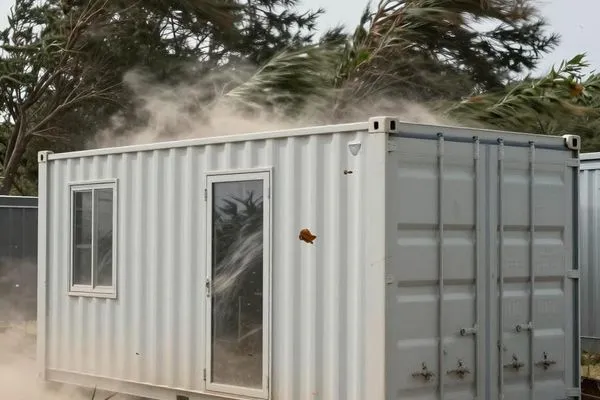
Extreme weather also matters. Strong sun can age paint and sealants. Heavy rain can test roof drainage. Snow loads may require structural design checks. High wind areas need anchoring. Hot areas need better insulation and ventilation.
Project owners should never use one standard design for every country. A shipping container house for the Middle East, Africa, Southeast Asia, Europe, and South America may need different wall panels, roof systems, window choices, and coatings.
This is where factory customization becomes valuable. Instead of buying one basic model, buyers can select a project-ready design based on climate, use, transport method, and local installation needs.
Is a New Shipping Container Better Than a Used Container?
A new shipping container usually offers a longer service life because it has less wear and tear. New shipping containers have fewer dents, less rust, and better coating condition. For high-end container homes, hotels, offices, and long-term living projects, new units are often the better choice.
A used container can still work if it is inspected and repaired well. Used shipping containers are common because they reduce cost and reuse existing steel. But the condition of the container must be checked carefully. Look for deep rust, floor damage, roof dents, bad doors, and frame deformation.
For commercial projects, price should not be the only factor. A used container that needs heavy repair may cost more in the end. A new shipping unit or factory-made modular container house may provide better quality control, easier installation, and longer service.
In many modern projects, buyers do not always use an old storage container. They choose purpose-built modular container houses made with steel frames, insulated panels, and standardized components. This can improve consistency and reduce project risk.
How Do Folding, Detachable, Flat Pack, and Expandable Container Houses Compare?
Not all container houses are the same. A shipping container home made from a reused cargo unit is one option. Factory-made modular container houses are another. Folding, detachable, flat pack, and expandable models are designed for faster transport and installation.
A folding container house is useful when fast site setup is important. It can reduce labor time and help emergency housing, camps, and temporary offices. A detachable container house offers flexible transport and replacement of parts. A flat pack container house is efficient for bulk shipping because units can be packed compactly. An expandable container house creates more living space after opening on site.
| Type | Best Use | Main Advantage |
|---|---|---|
| Folding container house | Disaster relief, quick camps | Fast installation |
| Detachable container house | Long projects, repeat relocation | Flexible parts and transport |
| Flat pack container house | Large B2B orders | Efficient container loading |
| Expandable container house | Housing, site offices, small homes | More space after expansion |
| Shipping container conversion | Unique homes, custom builds | Strong steel shell |
For importers and distributors, the best model depends on target buyers. Contractors may prefer flat pack units. NGOs may need folding houses. Real estate developers may choose expandable layouts. Mining operators may need durable camp units.
Explore our folding container house options, detachable container house systems, and expandable container house designs for different project needs.
How Can You Make Your Shipping Container Home Last Longer?
To make your shipping container home last longer, start with a good base. Choose the right container, factory, coating, roof system, insulation, and foundation. Then keep up with inspection and maintenance.
Here are practical steps:
- Keep the container home off wet ground.
- Repair scratches and paint damage early.
- Inspect roof edges and joints after heavy rain.
- Clean gutters and drainage points.
- Check weld areas and window frames.
- Add proper ventilation to reduce condensation.
- Use suitable insulation for your climate.
- Repaint or refresh coatings when needed.
- Avoid cutting too much steel without reinforcement.
- Use professional design for two containers or multi-unit layouts.
A shipping container can last much longer when water is controlled. Water is the enemy. Good drainage, sealant, coating, and ventilation help extend the life of the building.
For project clients, we also suggest a maintenance schedule. Simple checks every few months can help the lifespan of your container home last as long as possible.
How Long Does a Shipping Container Home Last? Lifespan, Durability, and Container Houses Guide
How Should B2B Buyers Choose a Reliable Container House Factory?
B2B buyers need more than a cheap container home. They need a factory that understands engineering, export packing, customization, loading, documentation, and project delivery. This is especially important for EPC companies, construction contractors, importers, distributors, government buyers, and workforce camp builders.
As a China-based factory, we specialize in modular container houses, including folding, detachable, flat pack, and expandable models. We provide customized, project-ready housing solutions for global B2B construction and project clients. Our goal is clear: help buyers reduce site risk, speed up installation, and build durable living or working spaces.
Before choosing a supplier, ask:
- Can the factory customize size, layout, insulation, doors, windows, and electrical systems?
- Can it support project drawings and technical communication?
- Can it provide stable production for bulk orders?
- Can it load units efficiently for ocean shipping?
- Can it support installation guidance?
- Can it design for climate, site use, and local project needs?
Mini Case Study: Workforce Camp for an Industrial Project
A project contractor needed container houses for a remote industrial site. The buyer needed dormitories, offices, toilets, and a dining area. The site had strong sun, dust, and seasonal rain.
Instead of using basic used shipping containers, the project selected flat pack and detachable container houses with insulated walls, anti-rust coating, and easy transport packaging. The design allowed fast installation, better living comfort, and easier replacement of parts.
The buyer reduced site construction time and improved worker living conditions. That is the real value of a project-ready modular container house.
FAQs About Shipping Container Home Lifespan
How long does a shipping container home last?
A shipping container home can last about 25 to 50 years or longer with good design, rust protection, insulation, and proper maintenance. The exact lifespan depends on climate, container condition, foundation, and build quality.
How long does a shipping container last if used as a home?
A shipping container can last for decades when it is converted correctly. If the structure is protected from rust, water, and poor modification, it may last significantly longer than a poorly maintained container used only for storage.
Can a container home last as long as traditional homes?
Some container homes can last as long as traditional homes if they are designed, insulated, protected, and maintained well. However, a container home needs special attention to steel protection, condensation, and structural cutting.
What causes a container home to fail early?
The most common causes are rust, water leaks, poor roof drainage, weak insulation, bad welding, too much cutting without reinforcement, and poor foundation design. These problems can affect the lifespan quickly.
Do shipping container homes rust?
Yes, shipping container homes can rust. Corten steel resists corrosion better than common steel, but it still needs coating, inspection, and maintenance. Coastal and humid areas need stronger rust protection.
Are modular container houses better than used shipping container homes?
For large B2B projects, modular container houses often offer better consistency, faster installation, easier transport, and more predictable quality. Used shipping containers can work, but they need careful inspection and repair.
Key Takeaways
- A shipping container home can last 25 to 50 years or longer with proper design and maintenance.
- Rust, corrosion, condensation, and poor modification are the biggest risks.
- Climate strongly affects the lifespan of a shipping container home.
- New shipping containers usually offer better durability than heavily used containers.
- Good insulation helps comfort and protects the inside of the container from condensation.
- Folding, detachable, flat pack, and expandable container houses offer different advantages for B2B projects.
- A reliable China container house factory should support customization, export packing, project drawings, and installation guidance.
- For contractors, developers, government projects, NGOs, and industrial camps, project-ready modular container houses can reduce time, cost, and site risk.