






Project housing can fail fast when delivery is slow, quality is uneven, or installation is too hard. That delay costs money. It also slows labor, camp setup, and site progress. A reliable expandable container house factory solves this with faster, safer, and more flexible building solutions.
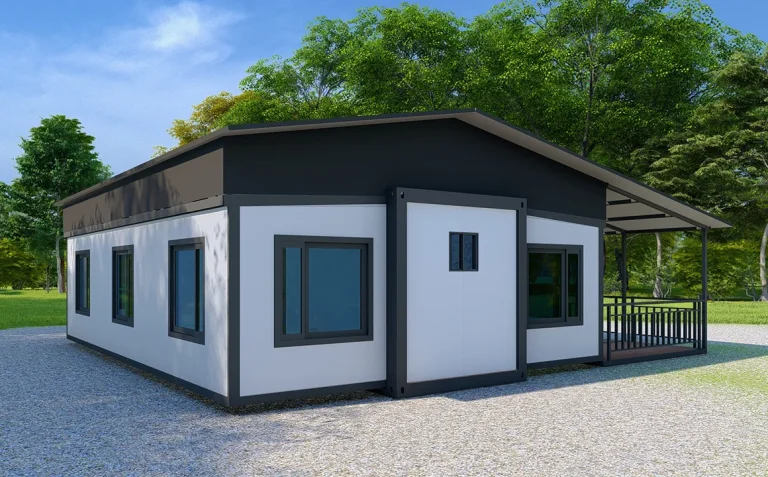
An expandable container house factory supplies ready-to-install modular buildings such as container house, folding container house, flat pack units, and 40ft expandable container models for living, office, camp, and project use. The right supplier offers strong customization, stable quality, efficient production, and practical layouts that help contractors and developers build faster with lower site risk.
Outline
What does an expandable container house factory really do?
Why is an expandable container house a smart choice for project buyers?
How do folding, flat pack, and modular container systems differ?
What sizes should you choose: 20ft, 40ft, or 20ft 40ft mixed projects?
What materials matter most in a prefabricated house?
How do you evaluate a container house supplier in China?
Can a container home work for camps, offices, and living spaces?
What customization options should B2B buyers ask for?
How does factory quality control affect long-term project cost?
Why are prefab and modular homes becoming more popular worldwide?
What does an expandable container house factory really do?
A professional expandable container house factory does much more than assemble boxes. It designs, engineers, produces, packs, and ships project-ready housing systems for buyers who need speed and consistency. A good factory can supply an expandable container house, folding house, flat pack container, and other modular solutions based on different budgets, site limits, and local regulations.
For B2B clients, this matters a lot. Construction contractors, EPC firms, camp builders, and government buyers do not just want a basic container house. They want a reliable system that is easy to transport, fast to install, and simple to scale. That is why many buyers now look for a container house manufacturer that can support planning, layout, and after-sales coordination, not just production.
As a China-based factory specializing in modular container housing, we have seen how project needs change from one country to another. Some clients need a portable container house for site offices. Some want a prefab house for living in remote camps. Others ask for customized container rooms for healthcare, classrooms, or temporary housing. The factory’s role is to turn those needs into workable, repeatable building solutions.
Why is an expandable container house a smart choice for project buyers?
The biggest benefit is speed. A well-designed expandable container house arrives with most major parts already prepared. That cuts site labor and helps teams start using the building sooner. For projects with tight schedules, this is often the difference between staying on target and losing time.
There is also a clear cost advantage. A prefab house or prefabricated container house reduces wet work, lowers site waste, and simplifies the installation process. That makes it attractive for workforce accommodation, field offices, emergency response, and phased development. A movable and expandable portable solution is especially useful when site needs change over time.
Many buyers also like flexibility. A single container home can work as a dorm, clinic, office, guard room, or sales center. A larger house expandable container setup can combine multiple units for more bedrooms, washrooms, or shared spaces. This makes the expandable living concept practical for both short-term and long-term use.
How do folding, flat pack, and modular container systems differ?
These terms are often mixed together, but they are not the same. A folding container house is designed to collapse for easy transport and then open quickly on site. A flat pack container ships in separate components and is assembled at the destination. A modular container or modular house usually comes as a more integrated unit or system that can be combined into larger structures.
Here is a simple comparison table:
| Type | Main feature | Best for | Shipping efficiency | Site installation |
|---|---|---|---|---|
| Folding container house | Folds for compact transport | Fast temporary projects | High | Very fast |
| Flat pack container | Packed in parts | Remote delivery and bulk orders | Very high | Moderate |
| Expandable container house | Expands into larger usable space | Living and office use | High | Fast |
| Modular container | Flexible unit combination | Camps, schools, clinics | Medium to high | Fast to moderate |
A prefabricated folding unit is often a smart choice when speed matters most. A flat pack system fits buyers who want to reduce freight cost and handle assembly with local crews. A modular prefabricated setup is useful when larger buildings need repeated layouts. Each option works well when matched to the right project.
What sizes should you choose: 20ft, 40ft, or 20ft 40ft mixed projects?
Size depends on use, transport rules, and layout goals. A 20ft unit is easier to move and works well for a guard room, clinic room, toilet block, or house office. A 40ft model gives more usable area and suits dormitories, meeting rooms, or family living layouts. In many larger projects, buyers use a 20ft 40ft mix to balance cost, function, and transport efficiency.
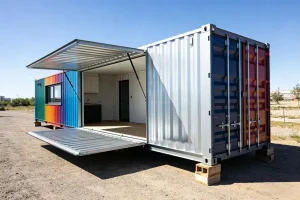
The 40ft expandable container house is especially popular because it opens into a much wider internal space while still shipping efficiently. A 40ft expandable container can support practical layouts with bedrooms, bathrooms, and open living areas. That makes it a good choice for camps, temporary communities, and sales or service spaces.
Below is a quick planning guide:
20ft: guard room, office, toilet, kiosk, small clinic
40ft: dormitory, classroom, meeting room, family unit
20ft 40ft mixed projects: worker camps, site compounds, modular schools, phased developments
A well-planned project may also include a tiny house expandable container or tiny mobile unit for single-person accommodation or management offices. The key is to select the size that fits real use, not just the freight rate.
What materials matter most in a prefabricated house?
The best prefabricated house is only as good as its structure and insulation. Buyers should pay close attention to the steel structure, roof system, wall build-up, floor support, door and window quality, and anti-corrosion treatment. In project housing, long-term performance often matters more than the lowest first price.
Common wall materials include sandwich panel systems with eps insulation or rock wool, depending on climate and fire requirements. A good frame may use light steel structure components with treated steel members that help galvanize resistance performance. In some products, color steel or color steel plate finishes improve durability and appearance.
Here is what serious buyers usually check:
Steel thickness and frame design
Insulation type such as eps
Wall and roof sandwich panel quality
Floor bearing capacity
Door, window, and sealing details
Surface treatment for weather protection
For many overseas projects, especially mining camps and industrial areas, material quality affects maintenance cost, comfort, and service life. A true steel structure prefabricated house should be built for transport, repeated use, and different climate conditions.
How do you evaluate a container house supplier in China?
Not every supplier in china is equal. A strong container house supplier should show clear manufacturing capability, project experience, export knowledge, and responsive communication. The best partners can provide layout suggestions, technical confirmation, packing details, and real production timelines.
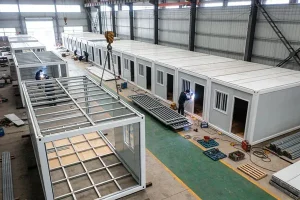
Ask direct questions. Does the factory covers an area large enough for organized production? Does it have a team specializing in the research and development of modular housing? Can it show photos or videos of production and packing? How does it handle strict quality control? These questions quickly tell you whether the factory is serious or only trading.
Use this checklist when comparing options:
| Evaluation point | What to ask |
|---|---|
| Production capacity | How many units per month can you supply? |
| Engineering support | Can you assist with layout and technical drawings? |
| Export experience | Which countries and regions do you serve? |
| Quality process | What inspection points do you use before shipment? |
| Customization | Can you offer a customized container solution? |
| Reliability | How do you prove your commitment to quality? |
A good leading container housing partner should also understand B2B project rhythm. Real estate developers want schedule certainty. NGOs need fast response. EPC firms need stable documents. Importers need repeatable specifications. Many foreign customers return to the same supplier because good support saves time on every order.
Can a container home work for camps, offices, and living spaces?
Yes, and that is one reason demand keeps growing. A modern container home is no longer limited to basic temporary shelter. Today, a prefab home, mobile home, or house expandable container home can include bedrooms, toilets, showers, kitchenettes, meeting areas, and even reception spaces.
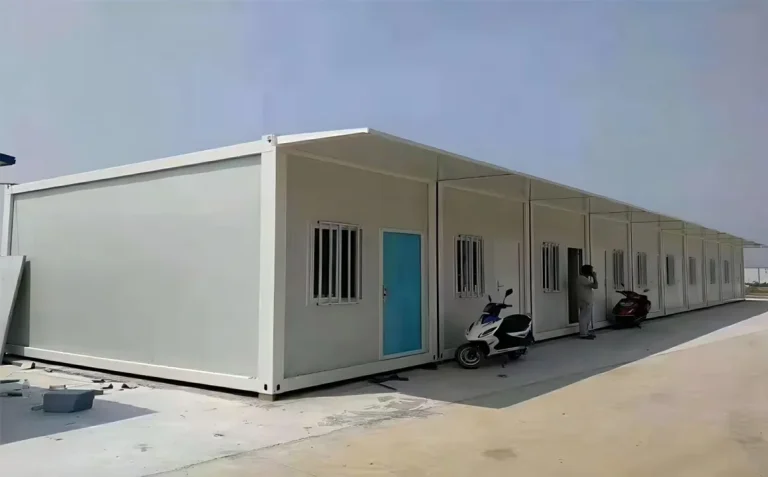
In workforce housing, a mobile container house can support site accommodation with fast setup and relocation potential. In real estate or municipal use, a home prefabricated solution can act as a sales office, sample room, or temporary service center. For NGOs and emergency projects, a portable mobile unit can be deployed quickly where traditional building is too slow.
Here is a sample use-case chart:
| Application | Recommended product |
|---|---|
| Workforce camp | Expandable container house + flat pack toilets |
| Site office | 20ft office unit or house office model |
| Family living | 40ft expandable container house |
| Emergency shelter | Folding container house |
| Remote clinic/classroom | Prefabricated expandable unit |
This kind of versatility explains why prefabricated homes and modular homes are getting more attention worldwide. Buyers want buildings that are quick, flexible, and ready for real work.
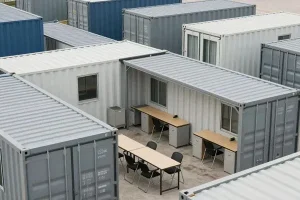
construction worker housing
What customization options should B2B buyers ask for?
Customization matters because projects are never all the same. A mine camp needs different ventilation than a coastal sales office. A labor accommodation block needs different bedroom density than a tourism tiny house or luxury prefab unit. Good factories offer solutions to meet these real needs instead of pushing one standard design.
Important customization areas include:
Internal layout and number of bedrooms expandable options
Door and window placement
Electrical and plumbing configuration
Insulation level and climate adaptation
Exterior finish and brand color
Optional stairs, corridors, and canopy systems
Some clients also ask for container house luxury features such as better interior panels, integrated bathrooms, decorative ceilings, and improved façades. Others want highly practical models like a prefab t house, a home folding house, or a mobile tiny office for quick field deployment. The value of customization is simple: better fit means better project performance.
How does factory quality control affect long-term project cost?
Quality is not just about appearance on delivery day. It affects how the unit performs after transport, installation, rain, heat, and repeated use. Poor welding, weak seals, or low-grade materials can create problems quickly. That means extra repair, site delay, and client complaints.
A factory with strict quality control checks raw materials, dimensions, welding, coating, door and window fit, wiring, plumbing, and final packing. That process protects the buyer. It also supports brand reputation for importers and distributors. In our experience, high quality prefabricated units reduce hidden cost far more than small upfront savings ever can.
Case study example:
One contractor compared two suppliers for a camp project. The cheaper option looked acceptable in photos. But after installation, the sealing performance, floor alignment, and door fit created delays. The better factory cost slightly more, yet its units installed faster and needed fewer corrections. Total project cost was lower with the better product.
This is why experienced buyers focus on whole-life value. A strong container house prefabricated solution should arrive ready to work, not ready to fix.
Why are prefab and modular homes becoming more popular worldwide?
The shift is clear. Buyers in multiple countries and regions want faster building systems that reduce labor pressure, improve site control, and support environmental protection goals through less waste and more efficient production. That is why prefab, prefabricate, and modular construction continue to grow in many sectors.
Another reason is adaptability. A shipping container house, house shipping concept, or integrated prefab building can serve temporary needs now and still be moved or reused later. This fits camps, disaster response, education, energy projects, and temporary municipal housing. The movable nature of these units is a major advantage.
Finally, project buyers now expect more from temporary buildings. They want comfort, clean design, better insulation, and faster delivery. A well-made house container can now support real living and working standards, measured in practical square meters, not just emergency shelter thinking. That change is driving demand for smarter integrated housing solutions around the world.
FAQs
What is the difference between an expandable container house and a folding container house?
An expandable container house opens outward to create more usable indoor space. A folding container house is designed to fold for easier transport and fast deployment. Both are useful, but they serve slightly different project needs.
Is a 40ft expandable container house good for living use?
Yes. A 40ft expandable container house is often used for living because it offers more space for bedrooms, bathrooms, and open areas. It is a popular option for camps, family units, and temporary communities.
Can a container house be customized for office and camp projects?
Yes. Most B2B buyers ask for custom layouts, power systems, windows, insulation, bathrooms, and exterior finishes. A good factory should provide customized container solutions for living and office use.
What should I ask a container house supplier before ordering?
Ask about production capacity, materials, lead time, export experience, insulation, structural details, and quality inspection. Also confirm whether the supplier can support documents, packing, and project-specific customization.
Are prefab container houses easy to transport?
Yes. That is one of their main advantages. Flat pack container, folding box, and expandable models are designed to improve transport efficiency compared with traditional building methods.
Why do many project buyers choose supplier in China?
Because an experienced supplier in china can often offer a strong balance of cost, customization, production scale, and export support. The key is choosing a factory with proven quality and responsive communication.
Final thoughts
Choosing the right container house supplier is not just a purchasing task. It is a project decision. The right factory helps you build faster, plan better, and reduce risk across transport, installation, and long-term use.
As a China-based manufacturer serving global B2B clients, we believe practical design, stable quality, and clear service make the real difference. Whether you need a folding container house, a prefabricated house, or a complete expandable container home solution, the goal is the same: deliver project-ready space that works in the real world.
Key things to remember
A professional expandable container house factory offers more than production; it supports planning, customization, and delivery.
Expandable container house, flat pack, and folding systems each fit different project needs.
20ft and 40ft sizes should be chosen based on use, transport, and layout efficiency.
Material quality, insulation, and steel structure details matter more than the cheapest quote.
A strong container house supplier should prove export experience, factory capability, and commitment to quality.
Good customization helps camps, offices, clinics, and living spaces perform better.
Real long-term value comes from strict quality control and dependable project support.
Demand for prefab, modular, and integrated housing solutions is growing across many global markets.