







Author: Sinomega House Technical Team | Published: September 21, 2026 | Information basis: current Sinomega product data and project-specific quotation requirements
A folding container house price requires a project quotation because the verified Sinomega materials do not publish a fixed price range. Model choice, quantity, layout, panel specification, electrical package, interior fittings, packing, delivery terms and destination requirements can all change the final scope and cost.
Is there a published folding container house price?
No verified public price is available in the current Sinomega product information. Buyers should request a quotation rather than rely on an unsupported online range. A price without a model, configuration, quantity, delivery term and destination does not provide a reliable basis for procurement.
The useful question is not only “What is the unit price?” It is “What exact building, packing scope, documentation and delivery responsibility does that price include?” Two offers can use the same product name while covering different steel, panels, utilities, finishes and freight responsibilities.
Which product facts can be used as a quotation baseline?
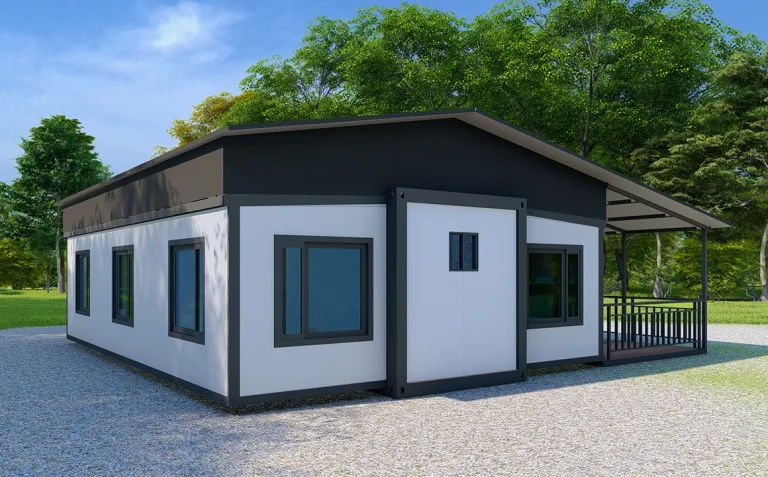
Sinomega's Z-type and Y-type folding container house range provides the following baseline information:
| Quotation input | Current product-page information | What the buyer must confirm |
|---|---|---|
| Standard listed size | 2438 x 5800 x 2520 mm | Drawing revision and whether dimensions apply to the selected variant |
| الإشغال المُدرج | 1-2 people | Final room layout, beds, storage and destination occupancy rules |
| القدرة الكهربائية المُدرجة | 12 كيلووات | Voltage, frequency, circuits, sockets, fixtures and connected equipment |
| Transport positioning | Website states a 1:4 volume ratio | Packing method, units per shipment, accessories and loading diagram |
| Expansion time | Website states 5-10 minutes | Crew, equipment, site conditions and full commissioning time |
| Structure and enclosure | Galvanized steel structure and fire-resistant insulation panels are listed | Grades, thicknesses, coating, panel build-up and product-specific test documents |
| التخصيص | Colour and layout customization are offered | Exact drawings, finishes, branding and approval responsibility |
The published size, occupancy and power figures are product-page values, not substitutes for a signed technical schedule. Ask the quotation to identify every deviation.
How does Z-type versus Y-type affect the quote?
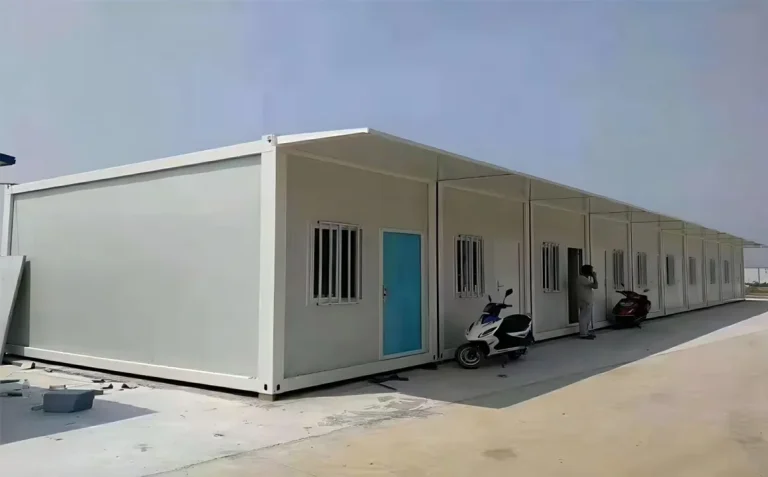
Sinomega positions the Z-type around stronger wall integration and higher wind-resistance requirements, while the Y-type is positioned around faster setup and compact shipping. That distinction can affect structure, handling, site sequence and documentation, so the quotation should name the selected variant.
Neither positioning statement supplies a project-specific wind rating. Request calculations or test evidence for the offered configuration and have the design reviewed against the destination requirements. Do not pay for an undefined “upgraded” variant without a drawing and specification showing what changed.
What configuration choices change the unit price?
Does the steel and panel specification matter?
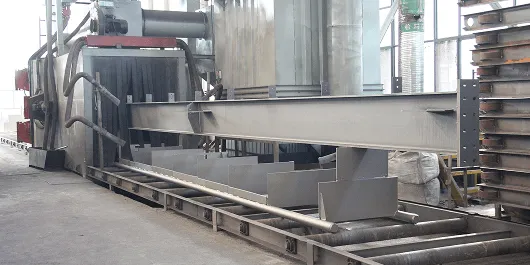
Yes. Steel section, thickness, coating, connection details and insulated-panel construction affect material scope. The current product page describes galvanized steel and fire-resistant insulation panels, but the final quotation should identify the actual grades, thicknesses and documentation. “Fire-resistant” is not the same as a destination-approved fire classification.
Does the layout change the price?
It can. Door and window quantities, internal partitions, sanitary rooms, storage and furniture alter the bill of materials and assembly work. Provide a room schedule and marked-up plan before asking suppliers to compare prices.
What electrical information is needed?
State the destination voltage and frequency, incoming supply, distribution board, circuit schedule, socket standard, lighting, air-conditioning provisions and any high-load equipment. The listed 12 kW value must be checked against the chosen layout and local electrical rules.
Do finishes and equipment belong in the base price?
Not automatically. Floor finish, wall finish, ceiling, sanitary fixtures, plumbing, air conditioning, beds, desks and appliances may be included, optional or buyer-supplied. Use a responsibility schedule so an apparently lower quote does not omit required items.
How do quantity and packing change the project total?
Factory quantity can affect production planning and packing, but no verified quantity-break schedule is published. Request prices for the actual order quantity and separate any prototype or sample unit from the main batch.
The website states a 1:4 transport volume ratio for the folding product. Treat this as a product-page claim that requires a model-specific loading plan. The freight budget needs packed dimensions, gross weight, units per container, accessory packing and loading protection. Compared with a fully assembled module shipped at its occupied height, a folding format is intended to reduce transport volume, but it adds an unfolding and inspection sequence at the destination.
Which delivery costs are outside the factory price?
A factory quotation may not include every destination expense. Ask the supplier to state the Incoterm and named place, then obtain separate figures where necessary for:
- export packing and factory loading;
- inland transport to the port;
- ocean freight and surcharges;
- insurance, customs clearance, duties and taxes;
- destination handling and inland delivery;
- unloading equipment, foundations, utility connections and local labour.
Shipping-line and customs rules are the appropriate sources for freight and import requirements. Rates and duties change by route and date, so they should not be copied from an unrelated project.
Can fast expansion reduce the installed cost?
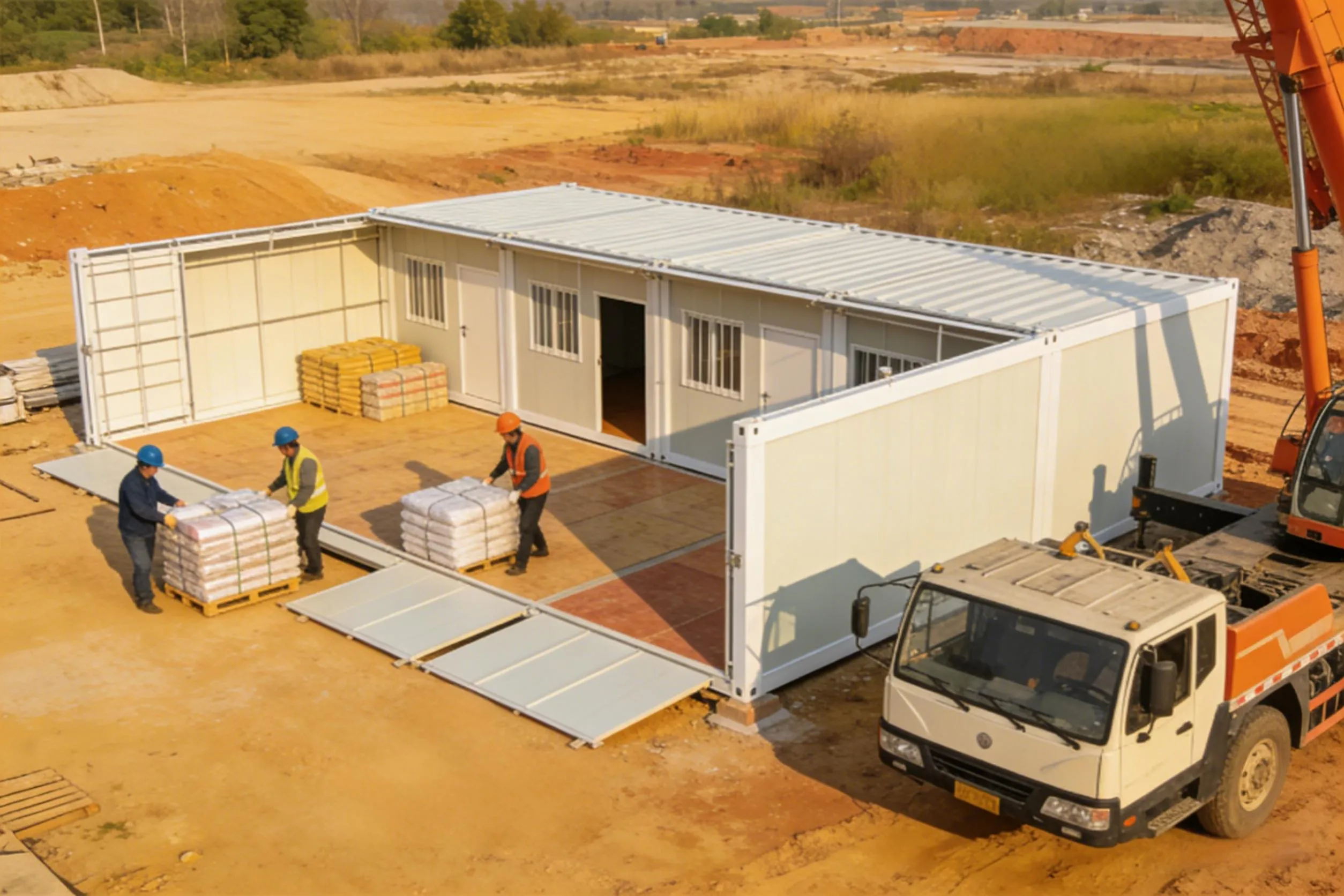
The product page states an expansion time of 5-10 minutes. That figure describes the expansion step, not the full installed-building programme. Site preparation, unloading, positioning, levelling, structural checks, weather sealing, utility connections, commissioning and local inspection still require time and resources.
A common procurement mistake is multiplying the stated expansion time by the unit count and calling the result the installation schedule. Instead, request a method statement that separates unloading, expansion, connection and handover tasks. Confirm crew size and equipment assumptions.
What documents should be priced into the offer?
Distributors and project buyers may need more than a product brochure. Identify the required drawing set, bill of materials, packing list, loading diagram, installation instructions, electrical drawings, sanitary drawings, material data and available test reports.
Local building and fire codes, destination-country electrical and sanitary regulations, and relevant government or ISO/IEC sources should define the approval basis. Sinomega can quote technical drawings and export documentation, but project-specific engineering and local approval responsibilities must be stated in the contract.
How should buyers compare quotations?
Use one RFQ schedule for every supplier and score exceptions separately. The comparison should cover:
- model and Z-type or Y-type selection;
- drawing revision and dimensions;
- steel, coating and panel specification;
- doors, windows, partitions and finishes;
- electrical, sanitary and climate-control scope;
- furniture, equipment and spare parts;
- quantity, packing and shipment plan;
- Incoterm, named place, lead-time basis and warranty;
- documents, installation support and exclusions.
منزل الحاوية القابل للتوسعة بطول Sinomega project page can help buyers describe the intended use. For product fundamentals, see what a foldable container house is. Neither page replaces a configuration-specific offer.
What information produces a usable quotation?
Send one complete RFQ package:
- destination country and final site;
- intended use and planned occupancy;
- quantity and required delivery sequence;
- preferred Z-type or Y-type, if already selected;
- room layout, doors, windows and internal equipment;
- structural, panel, electrical and sanitary requirements;
- climate and local approval basis;
- packing, delivery term, unloading constraints and required documents.
If a requirement is unknown, mark it as “supplier to propose” rather than leaving it invisible. The supplier can then price an explicit assumption, which makes later revisions traceable.
Frequently asked questions about folding container house prices
What is the price of one folding container house?
Sinomega's verified materials do not publish a fixed price or range. The unit requires a quotation based on variant, specification, layout, quantity, optional equipment, packing and delivery scope.
Is the Y-type always cheaper than the Z-type?
No verified price comparison supports that conclusion. The product page positions the variants differently, but the final price depends on the actual technical and commercial schedule. Compare matched specifications.
Does the price include shipping?
Only if the quotation and Incoterm say so. Ask for the named place and a clear list of included freight, insurance, clearance, duties, destination handling and inland delivery responsibilities.
Are foundations and utility connections included?
They are project-specific and should not be assumed. Request structural reactions and interface drawings, then define who designs and supplies foundations, electrical connections, water, drainage and earthing.
Does the 5-10 minute expansion claim mean the house is ready to occupy?
No. It describes the stated expansion step. Positioning, checks, sealing, services, commissioning and inspection remain separate tasks.
How can a distributor request tiered pricing?
Provide the expected batch size, annual forecast, standard configuration, packaging needs and delivery destinations. Ask Sinomega to separate sample, batch and optional-item prices without assuming unpublished discounts.
Request a traceable project quotation
Use the صفحة التواصل مع Sinomega to send the RFQ package. Ask for a priced technical schedule, drawings, packing data, delivery terms, exclusions and document list. That response can be compared line by line and updated without losing the reason for each price change.