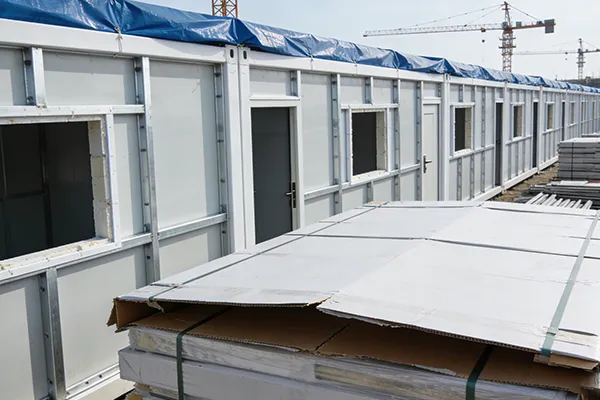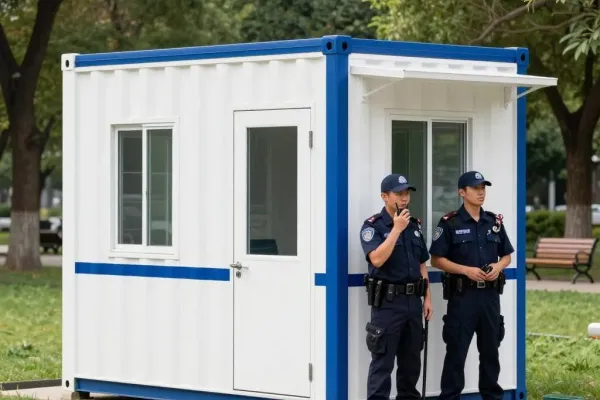


Do you need a functional office on-site, and you need it now? Traditional construction can take months, disrupting your project’s timeline and budget. The problem is clear: projects require immediate, reliable, and flexible workspace. An office container is the solution. It is a portable, prefabricated office unit, often built from a converted ISO shipping container or a purpose-built modular frame. These units are delivered to your jobsite ready to use, complete with insulation, electrical wiring, lighting, and optional features like HVAC and plumbing. They provide a fast, relocatable workspace perfect for construction sites, industrial projects, and remote operations.
Office Container vs Shipping Container Office vs Modular Office
The terms can be confusing. You need an office, but you hear different names: container office, modular office, and shipping container office. This creates agitation because choosing the wrong type can affect your project’s cost, timeline, and longevity. The solution is understanding the two main paths.
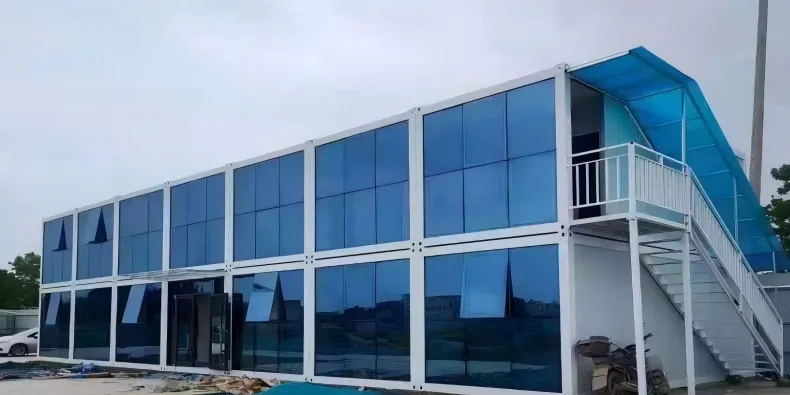
Modular Office
“Converted shipping container” vs “purpose-built modular/flat pack”
- Converted Shipping Container (Conex): This is a traditional Conex box office. It starts as a standard intermodal container, like the ones you see on ships and trains. It’s made of strong Corten steel. A custom container office manufacturer then converts it by cutting openings for windows and doors, adding insulation, and finishing the interior. They are incredibly durable, weatherproof, and secure, making them a great relocatable office. They often come with a CSC plate (Convention for Safe Containers), proving their structural strength.
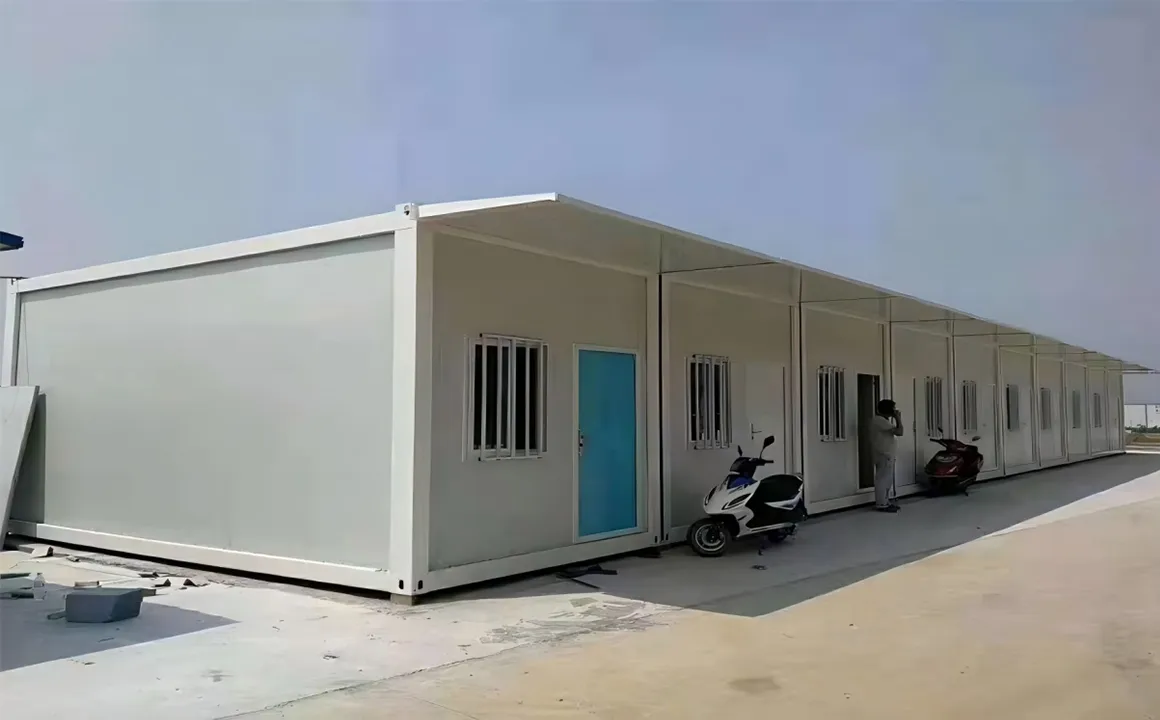
- Purpose-Built Modular / Flat Pack: This is a modular office container designed from the ground up to be an office. Instead of converting a heavy steel box, these are made from a galvanized steel frame and insulated sandwich panels. This category includes the flat pack office (or knock down container office). These units are transported in a bundle and assembled on-site, which dramatically lowers logistics costs. Expert manufacturers, like Sinomega House, produce a range of these systems, including their innovative folding container house (Z-Type / Y-Type), detachable container house, and flat pack houses.
Quick Decision Cues:
- Choose a converted shipping container office for maximum durability in very harsh environments.
- Choose a purpose-built modular site office, like a flat pack container office, for faster, lower-cost transport and assembly, especially for remote sites.
Common Sizes and Layout Options
You need an office, but how big should it be? Ordering the wrong size means you either waste money on unused space or don’t have enough room for your team. This agitation leads to project delays and frustration. The solution is to plan your space based on standard, proven formats.
Typical size formats you’ll see
Most office containers are based on standard shipping container dimensions.
- 10ft office container: Ideal for a single guard house container or a small security office container.
- 20ft office container: The most popular choice. Its external size is about 6.06m × 2.44m × 2.59m. Inside, you get roughly 5.90m × 2.35m × 2.39m of usable space. This is perfect for a site manager office container with room for 2-4 people.
- 40ft office container: Offers about 12.03m × 2.35m × 2.39m of internal space. It can serve as a main project office container for a larger team.
- High cube office container: This option provides an extra foot of height, making the space feel larger and improving air circulation.
These units can also be designed as a double storey container office. Because they are built with corner castings and strong steel frames, stackable office containers are a common way to create a larger container office building on a small footprint.
Popular layouts buyers ask for
A good container office supplier can offer a flexible container office layout.
- Open-plan site office: A simple, open room for desks and collaboration.
- Office and storage combo container: A popular layout that divides the container into an office space and a secure storage area.
- Container office with toilet: Adds a container office with restroom, essential for longer projects or remote sites lacking facilities.
- Container office with meeting room: A 40ft office container can easily be fitted with container office partition walls to create a private meeting space or a separate field office container. Some even request a container office with kitchenette.
What’s Inside an Office Container? Key Features Checklist
An empty steel box is not an office. It’s either too hot, too cold, or too dark. Without the right features, your “office” is an unusable hotbox in summer and a freezer in winter, leading to an unproductive and unhappy team. The solution is ensuring your prefab office container comes with the essential features for a comfortable and functional workspace.
Core “must-haves”
- Insulation & Interior Wall Finish: This is the most critical feature. A quality insulated office container uses materials like a sandwich panel to control temperature. Options include PU (polyurethane) insulation, EPS insulation, or a rockwool insulated container office for better fire safety. Proper thermal insulation for container office prevents condensation and saves energy.
- Electrical: A pre-wired container office is a must. It should include a breaker panel container office (also called an electrical distribution board), outlets, and lighting. Ensure it meets local codes, like the NFPA 70 (National Electrical Code), and includes safety devices like an RCD/GFCI.
- Doors/Windows & Security: A jobsite office container needs secure, durable container office windows and doors. A steel security door is standard. Double-glazed windows are excellent for insulation.
Comfort upgrades (often requested)
- HVAC / Heat Pump / Ventilation: For year-round use, HVAC for container office is non-negotiable. This could be a simple air conditioner container office or a more efficient split AC container office. A proper ventilation system container office is also key for air quality, often following ASHRAE ventilation standards.
- Acoustic Options: Need a quiet space for calls or meetings? A soundproof container office uses acoustic insulation container panels to reduce noise from a busy construction site.
- Data Ports: Modern offices need internet. Ask for built-in data ports for networking readiness.
Plumbing options (when projects run longer)
For projects lasting months, a container office with toilet is a huge benefit. These modules can be integrated into the layout, providing on-site sanitation without needing separate facilities.
Where Office Containers Are Used Most
- Construction site management offices: The most common use. A construction site office container is perfect for project managers, engineers, and administrative staff. It serves as a central hub for plans, meetings, and daily operations. Many contractors look for a durable construction site office that can be moved from one project to the next.
- Industrial sites & warehouses: A warehouse office container provides a clean, quiet workspace inside a noisy or dusty plant.
- Mining, oil & gas, remote projects: For a remote site office, such as a mining camp office container or an oil and gas site office, durability and mobility are key. These are often part of a larger construction worker housing camp.
- Events & temporary administration: A temporary site office is ideal for festivals, events, or as a disaster relief command center.
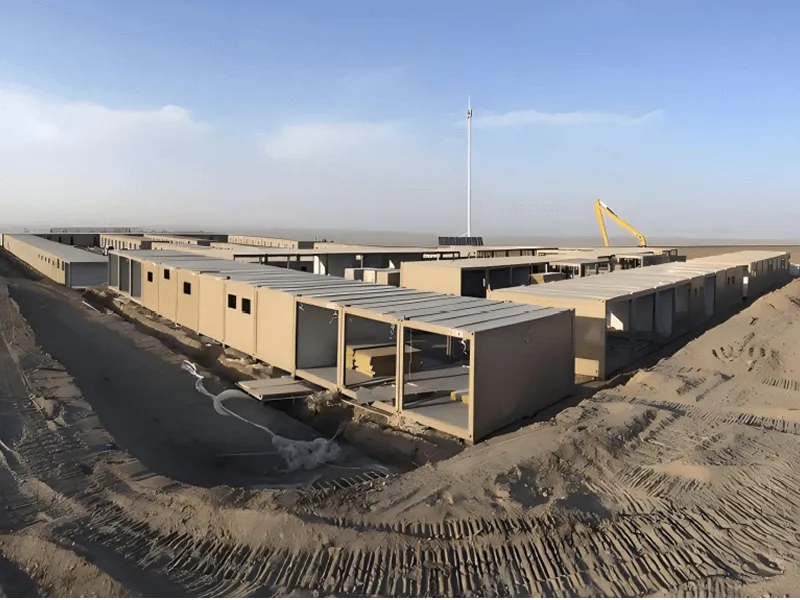
Where Office Containers Are Used Most
Benefits and Trade-offs
You need to convince your finance department or project stakeholders that a portable office container is the right choice. Without clear pros and cons, decision-making is stalled. The solution is a clear-eyed look at the real-world benefits and trade-offs.
Main benefits
- Speed: This is the biggest advantage. Modular construction can speed up project schedules by 20-50%. You can place the office container, connect power, and be working in days, not months.
- Mobility: It’s a relocatable office. Once your project is done, you can move it to the next site. Many units are designed with lifting lugs container office points and forklift pockets office container for easy handling.
- Durability/Security: Built from a steel frame modular office design or Corten steel, these offices are tough. A weatherproof office container can withstand harsh job site conditions.
Common trade-offs
- Insulation/Thermal Bridging: If poorly designed, steel frames can transfer heat. Look for manufacturers that offer smart designs with thermal breaks.
- Space Constraints: A single container has fixed dimensions. However, multi-storey modular office designs can overcome this.
- Permit/Code Complexity: Using a container for a long-term or permanent office may trigger complex building codes. It’s crucial to ask your supplier about compliance.
Permits, Building Codes, and Compliance Basics
You can’t just place a container anywhere and call it an office. Ignoring local rules can lead to fines and stop-work orders, a nightmare for any project manager. The solution is to ask the right questions about compliance before you buy.
- Building Code Context: Many jurisdictions now reference the International Building Code (IBC) for guidance on using shipping containers. An engineer may be needed to approve plans for a permanent container office building.
- Typical Compliance Topics to Verify:
- Structural/Foundation/Anchoring: How will the portable office container anchoring be handled? Is it rated as a wind-resistant container office?
- Fire Safety and Egress: Your office must comply with fire codes like NFPA 101. This includes having an emergency exit container office, using fire-rated sandwich panels, and installing a smoke detector container office. Look for materials with a good EN 13501 fire classification.
- Electrical Standards: All electrical wiring for container office must be certified (e.g., by UL (Underwriters Laboratories) or Intertek ETL) and installed to local standards.
- Accessibility: For some projects, ADA Standards for Accessible Design may require ramps or specific door widths.
How Much Does an Office Container Cost?
Price drivers (the real variables)
The office container price or shipping container office cost is not a single number. It depends on:
- Size: A 40ft office container costs more than a 20ft office container.
- Insulation Spec: A high R-value PU panel container office will cost more than basic EPS.
- HVAC: The capacity and type of the split air conditioner.
- Features: The number of windows, security upgrades, and whether you add a restroom module.
- Delivery & Installation: Container office transport and crane/forklift handling are major costs. A supplier located near a port, like Sinomega House in Qingdao, can offer significant savings on logistics.
Rent vs buy (when each makes sense)
- Rent: Container office rental makes sense for short-term projects (less than 24 months).
- Buy: If you have ongoing or multiple projects, it is more cost-effective to buy office container. An expandable container house for sale offers long-term flexibility.
How Much Does an Office Container Cost?
Buyer’s Checklist: What to Ask Before Ordering
You are ready to contact a container office supplier, but you don’t know what to ask. This uncertainty can lead you to buy the wrong product for your needs. Solution: Use this checklist to ensure you get the right turnkey container office.
- What is the base structure? Is it a real ISO 668 shipping container or a purpose-built modular frame?
- What is the insulation? Ask for the type (rockwool/mineral wool insulation, PU, EPS) and R-values for the walls, roof, and floor.
- What is the electrical spec? Is it a pre-wired container office ready for plug-and-play connection?
- What is the flooring? Is it durable marine plywood flooring with an anti-slip flooring container finish like vinyl floor covering?
- How is it delivered? Does it have lifting lugs or forklift pockets? What are the site requirements for container office delivery and installation?
- What documentation is provided? Ask for drawings and any compliance certificates (CE marking, SGS, Bureau Veritas (BV)).
H2: FAQs
- Are office containers legal to use on a construction site?
Yes, a construction site office container is very common. For temporary use, permits are often simple. For long-term use, you must check local zoning and building codes. - Is an office container the same as a shipping container office?
It can be. A shipping container office is one type of office container. The term also includes flat pack and other modular office types. - What size office container do I need for 2 / 4 / 8 people?
- 2 people: A 10ft office container works. A 20ft is more comfortable.
- 4 people: A 20ft office container is standard.
- 8 people: A 40ft office container or two stacked 20ft units are good options.
- Can an office container be used year-round in hot/cold climates?
Absolutely, provided it has the right insulated office container spec and a capable HVAC for container office system. - How long does delivery and setup take?
Once on site, a mobile office container can often be placed and connected to power in just a few hours. - Can you add a toilet or kitchenette?
Yes, many suppliers offer a container office with restroom and kitchenette modules. - Can office containers be stacked to create a larger office?
Yes, stackable office containers are a common and effective way to build a multi-storey modular office. - What’s the difference between flat pack and traditional container offices?
A traditional office is a fully assembled, heavy steel box. A flat pack office is a demountable office that is shipped in a kit and assembled on-site, saving greatly on transport costs. Many modern modular homes from China use this technology for efficiency.
Summary
You need a workspace that is fast, flexible, and tough. But traditional construction is slow, expensive, and fixed in place. An office container solves this problem by providing a high-quality, pre-built office that can be deployed anywhere in the world, often in a fraction of the time.
- Definition: A ready-to-use, portable office, either from a converted shipping container or a purpose-built modular frame.
- Best Use Cases: Construction sites, industrial plants, remote projects, and any application needing a fast, relocatable office.
- What to Check: Always verify insulation, electrical specs, HVAC, and local code compliance before ordering.
- Next Step: The right partner makes all the difference. An experienced manufacturer can guide you to the perfect solution, whether it’s a single conex office or a complete workers housing complex.
Ready to deploy a fast, efficient office for your next project? Send your site conditions, required layout, and destination port to a specialist manufacturer to get a detailed specification and a no-obligation quote today.