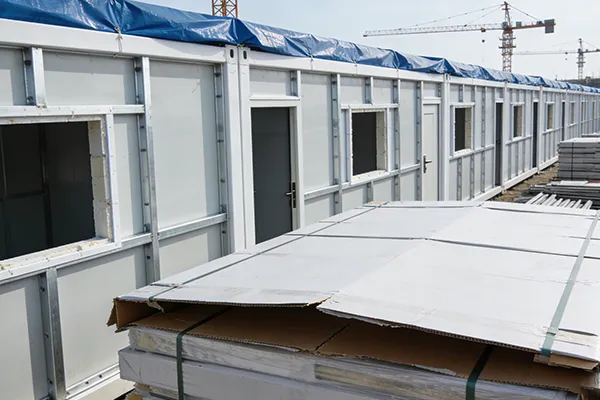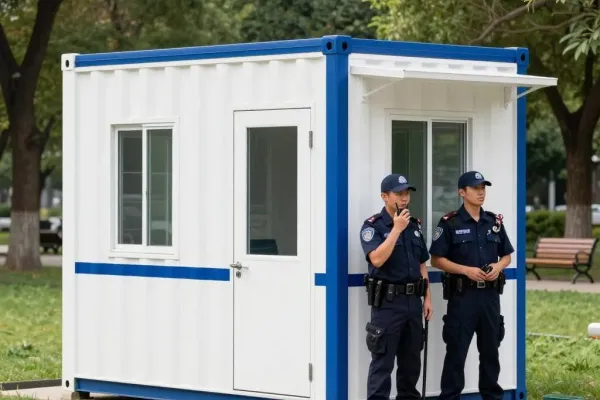


You need a building. Fast. Your project is on a tight deadline. You need a construction site office right away. You need construction worker housing for your crew. Or maybe you are responding to an emergency and need disaster relief shelters immediately.
But traditional buildings are slow. They take months or years to build. They are also very expensive. You have to deal with permits, foundations, and long delays. This puts your whole project at risk.
So, you look at prefabricated buildings. This seems better. But shipping a big, pre-built room is a new problem. It is expensive. The modules are large and take up a lot of space on trucks and ships. This high shipping cost eats into your budget. It makes your project too expensive. You feel stuck. Your need for fast, affordable space has no good answer. The logistics are a nightmare. Deadlines are getting closer. Costs are going up.
It is a special type of building. It is called a foldable container house. It solves the problem of speed and shipping cost. It is a quick install container house that folds flat for transport. This means you can ship many units for a low price. Then, they unfold on-site in just a few hours.
This guide will explain everything about the foldable container house.
Definition: What Is a Foldable Container House?
Let’s start with a simple folding house definition.
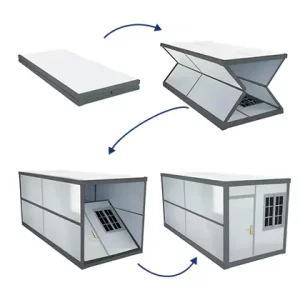
A foldable container house is a type of prefab modular house. It is built in a factory. It has a strong steel frame foldable container house design. The walls and roof are on hinges. This allows the whole building to be folded down into a flat package. Think of it like a cardboard box that you can flatten and then open up again.
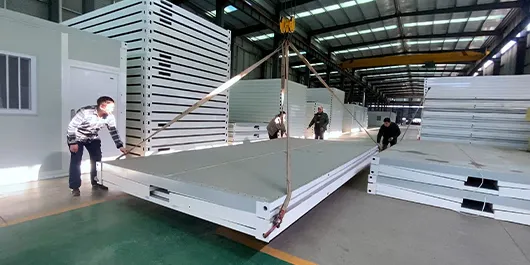
This flat package is very thin. Its folded height is often around 440mm. This is very important. It means you can stack many folded houses together for shipping. This is why they are a great rapid deployment container housing solution.
People use many names for these buildings. You might hear them called:
- folding container house
- collapsible container house
- fold-flat prefab house
- foldable container home
It is also important to know what a foldable container house is not.
It is not the same as a “shipping-container conversion.” A conversion uses an old shipping container and cuts holes in it for windows. A foldable house is a brand-new building, engineered from the start to be a house.
It is also different from an expandable container house. An expandable house has slide-out sections to make it bigger. A foldable house unfolds completely. We will compare them later in this guide.
What Is a Foldable Container House?
How a Foldable Container House Works
How does a container folding house go from a flat package to a full-size room? The process is simple and smart. It is designed for speed.
The Main Structural Idea
The secret is in the hinges. The foldable container house structure uses strong hinges on its corner columns. The wall sandwich panels and roof panel system are connected to the main frame.
When it is time to fold, the walls collapse inward. The roof lowers down. The whole unit becomes a flat-fold container house. The top frame and base frame protect everything inside. This package is strong and easy to move. The corner castings are the same as on a standard container. This means they can be handled by normal equipment.
Typical Delivery and Setup Workflow
Here is how a foldable portable cabin gets to your site and becomes a building.
- Delivery: The folded units arrive on a truck. They can also arrive inside a standard 40ft High Cube (40HQ) shipping container. A 40HQ container has a volume of about 76 cubic meters.
- Positioning: A forklift or a small crane lifts the flat package. It is placed on a simple, level foundation. This can be concrete blocks or a simple slab. Forklift pockets are often built into the frame to make this easy.
- Unfolding: The crew lifts the roof. This is the on-site unfolding installation step. Depending on the design, this can be done with a small crane or even by hand with lifting poles. As the roof rises, the hinged walls fold out and lock into place. This process is very fast.
- Securing: The crew secures the walls. They use expansion bolts or anchor bolts to fix the unit to the ground. They check the seals to make sure it is a waterproof foldable container house.
- Connection: If the unit has a bathroom or kitchen, it is now ready for hook-up. These are plumbing ready container house models. The pre-installed electrical system container is also ready. An electrician just needs to connect the main power.
How Fast Is Installation, Really?
This is the biggest advantage.
Many suppliers say it is a 10 minute setup container house. While this is possible for a simple unit with an experienced crew, a more realistic time is a few hours. One report for a similar building style said, “4 workers + 2 hours = 1 house”.
The real foldable container house installation time depends on:
- The size of the unit (20ft foldable container house vs. 40ft foldable container house).
- How prepared the site is.
- The experience of the crew.
- Whether it has complex MEP (mechanical, electrical, plumbing) systems.
Even so, this is much faster than any other type of building. It is a true fast assembled container house.
Key Specs Buyers Compare
When you buy a foldable modular house, you are buying a system. You need to check the details. Here are the key things that smart buyers look at.
Dimensions and Module Sizes
The most common sizes are based on shipping containers.
- 20ft foldable container house: This is a standard module folding container that is about 20 feet long when open.
- 40ft foldable container house: This is a larger model, about 40 feet long.
IMPORTANT: Always check the exact folded and unfolded dimensions from the foldable container house supplier. The foldable container house floor plan and foldable container house layout will show you the exact size.
Materials and Enclosure
The quality of a collapsible modular house depends on its materials.
- Steel Frame: Look for a galvanized steel foldable container. Galvanized steel has a zinc coating to prevent rust. This is an important anti-corrosion treatment. Some frames also have powder coating for extra protection.
- Wall Panels: These are usually insulated panel foldable container house designs. They are sandwich panels. This means insulation is between two sheets of steel.
- EPS panel folding container house: EPS (Expanded Polystyrene) is a good, low-cost insulation.
- PU panel container house: PU (Polyurethane) has better insulation value. It is good for hot or cold places.
- Rockwool insulation container house: Rockwool is a mineral wool. It is a great insulator and it is a fireproof foldable container house material.
- Insulation: Look for good thermal insulation portable house specs. The panel thickness matters. Thicker panels mean better insulation and they can also be soundproof container house panels.
MEP Readiness
MEP means Mechanical, Electrical, and Plumbing.
A good collapsible prefab house comes ready to use.
- Electrical: It should be a pre-wired foldable container house. This means the wires, sockets, lights (lighting fixtures), and a distribution box are already installed. This must follow local codes and IEC (electrical compliance) standards.
- Plumbing: If you order a foldable worker dormitory container with a bathroom, it should have plumbing fittings installed. This makes connection easy.
- HVAC: Check if you need heating, ventilation, or air conditioning. These can be added.
Transport Efficiency
This is the main reason to choose a folding prefab house.
The goal is shipping volume reduction foldable house. Because they fold flat, you can fit more in one shipment.
| Feature | Data | Why It Matters |
| Folded Height | ~430mm – 440mm | This is what allows multiple units to be stacked in a container. |
| Units per 40HQ | 10-12 sets / 40HQ | This is the key number. It determines your landed cost per unit. |
This amazing container loading capacity folding house is a huge cost advantage. This container house transportation efficiency is why project managers for oil and gas camp accommodation and mining camp container housing love these units.
A certified foldable container house manufacturer can provide exact packing photos and drawings. A factory with over 10 years of experience located near a major port, like Qingdao Port, has a deep understanding of global logistics. Their location and experience ensure fast production and efficient shipping for any project. They can provide OEM/ODM support to meet specific project needs.
Transport Efficiency
Pros and Cons of Foldable Container Houses
A portable foldable house is a great tool. But like any tool, it has good and bad sides.
Advantages (Pros)
- Fast Deployment: This is the biggest benefit. A quick build container house can be ready in hours, not months. This is perfect for foldable temporary housing or a foldable site office container.
- Lower Shipping Cost: The foldable container house shipping cost is much lower per unit. Fitting 10 or more units in one container saves thousands of dollars.
- Easy to Relocate: These are reusable temporary building modules. You can fold the building back down and move it to the next job site. It is a truly relocatable modular building.
- Simple Installation: You do not need a large, expensive crane for most models. A forklift and a small crew are often enough. Some models are even crane-free container house assembly designs.
Limitations (Cons)
- Fixed Layouts: The foldable container house design is often more fixed than other modular types. Because of the folding mechanism, it is harder to change the layout.
- Maintenance Points: The hinges and seals are extra parts. These foldable container house components need to be checked. A quality manufacturer uses durable hinges and weatherproof seals to prevent problems.
- Code Compliance: It is still a building. You must check local codes for wind resistant prefab container rules, seismic resistant modular house rules, and fire safety. A good supplier will provide documentation for ASTM standards or EN standards to help with this.
Foldable vs. Flat Pack vs. Expandable
People often get confused between these three types of container houses. They are all modular. But they are different.
| House Type | Best For | Trade-offs | Main Use Cases |
| Foldable | Speed of installation. | Less layout flexibility. | Foldable emergency shelter units, temporary offices, quick-setup dorms. |
| Flat Pack | Shipping cost (for large projects) and layout flexibility. | Slower to assemble than foldable (takes hours/days, not minutes). | Large construction camp housing solutions, multi-story modular office buildings. |
| Expandable | Getting the most floor space from one unit. | More complex, heavier, and often more expensive. | A premium container folding house, single-unit homes, or luxury cabins. |
Foldable vs. Flat Pack
A flat pack container house is different. It arrives as a kit of parts: a floor, a roof, corner posts, and wall panels. You assemble it on site. Think of it like IKEA furniture.
- Folding vs flat pack container homes: A foldable container house is the fastest to set up. A flat pack house is often the most efficient for huge orders and allows you to create large, connected buildings. Many global contractors use flat pack modular homes for large-scale workers housing.
Foldable vs. Expandable
An expandable container house for sale is also different. It is a full container box. But it has one or two sides that fold out or slide out. This creates a much larger room.
- Expandable vs foldable container house: An expandable gives more space. A 20ft expandable container house can feel like a small apartment. But a foldable house is much simpler and faster to set up for basic needs like a foldable security guard house or office.
The right choice depends on your project. Do you need maximum speed, maximum flexibility, or maximum space?
Common Use Cases
Where do people use these innovative buildings? They are perfect for temporary and urgent needs.
- Construction Site Offices: A foldable construction site office or modular site office is a very common use. EPC contractors and general contractors need them on every project.
- Worker Accommodation: Big projects need housing for hundreds of workers. Foldable worker dormitory container units are a perfect solution. They can create a container dormitory solution for a labor camp dormitories quickly.
- Emergency Shelters: After a disaster, speed is life. Foldable disaster relief housing can provide safe, clean shelter in days. Humanitarian NGOs and government emergency procurement agencies use them.
- Temporary Facilities: They are also used for foldable prefab clinic unit buildings, a foldable modular classroom, or other public buildings.
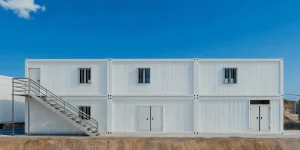
Worker Accommodation
Cost and Pricing Factors
How much does a foldable container house cost?
The foldable container house price depends on many things. There is no single answer.
What Drives the Price?
- Size and Layout: A 40ft foldable container house costs more than a 20ft folding container house. A complex layout with bathrooms costs more.
- Materials: A PU panel container house with thick walls for cold weather costs more than a basic EPS panel folding container house. A fire rating will also add cost.
- Windows and Doors: High-quality doors and windows add to the price.
- Certifications: Units that meet ISO 9001 and CE marking standards may have a higher price, but they guarantee quality.
What Buyers Forget to Include (Total Landed Cost)
The factory price is only one part of the cost. You must also budget for:
- Site Work: A foundation, even a simple one.
- Shipping: Ocean freight, port fees, and inland trucking to your site.
- Equipment: A forklift or crane to unload and unfold the units.
- Labor: The crew to install and connect everything.
- Permits: Any local government fees.
A good turnkey foldable container house supplier can help you estimate these costs. A manufacturer that produces everything in-house can control quality and costs, offering durable and flexible modular solutions from design to delivery.
What to Check Before You Buy
You are a smart buyer. You need to check the quality. This is how you avoid problems.
Manufacturing & QC Checks
When you talk to a china folding house supplier, ask about their quality control.
- Welding Quality: Look at the welds on the galvanized steel frame. They should be clean and strong.
- Hinge Durability: The hinges are critical. Ask how they are tested.
- Weatherproofing: Check the seals around the doors, windows, and folding joints.
- Corrosion Protection: The anti-corrosion treatment is very important for a long life.
Documentation to Request
A professional container house factory will give you documents.
- Drawings: Ask for engineering drawings of the open and folded unit.
- Material Specs: Get a list of all materials used.
- Test Reports: Ask for reports on insulation, fire-rating, and wind load.
- Electrical Diagrams: These are needed for safe connection.
Site and Regulatory Checklist
Before you order, check your local rules.
- Wind and Snow Loads: Does your area have strong winds or heavy snow?
- Fire Safety: What are the rules for fire exits and materials?
- Electrical Code: Is the voltage and wiring compatible with your local grid?
Buying Guide: Choose the Right Foldable Container House
Here is a simple 5-step plan to help you decide.
- Define Your Use Case: What is the building for? A modular office space has different needs than a mining camps dormitory.
- Check Your Climate: Do you need extra insulation for heat or cold? Do you need a strong wind resistant prefab container for a stormy area?
- Balance Your Needs: What is most important?
- Installation Speed? → Choose foldable.
- Layout Flexibility? → Choose flat pack.
- Maximum Space? → Choose expandable.
- Plan Your Shipping: How will you get the units to your site? Work with your supplier to make a good plan. Ask how many units fit in a 40HQ. This is a key question for finding good modular homes from china.
- Evaluate Your Supplier: Choose a good partner. A real foldable container house manufacturer with a large factory and years of export experience is better than a small trading company. They can provide a warranty and spare parts. Look for a trusted container house factory.
FAQ: Quick Answers
- Is a foldable container house the same as an expandable one?
No. A foldable house unfolds from a flat pack. An expandable house slides out from a box shape to create more floor space. - How long does installation take?
It is very fast. A simple unit can be unfolded and ready in a few hours with a small crew. - Does it need a crane?
Not always. Many 20ft folding container house models can be handled with a forklift. Larger or custom units may need a small crane. - Can you stack foldable container houses?
Yes, some designs can be stacked two or even three stories high. You must check the structural design with the supplier. - How do you ship them efficiently?
They are shipped folded flat. This allows 10 or more units to be loaded into a single 40HQ shipping container, which dramatically reduces the cost per unit. - Are they suitable for long-term living?
Yes, a high-quality unit can be used for long-term living. Choose a model with good insulation (PU or Rockwool), good ventilation, and high-quality finishes. It must also meet all local building codes. A well-built prefab folding container house can be a comfortable and durable home or office for many years.