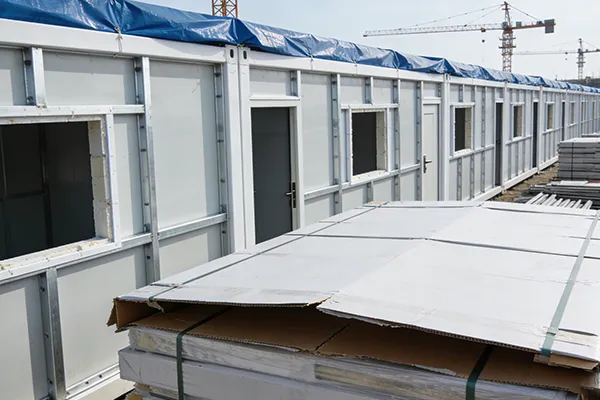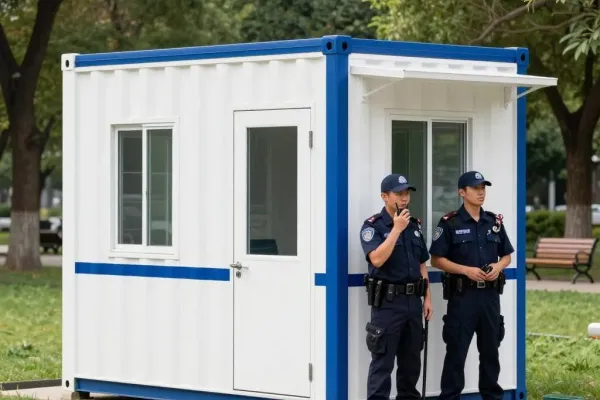


Construction work is tough. When your team sleeps far away, mornings start late, costs rise, and stress piles up. Delays follow. A smarter plan is temporary housing for construction workers that is safe, comfortable, and close to the job—so your crew shows up ready, every day.
Construction worker housing is the planned accommodation you provide or arrange for crews working away from home—usually near job sites. The best option depends on your location, schedule, budget, and local rules. For short stays, hotel or extended stay may fit. For longer or remote projects, modular worker camps (like container houses) often deliver faster move-in, better control, and cost-effective results.
Article Outline
- What is construction worker housing, and why do major construction projects need it?
- Why do hotels fail for long-term construction crew lodging in remote locations?
- How do you choose the right housing solutions within budget without hurting comfort?
- On-site vs off-site: which worker housing model fits your construction project timeline?
- What amenities matter most in housing for construction workers?
- Booking, billing, and consolidated billing: how do you simplify housing logistics?
- Rental, apartment, corporate housing, or modular camps: what’s the real cost difference?
- How to furnish fast: fully furnished units, kitchenettes, and utilities that “just work”
- Case study: workforce camp housing for industrial and mining project operators
- What standards and duty-of-care rules should project managers follow?
What is construction worker housing, and why do major construction projects need it?
When I say housing, I don’t mean “nice-to-have.” I mean the everyday living base that keeps your workforce stable. Construction worker housing is the system you use to place crew members near a worksite—so the project runs on time, safely, and with fewer surprises.
In major construction, the hidden risk is fatigue. Long commutes, changing shifts, and constant moves wear people down. The ILO notes that welfare and related support like transport and temporary housing can reduce fatigue and improve health and efficiency.
Here’s the simple truth I’ve seen repeatedly: if your team sleeps well, your build goes better. Good housing for construction workers reduces no-shows, improves punctuality, and helps you keep skilled labor longer—especially for traveling construction workers.
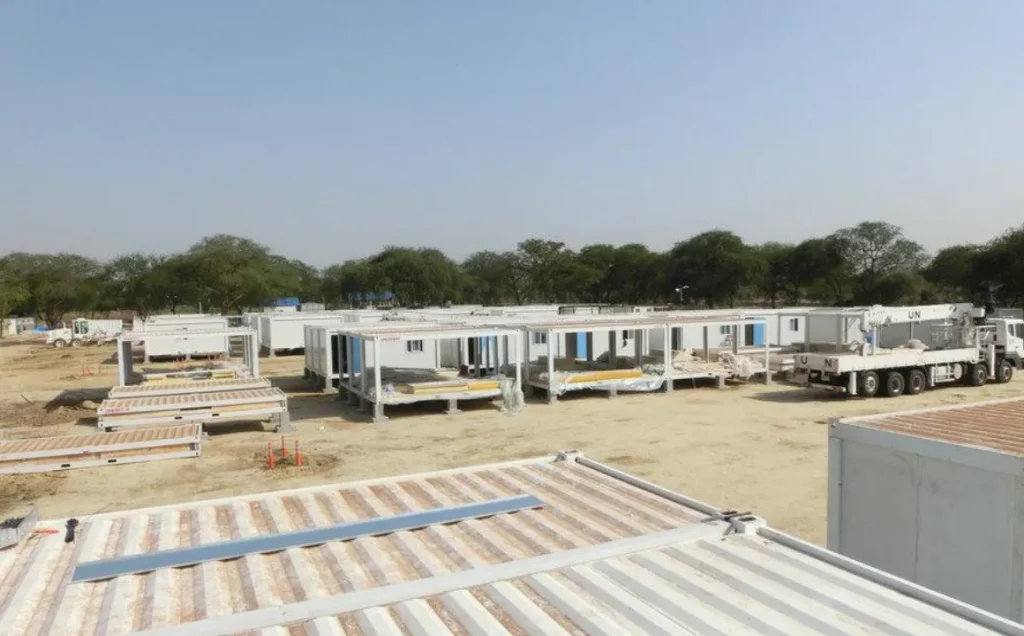
container house
Why do hotels fail for long-term construction crew lodging in remote locations?
A hotel looks easy at first: call, pay, done. But once a job runs past a few weeks, cracks appear fast.
- Costs stack daily: nightly rates, taxes, parking, meals, laundry, and “small fees” that add up.
- Booking becomes a headache when crews rotate and you need last-minute changes.
- Comfort drops when people live out of bags for months—morale follows.
Many extended-stay providers and workforce lodging guides point out that hotels are often a short-term fix, not a long-term plan, especially when you need predictable monthly rates and stable team stays.
And in remote locations—near infrastructure builds, mining zones, or oil and gas fields—you may not even have enough hotel rooms. That’s where purpose-built housing solutions matter.
How do you choose the right housing solutions within budget without hurting comfort?
I like a “3-box test” that keeps decisions practical:
- Timeline: How long is the crew there—2 weeks, 3 months, 18 months?
- Site reality: Are you near a city, or near nothing?
- Crew needs: What does the team require to stay healthy and steady?
Then you choose the right option that matches the needs of construction, not a generic travel plan. Because construction requires more than a bed. It requires recovery.
A good rule:
- Under 30 days and in a city: hotel / extended-stay / serviced apartment can work.
- 30–180 days: corporate housing or apartment-style units often beat hotels on cost and livability.
- 6+ months, or harsh/remote project sites: on-site modular camps usually win on control, scalability, and risk reduction.
On-site vs off-site: which worker housing model fits your construction project timeline?
Let’s make it clear:
Off-site lodging (hotel, apartment, corporate housing)
Best when you’re situated near urban services and you can reliably reserve capacity. It’s also easier for local compliance in many regions.
On-site worker housing (camp, modular container houses)
Best when travel time is killing productivity, local lodging is limited, or your schedule is tight.
I’ve watched teams lose hours daily just from transport. That time turns into overtime, missed inspections, and angry owners. On-site housing reduces the “daily friction” that quietly ruins margins.
Also, on-site setups make it easier to manage utility planning (power, water, waste), security, and consistent living rules—especially for long-term crew rotations.
What amenities matter most in housing for construction workers?
If you want crews to stay and perform, the living environment can’t feel like a punishment. The goal is comfort and convenience—not luxury, but steady basics.
Here are high-impact items (the ones that reduce complaints and turnover):
- Sleeping: quiet rooms, good ventilation, proper beds, safe exits
- Hygiene: enough showers, toilets, handwashing, laundry flow
- Food: access to a kitchen or canteen; at minimum, kitchenettes
- Recovery: Wi-Fi, a small lounge, storage, and cooling/heating
- Safety: lighting, walkways, fire safety, clear rules
International guidance like the IFC/EBRD “Workers’ accommodation: processes and standards” emphasizes planning, design, and management, not just the building itself.
If you want housing that feels like home (even a little), focus on routines: sleep, wash, eat, connect, repeat. That’s how you support the needs of your crew.
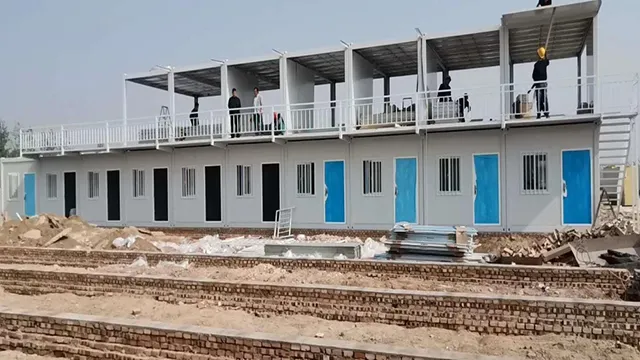
Worker Accommodation Camp
Booking, billing, and consolidated billing: how do you simplify housing logistics?
Housing fails when admin fails. I’ve seen project managers spend more time chasing receipts than chasing progress.
Here’s the streamlined setup many construction companies adopt:
- Use one booking platform or one supplier channel
- Keep standard room/unit types (so moves are simple)
- Set clear cancellation policies
- Use one monthly invoice with consolidated billing
- Track occupancy by crew, shift, and cost center
This is not just accounting. It protects your overall project by making housing predictable.
If you’re using hotels, push for:
- fixed corporate rates,
- clear billing rules,
- fewer separate charges,
- one billing contact.
If you’re using modular camps, set:
- delivery milestones,
- installation scope,
- maintenance response time,
- and clear site responsibilities.
That’s how you reduce housing logistics risk.
Rental, apartment, corporate housing, or modular camps: what’s the real cost difference?
Below is a decision table I use with clients. It’s simple, but it works.
| Option | Best for | Typical pain point | Cost control | Crew stability |
|---|---|---|---|---|
| Hotel | short stays, city sites | daily rate volatility | medium-low | medium |
| Extended stay hotel | 2–12 weeks | limited space + fees | medium | medium |
| Apartment / corporate housing | longer stays near cities | lease + management | medium-high | high |
| On-site modular camp | remote or long-term | setup planning needed | high | high |
Some industry comparisons note hotels can run roughly $120–$200+ per night in many markets, which becomes expensive over longer stays, while longer-term alternatives can reduce total cost and improve livability.
A quick “cost shape” view (example only):
Monthly Cost Trend (typical)
Hotel:           ██████████ (high)
Apartment:       ██████     (mid)
On-site modular: █████      (mid, more controllable)
The point isn’t one perfect number. The point is cost-effective control. Hotels are easy to start, hard to manage over time. On-site modular housing is harder to start, easier to control once running.
Sinomega House (Qingdao) Co., Ltd.
How to furnish fast: fully furnished units, kitchenettes, and utilities that “just work”
When teams arrive, you can’t spend two weeks assembling life. You need finding temporary housing that is designed to provide a ready living setup.
For fast mobilization, I recommend:
- fully furnished sleeping areas (beds, storage, lighting)
- basic lounge and dining
- kitchenettes in units or shared canteen plan
- reliable utility hookups (power distribution, water, drainage)
- clear cleaning and maintenance routines
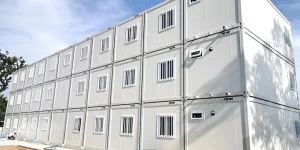
This is where factory-built modular units help. In our China-based manufacturing, we build modular container houses (folding, detachable, flat pack, expandable) so contractors can scale capacity quickly across project sites. We also pre-plan layouts to meet the specific needs of EPC and camp builders: dorm blocks, office + meeting, clinic, washrooms, dining, and storage.
That’s the real value: not “a box,” but a system that supports the crew needs and schedule.
Case study: workforce camp housing for industrial and mining project operators
Let me share a real-world style scenario I’ve handled many times (details simplified):
Project: 14-month mining support build, 200-person rotating workforce
Challenge: remote location, limited local lodging, tight mobilization window
Old plan: split crews across distant hotels + long daily transport
Result: late starts, higher incident risk, morale issues, budget drift
New plan: on-site modular camp using flat pack + expandable units
- Phase 1 (3 weeks): set up core dorms, canteen, washrooms, security
- Phase 2 (6 weeks): expand capacity + add office, recreation, clinic
- Phase 3 (ongoing): maintain, rotate crews, track occupancy and costs
Outcome (what typically improves):
- fewer late arrivals
- smoother shift handovers
- better retention for long-term crew
- cleaner cost tracking with one supplier and one service scope
This approach also supports NGOs and disaster relief work, where speed and standardization matter. Humanitarian shelter guidance like UNHCR and Sphere emphasizes minimum standards, adaptation to context, and safe covered living space.
What standards and duty-of-care rules should project managers follow?
Even if you’re not building a “labor camp,” you still carry duty-of-care. Rules vary by country, but the safety themes repeat: sanitation, fire safety, ventilation, safe structures, and respectful management.
Helpful references include:
- IFC/EBRD workers’ accommodation guidance (planning + standards + management checklists).
- OSHA interpretation on temporary job-related housing (shows how regulators may view employer-provided temporary housing).
- Sphere/UNHCR shelter standards for emergency and temporary shelter thinking (useful for disaster relief and fast-deploy setups).
A practical compliance checklist I use:
- adequate sleeping space, ventilation, lighting
- safe exits + fire control
- clean water and waste handling
- hygiene facilities sized to occupancy
- clear rules, grievance path, respectful management
- documented inspections during occupancy
This isn’t paperwork for its own sake. It protects people—and it protects the project.
Why modular container houses are a strong fit for construction worker housing
Here’s what our B2B clients usually want (contractors, EPC, developers, distributors):
- Fast deployment: folding/expandable models reduce shipping volume and speed setup
- Scalable capacity: add units as headcount changes—very scalable
- Project-ready layouts: dorms, offices, dining, ablution blocks, clinics
- Customization: climate packages, insulation levels, window/door plans, electrical standards
- Quality control: factory build = consistency, easier acceptance on site
In plain words: we help you build a stable living base that improves crew performance and reduces schedule risk—especially when hotels don’t match the needs of your crew.
If you’re deciding between “keep booking hotels” and “build a worker camp,” I’d look at:
- longer stays,
- higher headcount,
- remote worksite,
- frequent rotation,
- and high schedule pressure.
Those conditions push you toward controlled on-site housing.
FAQs
What is the best housing for construction workers on long projects?
For longer stays, an apartment-style setup, corporate housing, or on-site modular camps often beat hotels on cost control, stability, and comfort—especially when the job site is remote or headcount changes frequently.
Should we use hotels or on-site housing for construction crews?
Hotels can work for short urban projects. On-site housing is usually better when commutes are long, hotel supply is limited, or you need a consistent living environment that supports shifts and safety routines.
How do we reduce booking chaos when crews rotate?
Standardize unit types, set clear cancellation policies, and use one booking system or one supplier. Consolidated billing and a single monthly invoice reduce admin load and errors.
What amenities matter most for traveling construction workers?
Sleep quality, hygiene capacity, food access (kitchenettes or a canteen), reliable utilities, and basic recreation/Wi-Fi matter most. These directly impact retention and daily performance.
How fast can modular workforce housing be deployed?
With good planning, factory-built units can be shipped quickly and installed in phases—core dorms and hygiene first, then dining, offices, and expansion blocks as the workforce grows.
Is modular worker housing only for industrial sites?
No. Contractors, government and municipal owners, NGOs, and disaster relief organizations also use modular housing when they need fast, standardized accommodation that can scale.
Key takeaways
- Housing is a project system, not just a room—it affects schedule, safety, and retention.
- Hotels are easy for short stays, but they often fail on long timelines and remote work.
- The best plan matches timeline, site reality, and crew needs—then locks in cost control.
- On-site modular camps give strong control for remote locations, rotations, and long-term crew.
- Simplify booking and billing early—consolidated billing protects margins and sanity.
- Focus on essentials: sleep, hygiene, food, utilities, and clear management rules.