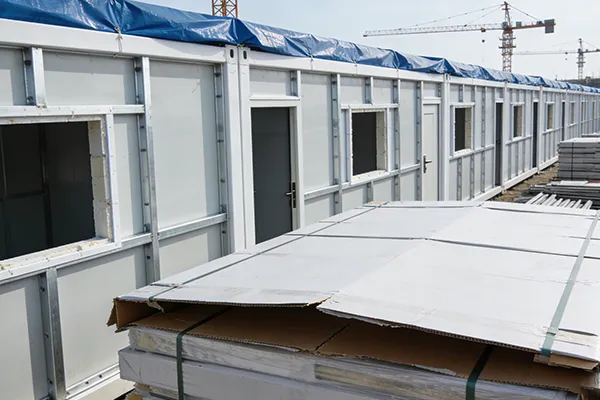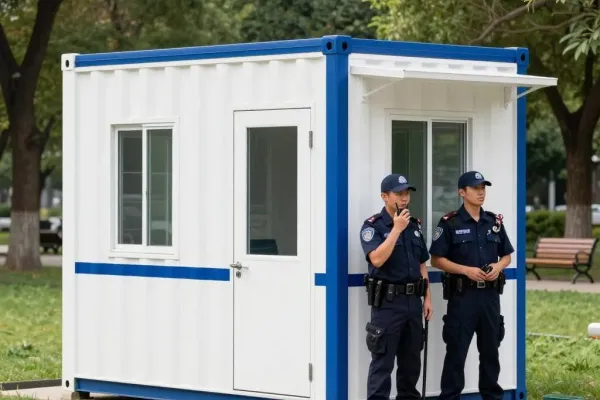


Poor housing decisions often lead to expensive repairs, safety concerns, and buildings that fail far sooner than expected. Many developers and contractors hesitate before choosing a container house because they wonder whether it truly lasts. The reality is encouraging: with proper engineering, a container home can perform for decades.
A well-designed container home typically lasts 25 to 50 years or more. Modern modular container buildings made from engineered steel shipping container structures can match or even exceed traditional construction lifespan when properly protected from rust, climate damage, and structural stress.
container home
What Is a Container House and How Is It Built?
A container house is a modern building created using a steel container structure originally designed to transport cargo globally. These units were engineered for stacking strength and mobility, which makes them ideal for modular construction today.
Unlike early DIY conversions, today’s container homes made by professional manufacturers are engineered from the beginning as buildings. As a China-based factory specializing in modular container housing—including folding, detachable, flat pack, and expandable models—we design solutions specifically for construction contractors, EPC companies, and project developers who need reliable structures at scale.
A modern container home integrates insulation, electrical systems, plumbing, and ventilation to create a complete dwelling suitable for long-term modern living. Rather than temporary shelters, these structures provide comfortable and scalable housing solutions across industries.
What Is the Average Lifespan of a Container Home?
The average lifespan of a professionally manufactured container home generally ranges between 25 to 50 years. With proper care, many projects continue operating beyond this range.
| Structure Type | Expected Life Span |
|---|---|
| Basic converted container | 15–25 years |
| Engineered modular container home | 25–50 years |
| Well-maintained systems | 50+ years |
The lifespan of a container depends on construction quality, environment, and maintenance. When buyers ask how long do shipping container homes survive in real projects, the answer largely comes down to engineering standards.
From our experience supplying large workforce camps and government housing projects, professionally designed modular systems ensure the container home can last comparably to conventional buildings.
Why Were Shipping Containers Designed to Last So Long?
A shipping container was originally engineered to endure extreme maritime conditions. Built from corten steel, these structures resist corrosion and physical stress during global transportation.
Because containers must survive repeated shipping cycles, they are:
Built to withstand heavy stacking loads
Resistant to high winds and harsh handling
Designed for severe temperature swings
Structurally reinforced for long-term use
Most steel shipping containers remain structurally usable for decades. This durability explains why shipping containers last long enough to become reliable building components.
Modern shipping container homes benefit from this strength, making them especially suitable for remote industrial and infrastructure projects.
Container houses
What Factors Affect the Lifespan of a Container Home?
Several variables directly affect the lifespan of any container-based building.
Key Factors Include:
Structural design quality
Protective coatings
Environmental exposure
Maintenance practices
Professional modification
The lifespan of your container home depends on several factors, especially factors such as the quality of fabrication and reinforcement. Improper cutting for windows and doors may weaken structural performance if not engineered correctly.
In factory-built systems, reinforcements maintain structural stability so the building remains structurally sound throughout its service life.
Does Climate and Environment Influence Container Longevity?
Yes. The surrounding climate significantly affects how long a container home will last.
Environmental challenges include:
Coastal saltwater exposure
High humidity and moisture buildup
Extreme heat or cold
Heavy rainfall without proper drainage
Areas with moisture and salt accelerate rust and corrosion, potentially shortening the lifespan if protection measures are ignored.
| Climate Type | Impact on Container |
|---|---|
| Coastal regions | Higher corrosion risk |
| Desert zones | Thermal stress |
| Cold regions | Condensation risks |
| Tropical climates | Moisture accumulation |
Proper drainage, coatings, and ventilation design allow container structures to withstand challenging environments safely.
How Rust and Corrosion Impact Container Homes
The main threat to any container home is rust. Although corten steel slows corrosion, untreated exposure can still cause deterioration over time.
Common causes include:
Standing water on surfaces
Damaged paint layers
Poor maintenance routines
Continuous humidity exposure
Unchecked corrosion may eventually weaken structural elements. Professional manufacturers apply protective coatings to protect the steel and prevent long-term deterioration.
Routine inspections help reduce wear and tear, ensuring buildings remain reliable for years.
How to Make Your Shipping Container Home Last Longer
If you want to make your shipping container home last longer, proactive planning is essential.
Recommended Practices
Apply anti-corrosion coatings regularly
Install proper insulation and ventilation
Prevent water accumulation through drainage design
Schedule periodic inspections
Maintain protective finishes
Proper maintenance dramatically improves longevity and helps structures last as long as possible. Projects that include scheduled upkeep programs consistently outperform expectations.
Are Modular Container Homes Better Than Converted Shipping Containers?
Modern modular prefab container systems offer advantages over repurposed cargo units.
| Feature | Converted Container | Modular Factory Container |
|---|---|---|
| Structural engineering | Limited | Fully engineered |
| Customization | Basic | Extensive |
| Insulation | Added later | Integrated |
| Project scalability | Low | High |
Unlike reused containers, professionally manufactured systems are designed specifically for construction applications. This improves structural integrity, comfort, and long-term reliability.
For example, our factory provides solutions for workforce camps, real estate developments, disaster relief housing, and mining accommodations worldwide.
You can explore solutions such as modular workforce housing, expandable container homes, flat-pack container buildings, detachable units, and government project housing through our project-focused product systems.
Real Project Case Study: Container Housing in Harsh Conditions
An EPC contractor partnered with us to deploy modular housing at a remote mining site exposed to severe weather conditions.
Project Challenges
Remote installation area
Strong winds and dust exposure
Tight construction schedule
Results
Installation completed 60% faster than traditional builds
Units remained structurally stable after years of operation
Maintenance costs reduced significantly
This case highlights how engineered container housing can outperform many traditional builds when properly designed and manufactured.
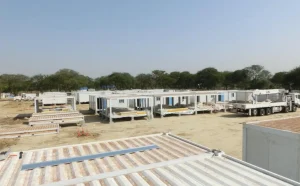
container house
Is Living in a Container Home a Reliable Long-Term Housing Option?
Many clients ask whether living in a container home works as a permanent solution. Today’s answer is yes—when built professionally.
Modern systems include:
Thermal insulation
Controlled ventilation
Comfortable interior living space
Energy-efficient layouts
Because homes are made through standardized factory production, quality remains consistent across large developments. Container housing has evolved into a scalable housing option for municipalities, contractors, NGOs, and industrial operators.
Frequently Asked Questions
How long do shipping container homes last?
Most professionally built container homes last between 25 and 50 years depending on maintenance and environmental conditions.
What determines the lifespan of a container home?
Construction quality, climate exposure, coatings, and maintenance routines are the primary factors.
Do container homes rust easily?
They resist corrosion naturally, but poor maintenance or constant moisture exposure can cause rust over time.
Can container houses survive extreme weather?
Yes. Engineered structures are designed to handle strong winds, heavy loads, and harsh environments.
Are container homes suitable for large construction projects?
Absolutely. Modular container buildings are widely used for workforce housing, government infrastructure, and disaster relief projects.
Do container homes require maintenance?
Yes. Regular maintenance ensures durability and extends the lifespan significantly.
Key Takeaways
A container home typically lasts 25–50 years or more.
Lifespan depends heavily on engineering quality and maintenance.
Rust prevention and coatings are critical for durability.
Modular factory-built systems outperform DIY conversions.
Climate conditions influence longevity significantly.
Container housing provides a scalable solution for global construction projects.
Proper design ensures safe, reliable structures for decades.
If you are planning a container housing project, partnering with an experienced manufacturer makes the difference. As a China-based factory specializing in modular container houses for global B2B clients, we provide customized, project-ready solutions designed for durability, fast deployment, and long-term performance. Reach out anytime to discuss your next project.