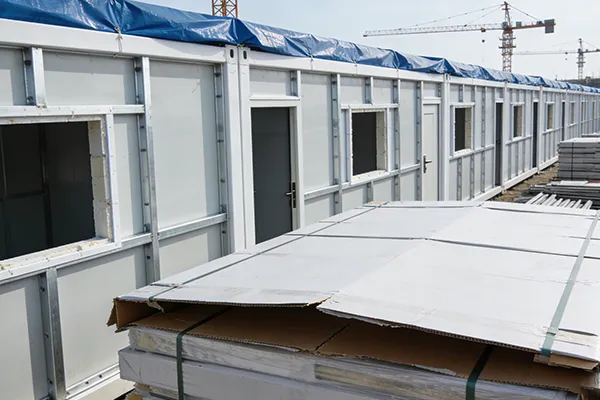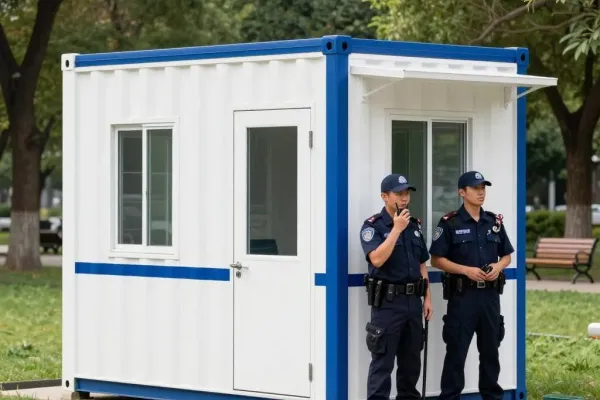


For those considering alternative construction methods, a primary technical question is: what is the lifespan of a container home? Answering this requires a clear understanding of the materials, engineering, and external factors involved. The longevity of any structure is paramount, and confidence in its durability against environmental conditions is a key investment criterion.
A properly engineered and maintained shipping container home can be an exceptionally durable long-term structure. A container-based building is generally estimated to have a lifespan of 25 to 50 years, with the potential to extend further under optimal conditions. This guide provides a technical overview of a container home’s potential lifespan by examining the critical variables that influence it.
The Average Lifespan of a Container Home: A Baseline of 25 to 50+ Years
The accepted industry baseline for a well-constructed container home is a service life of 25 to 50 years. This durability is rooted in the container’s original design, which is engineered to withstand the demanding conditions of global maritime transport.
Baseline Expectation
- Under standard conditions and with regular maintenance, a container house has an estimated lifespan of approximately 25 to 30 years.
- When built to high standards in a favorable climate and with diligent upkeep, this can often extend to 40–50 years or more.
Comparison to Original Shipping Use
An ISO container is typically in active shipping service for 10–12 years and is often retired from marine transport after about 25 years. Once it is repurposed for a static use like housing, it is no longer subjected to the stresses of transport, handling, or corrosive sea spray. This transition to a far less demanding environment is the primary reason its structural life can be significantly extended.
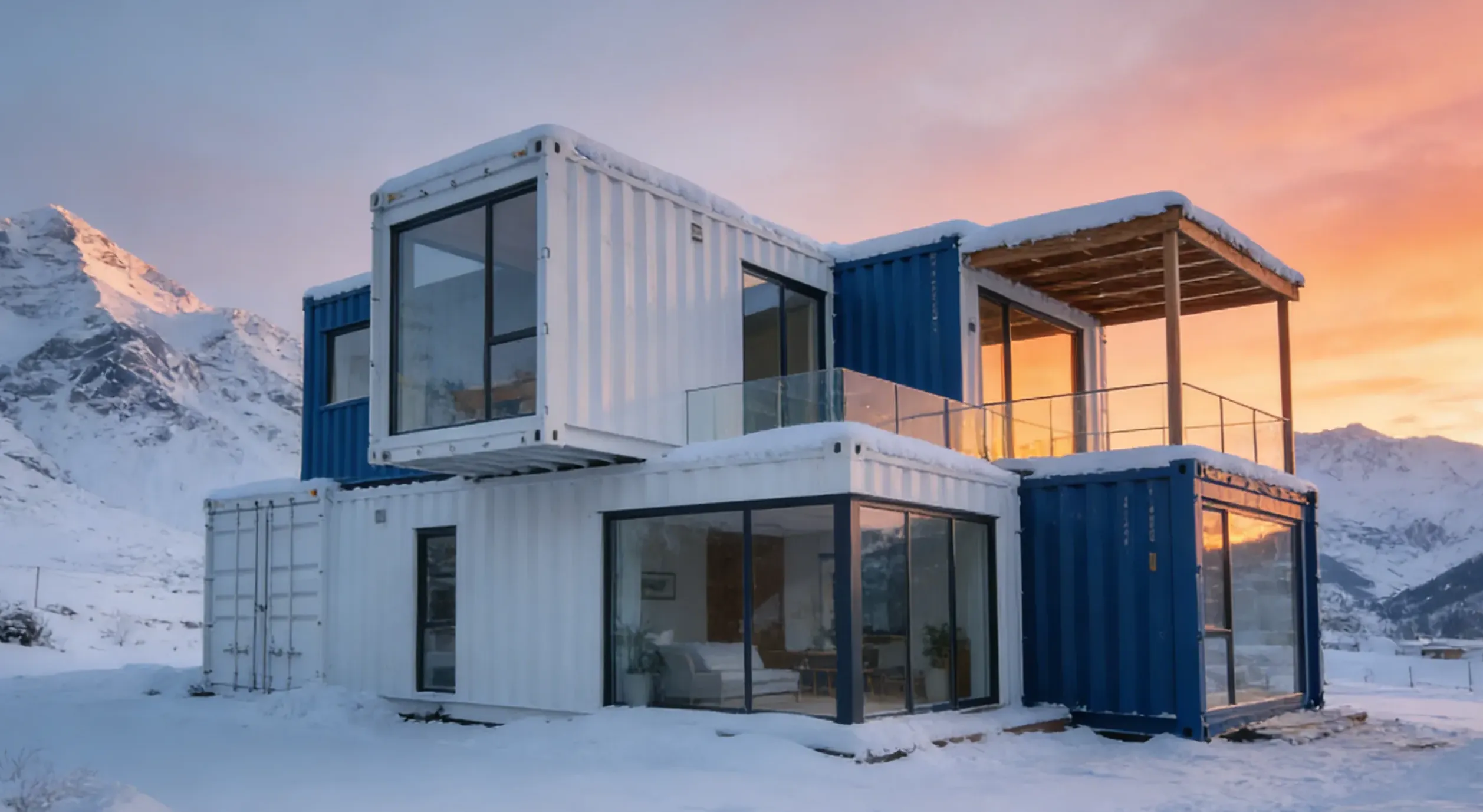
Container Home
Core Factors That Determine a Container Home’s Longevity
The ultimate lifespan of a container-based building is not fixed; it is determined by a combination of four key factors.
1. The Initial Condition of the Container (New vs. Used)
The structural starting point is critical.
- “One-Trip” (New) Containers: These units have made only a single cargo journey and are in near-new condition. They have no significant dents, minimal surface corrosion, and their full structural life ahead, offering the maximum potential for longevity.
- Used Containers: A used shipping container can also be a viable option, but its condition must be thoroughly inspected. Years in service may have resulted in dents, rust, or structural wear that requires professional remediation before construction.
2. Climate and Local Environment
The geographic location has a direct impact on the rate of material degradation.
- Harsh Environments: Coastal regions with high salinity and humidity can accelerate the corrosion of steel. Locations with extreme freeze-thaw cycles or heavy snow loads place additional stress on the structure and its coatings.
- Favorable Environments: Arid or inland climates with low humidity are ideal for extending the lifespan of steel structures, as the risk of rust is significantly lower.
3. Quality of Construction and Modification
A container is a component, not a finished home. How it is modified is crucial.
- Foundation: A proper foundation is non-negotiable. The structure must be elevated off the ground on a concrete slab or pier foundation to prevent constant exposure to ground moisture, which leads to rust from the underside.
- Structural Modifications: A shipping container’s strength comes from its monocoque structure. Cutting openings for windows and doors must be accompanied by welded steel reinforcement to compensate for the loss of structural integrity. Poorly executed modifications can compromise the building’s safety and longevity.
- Insulation and Ventilation: Proper insulation is essential not only for thermal comfort but also for preventing interior condensation. When warm, moist indoor air meets a cold steel wall, water can form, leading to rust from the inside out. A well-designed ventilation system manages this moisture.
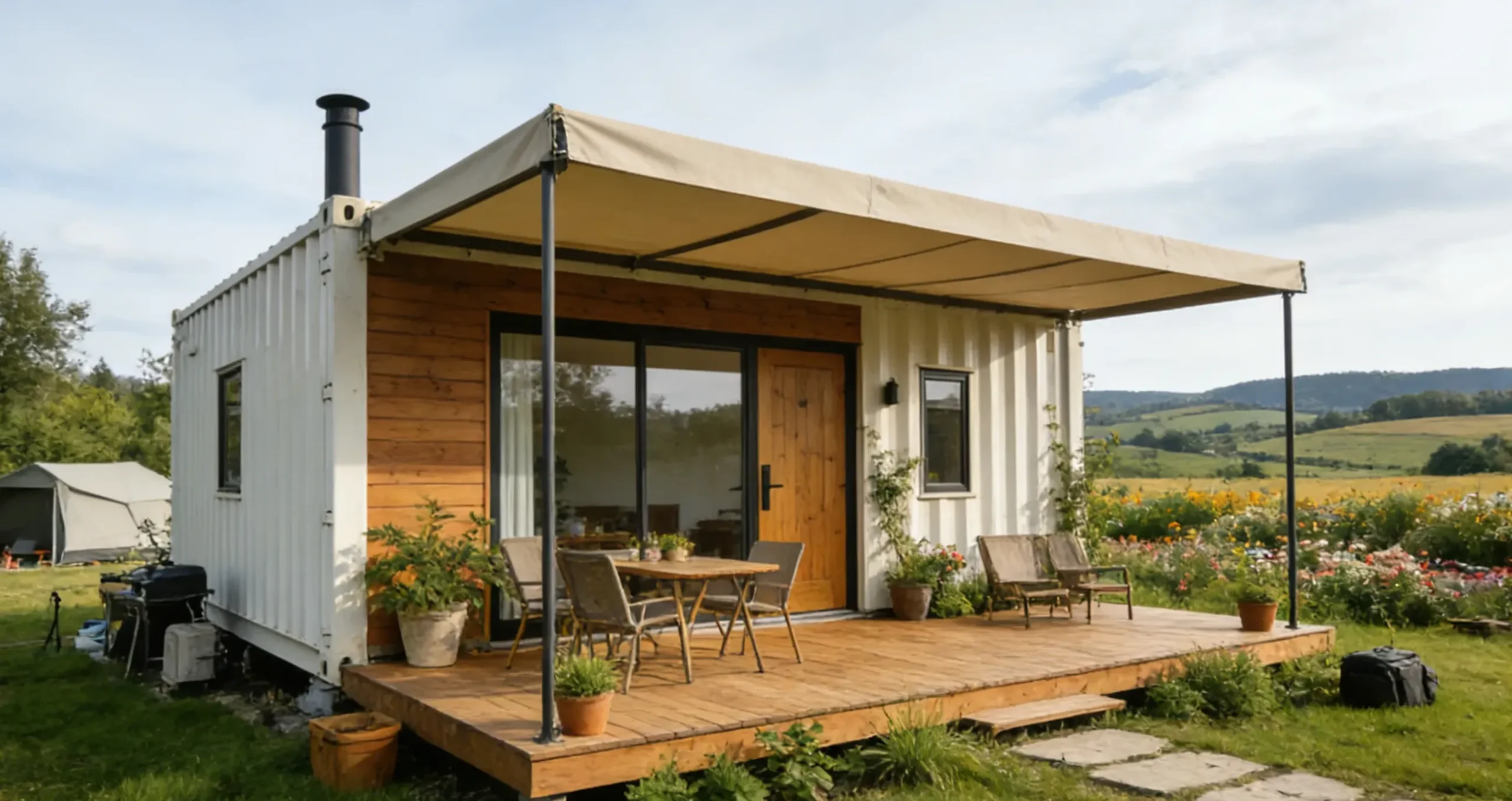
Quality of Construction and Modification
4. Ongoing Maintenance Routine
Like any building, a container home requires upkeep to reach its maximum lifespan.
- Rust Prevention and Treatment: This is the most critical maintenance task. The structure should be protected with high-performance, marine-grade coatings. Periodic inspections should be performed to identify and immediately treat any scratches, chips, or signs of rust to prevent it from spreading.
- Regular Inspections: Annual or biannual checks of roofing, seals around windows and doors, and drainage paths help identify potential issues like water ingress before they become significant problems.
How to Maximize Your Container Home’s Lifespan: A Checklist
Achieving a 50+ year lifespan is contingent on a systematic approach.
Pre-Construction Phase
- ✅ Select a high-quality container, preferably a “one-trip” unit.
- ✅ Design a professional foundation that ensures elevation and proper water drainage.
- ✅ Engage an experienced builder who understands steel engineering and local building codes.
Construction Phase
- ✅ Apply industrial-grade coatings, including rust-inhibiting primers and durable topcoats.
- ✅ Properly reinforce all structural openings with welded steel framing.
- ✅ Install a high-quality roofing system to manage water and protect the container’s original roof.
- ✅ Prioritize high-performance spray foam or rigid panel insulation to eliminate condensation risks.
Post-Construction (Ongoing Maintenance)
- ✅ Conduct regular visual inspections for any signs of coating failure or corrosion.
- ✅ Keep the exterior surfaces clean to prevent corrosive agent buildup.
- ✅ Immediately repair any damage to the protective paint layer.
- ✅ Inspect and maintain all caulking and seals around openings.
| Factor | Lower-End Scenario (10-15 years) | Average Scenario (25-30 years) | Optimal Scenario (50+ years) |
| Container | Older, heavily used container with existing corrosion | Good-condition used container | New “one-trip” container |
| Climate | Humid, coastal with high salinity | Moderate, four-season climate | Dry, inland with low humidity |
| Build Quality | Poor foundation, unreinforced cuts | Adequate foundation, standard reinforcement | Professional foundation, engineered reinforcement |
| Maintenance | Neglected, corrosion is not addressed | Reactive maintenance (repairs as needed) | Proactive annual inspections and upkeep |
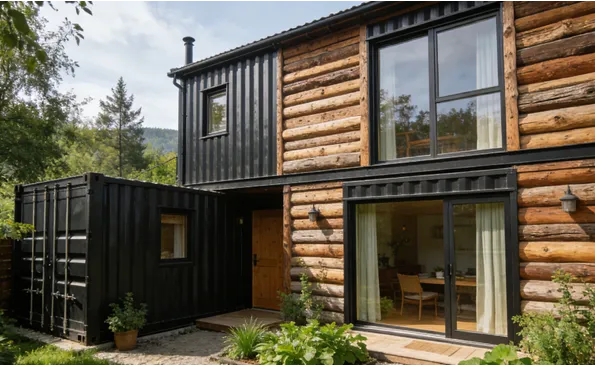
How to Maximize Your Container Home’s Lifespan
What Happens at the End of a Container Home’s Lifespan?
The end of a container home’s service life does not typically mean structural failure. The heavy-gauge steel frame is exceptionally robust. The components that degrade over several decades are the non-structural corrugated steel wall panels. In many cases, the underlying frame can be preserved and reclad with new siding, effectively renewing the building’s envelope for continued use.
Conclusion: A Durable Structure Dependent on Key Conditions
The lifespan of a container home is not fixed but is a direct outcome of material selection, construction quality, environmental conditions, and maintenance diligence. When these factors are professionally managed, a container-based structure can reliably serve as a durable dwelling for 25 to 50 years or more. Its longevity is not automatic; it is engineered. By starting with a sound structure and committing to proper upkeep, a container home can be a resilient and long-lasting housing solution.
Working With Experienced Manufacturers
The analysis above underscores that the durability of a container home is directly tied to the quality of its engineering and fabrication. Choosing a manufacturer with deep experience in modular construction is critical to ensuring that all the factors—from structural reinforcement to the application of protective coatings—are handled to professional standards.
For instance, a specialized manufacturer like Sinomega House has a background in various prefabricated systems, including versatile expandable container house models, efficient flat pack houses, and robust detachable container house units. An established manufacturer operates in a controlled factory environment where quality control over welding, insulation, and finishing can be rigorously managed. This approach directly addresses the key longevity factors discussed, ensuring the final structure is built for durability from the start.